This post may contain affiliate links. Please see my full disclosure for details.
Hi Bold Bakers!
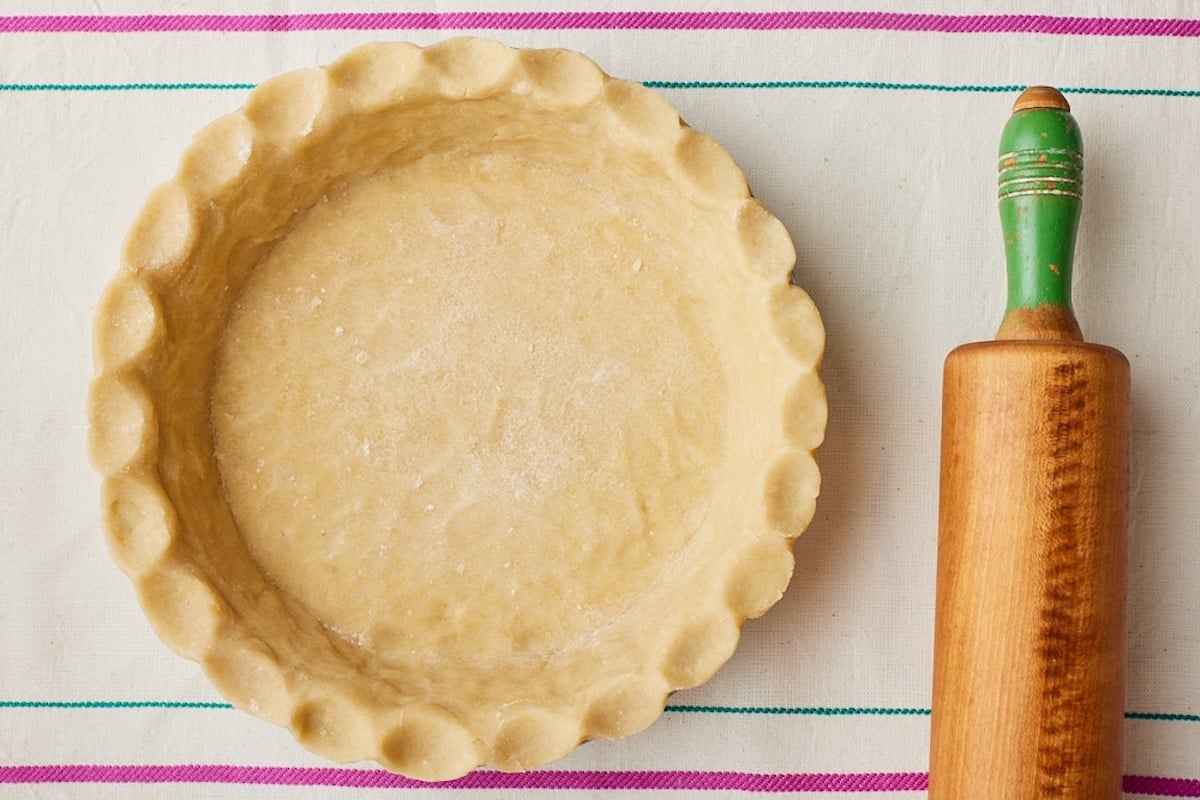
WHY YOU’LL LOVE THIS RECIPE: My breakthrough Food Processor Pie Crust makes a tender, flaky, buttery pastry with a subtle vanilla flavor that elevates your favorite holiday pies! This is the fastest, most foolproof way to make homemade pie crusts—if you’re new to pie crust, this is the recipe for you!
- Wonderfully flaky pastry: The food processor does the work, bringing the ingredients together in just minutes, evenly, and keeping the butter cold (never greasy!) for a tender, flaky crust. This is how pastry chefs make pie crust, and now you’ll know this insider tip, too.
- A secret ingredient: Pure vanilla extract adds warm, sweet flavor that complements your favorite pie fillings and enhances the buttery notes. It also tenderizes the crust.
- No machine? No problem! You can also make this versatile pie dough recipe by hand.
- Yields two crusts! Save time and effort by making two pie crusts. Use them for a double-crust pie, or make a single-crust pie and wrap and freeze the other crust to get ahead of holiday baking!
- Easy bakery-level upgrade: A splash of vanilla adds an extra layer of flavor and enhances your pie crust’s tender texture.
As you know, one of my favorite things about Bigger Bolder Baking is sharing new techniques I’m excited about. While testing this recipe, I discovered that vanilla helps create a more tender, flaky pie crust. The alcohol in pure vanilla extract can help limit gluten development, resulting in a more delicate texture. It also adds a rich, homey flavor that pairs beautifully with sweet fillings and enhances the buttery taste.
My most important tip is to choose a quality vanilla: After years of professional baking, I’ve learned that the quality of your ingredients really matters, especially in a simple pastry where every ingredient has a role to play. I’m proud to partner with Rodelle because Rodelle Pure Madagascar Bourbon Vanilla Extract delivers the rich, consistent vanilla flavor I look for in my baking. In this pie crust, it does more than add flavor: the alcohol in pure vanilla extract helps limit gluten development, contributing to a more tender, delicate pastry. It’s a premium product at a great price, available in stores and online, and it’s the best vanilla for all your baking needs. Handcrafted from the finest vanilla beans grown in Madagascar, it delivers rich, creamy flavor and exceptional vanilla bean taste.
For more recipes featuring Rodelle’s exceptional quality, see my S’Mores Bars Recipe, 100 Hour Brownies Recipe, and Caramel Pecan Pie.
Table of Contents
- What is Food Processor Pie Crust?
- Tools You Need
- Key Ingredients and Substitutes
- How to Make Pie Crust Using the Food Processor
- Gemma’s Pro Chef Tips
- Make-Ahead and Storage Instructions
- Flavor Variations and Substitutes
- FAQs
- More Pie Crust Recipes
What is Food Processor Pie Crust?
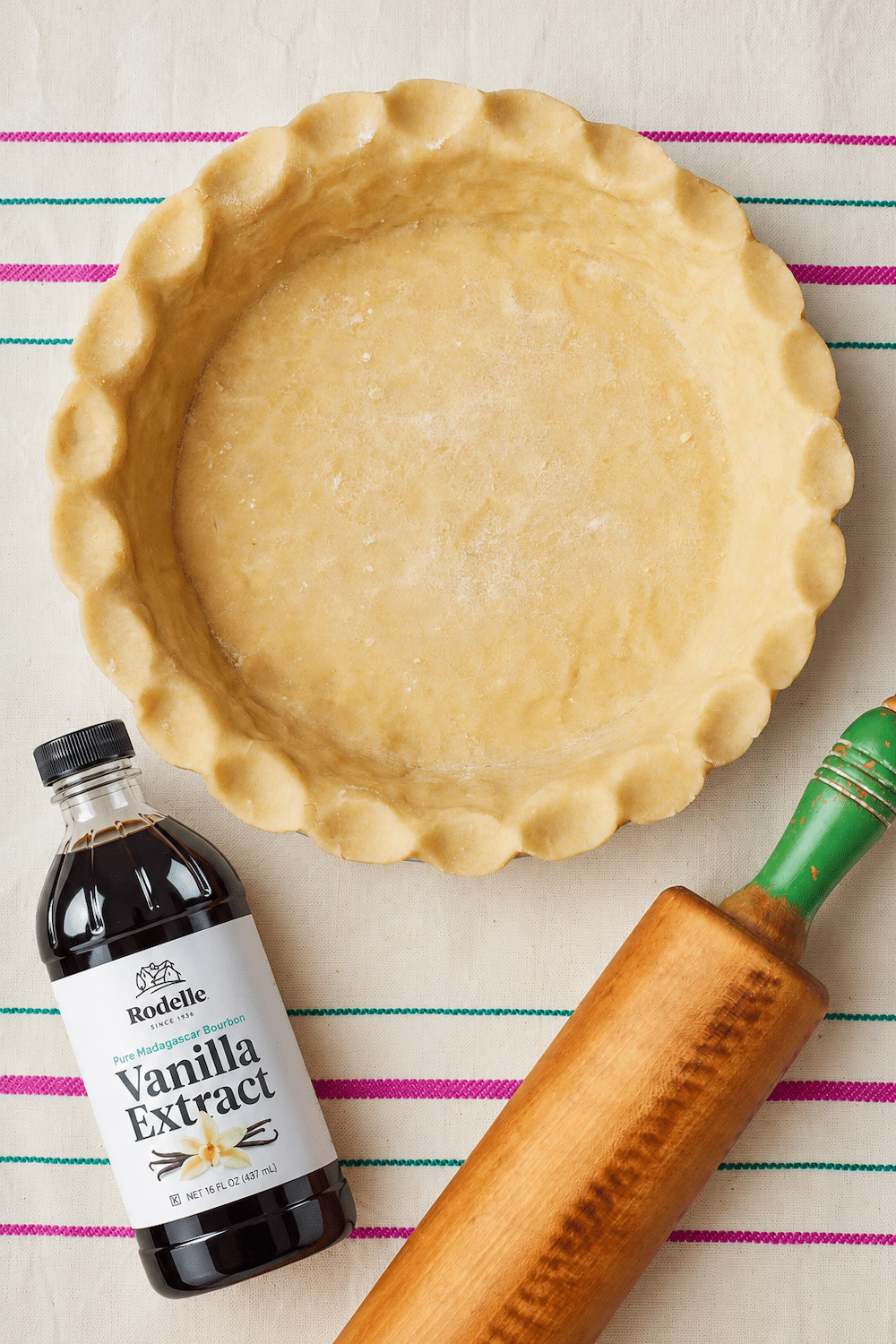
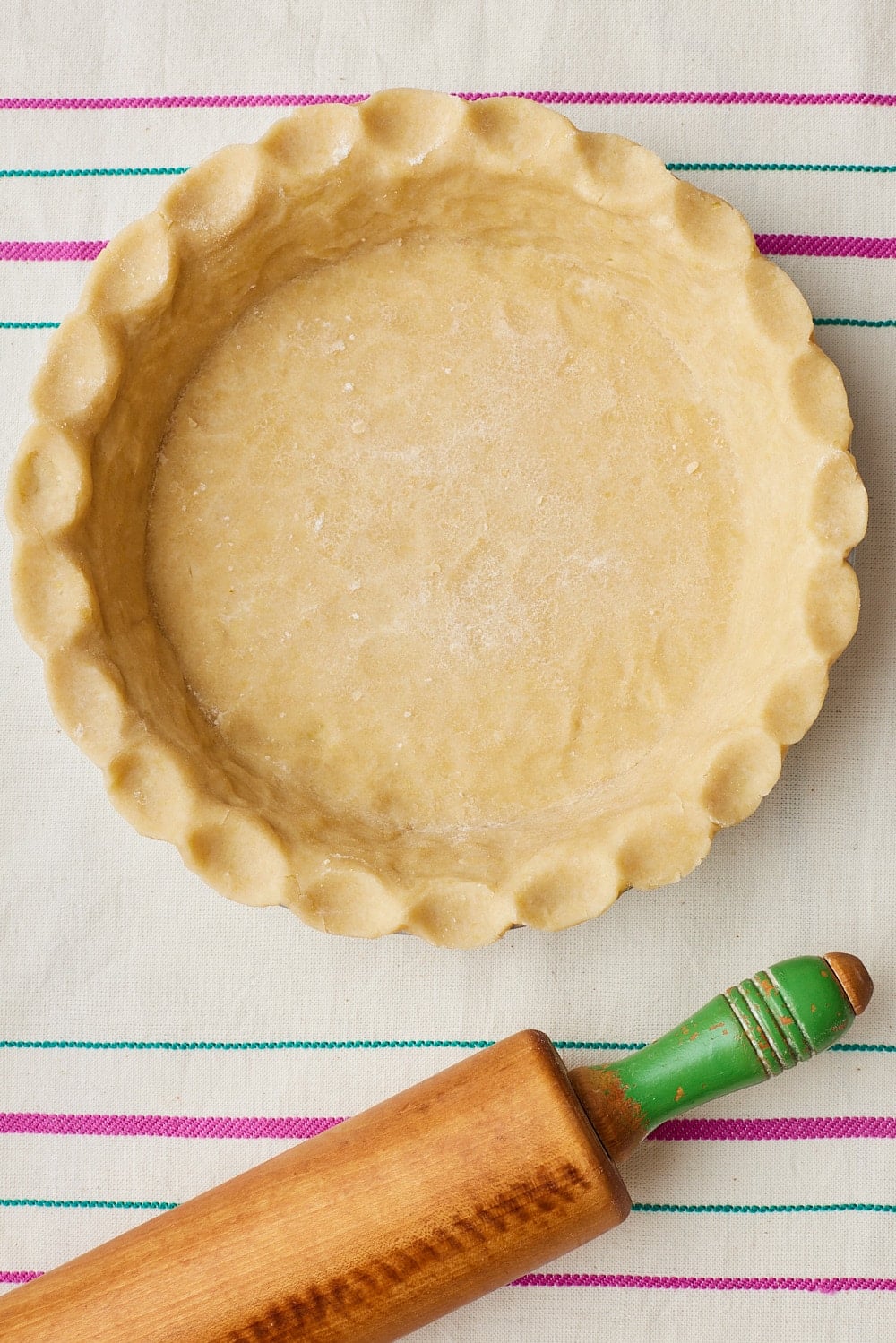
Food Processor Pie Crust is a buttery, flaky pastry made with vanilla Extract, which adds subtle vanilla flavor and extra warmth and richness to homemade pies. This easy recipe uses a food processor to bring the ingredients together quickly, keeping the butter cold to create a tender, flaky texture without overworking the dough. This pastry pairs beautifully with sweet fillings, making this crust a lovely choice for holiday pies and everyday baking.
Tools You Need
- Food processor
- Measuring spoons
- Measuring cups
- Glass measuring jug
- Kitchen scale (optional)
- Whisk
- Rolling pin
- Cling film
Key Ingredients and Substitutes
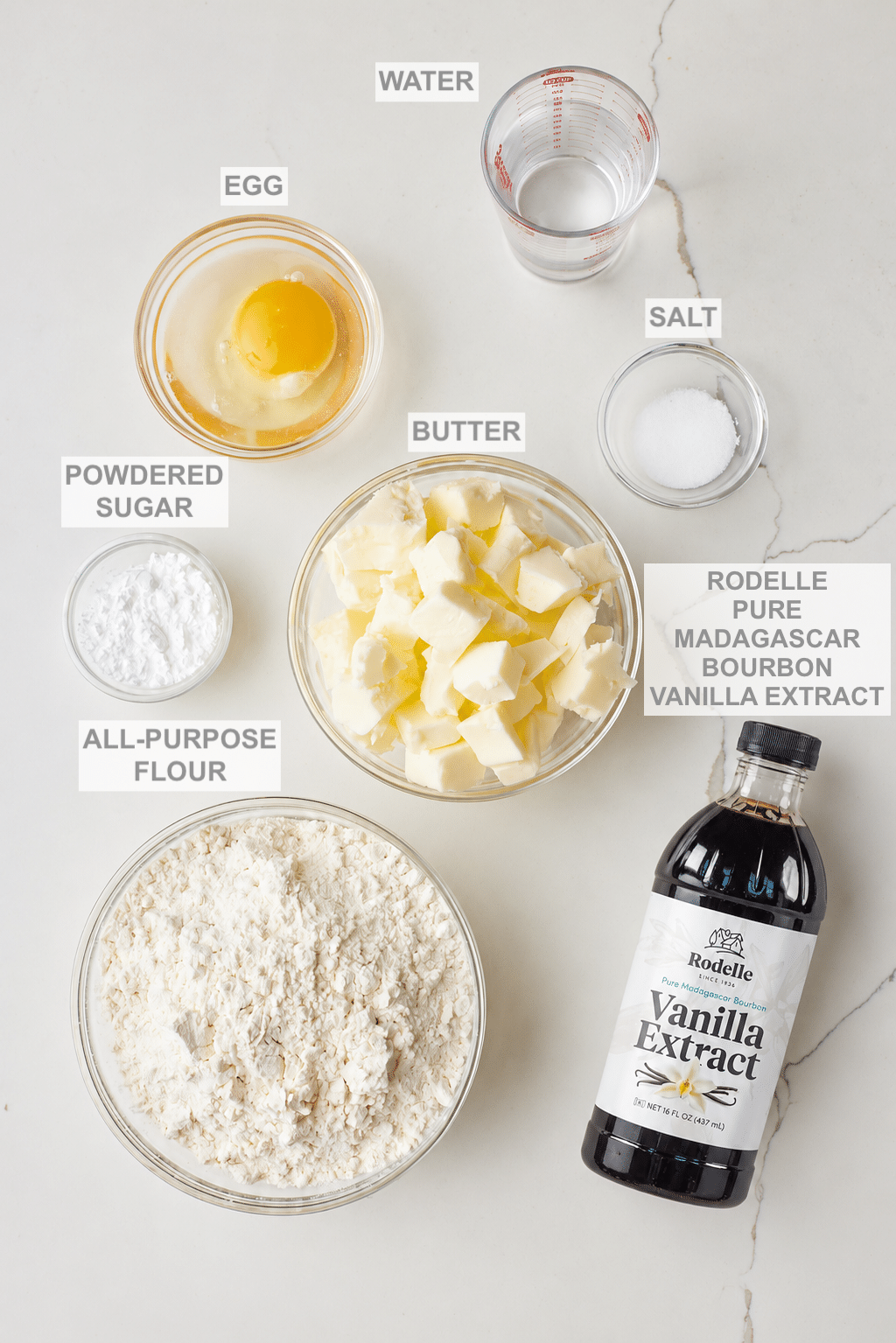
All-purpose flour
- All-purpose flour with a protein content of 9-11% is perfect for forming the right amount of gluten to create structure while keeping a tender texture.
- Substitutes: For a gluten-free crust, use the same amount of a 1:1 gluten-free baking blend like my gluten-free flour.
Powdered sugar
- Powdered sugar sweetens the pie dough and contributes to a tender, smooth crust compared to granulated sugar.
- If you’re out of powdered sugar, make your own with my quick recipe.
- There is no suitable substitute for the powdered sugar in this recipe.
Salt
- Salt enhances the flavors of this buttery pie dough.
- Please don’t omit the salt, as it could make the pastry taste bland.
Butter
- Use frozen, cubed butter—it’s the key to creating flaky pie crust. The food processor blitzes it into small pieces, creating pockets that help form flaky layers.
- As the cold butter melts when it hits the oven, the water in the butter turns to steam, creating little flaky pockets.
- Substitutes: You can replace all or some of the butter with plant-based butter, vegetable shortening, or lard.
Egg
- The egg helps bind the dough and adds richness, tenderness, and a little extra moisture to the pie crust recipe, making the dough easier to handle.
- Use a cold egg—this is crucial for keeping the butter solid, which creates a flaky crust.
- Substitute: For an egg-free crust, use ¼ cup (60 g) sour cream instead. Sour cream doesn’t bind ingredients as effectively as eggs, but it adds moisture, richness, and tenderness to pie dough.
Cold water
- Using cold water or ice water keeps the butter cold and solid, which is essential for a flaky crust.
- Additionally, the water hydrates the flour.
- Using cold water also makes the dough less sticky and easier to handle.
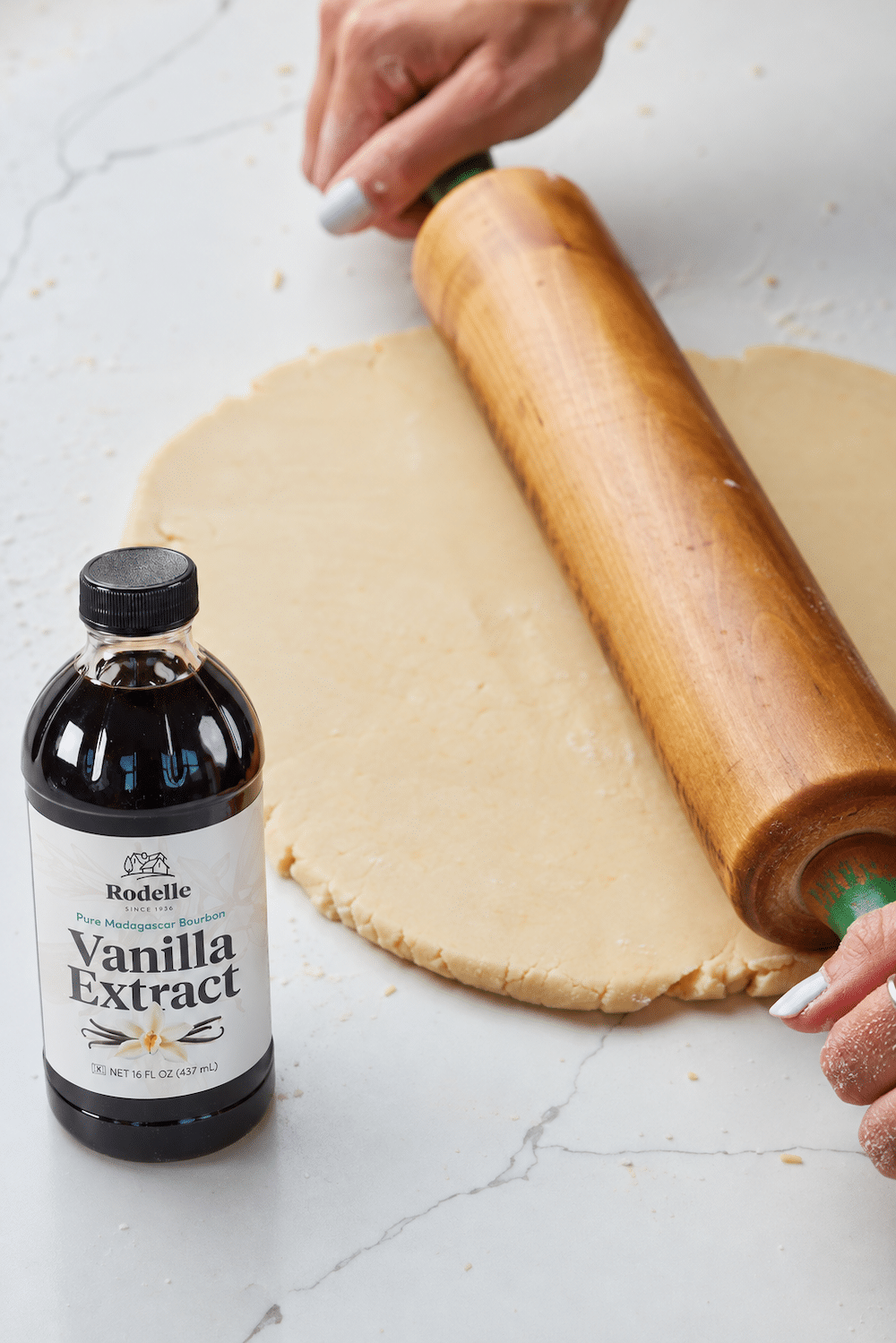
Rodelle Pure Madagascar Bourbon Vanilla Extract
- Rodelle Pure Madagascar Bourbon Vanilla Extract adds warm, subtly sweet vanilla notes to the pastry and enhances the buttery notes.
- Hand-crafted from the finest vanilla beans grown in Madagascar, this premium vanilla extract delivers rich, creamy flavor and exceptional vanilla bean quality.
- Rodelle Pure Madagascar Bourbon Vanilla Extract is extracted for a well-rounded flavor that tastes consistently great from batch to batch.
- Rodelle Pure Madagascar Bourbon Vanilla Extract is naturally gluten free and is kosher certified.
- The alcohol in the pure vanilla extract helps keep it tender and flaky by limiting gluten development.
How to Make Pie Crust Using the Food Processor
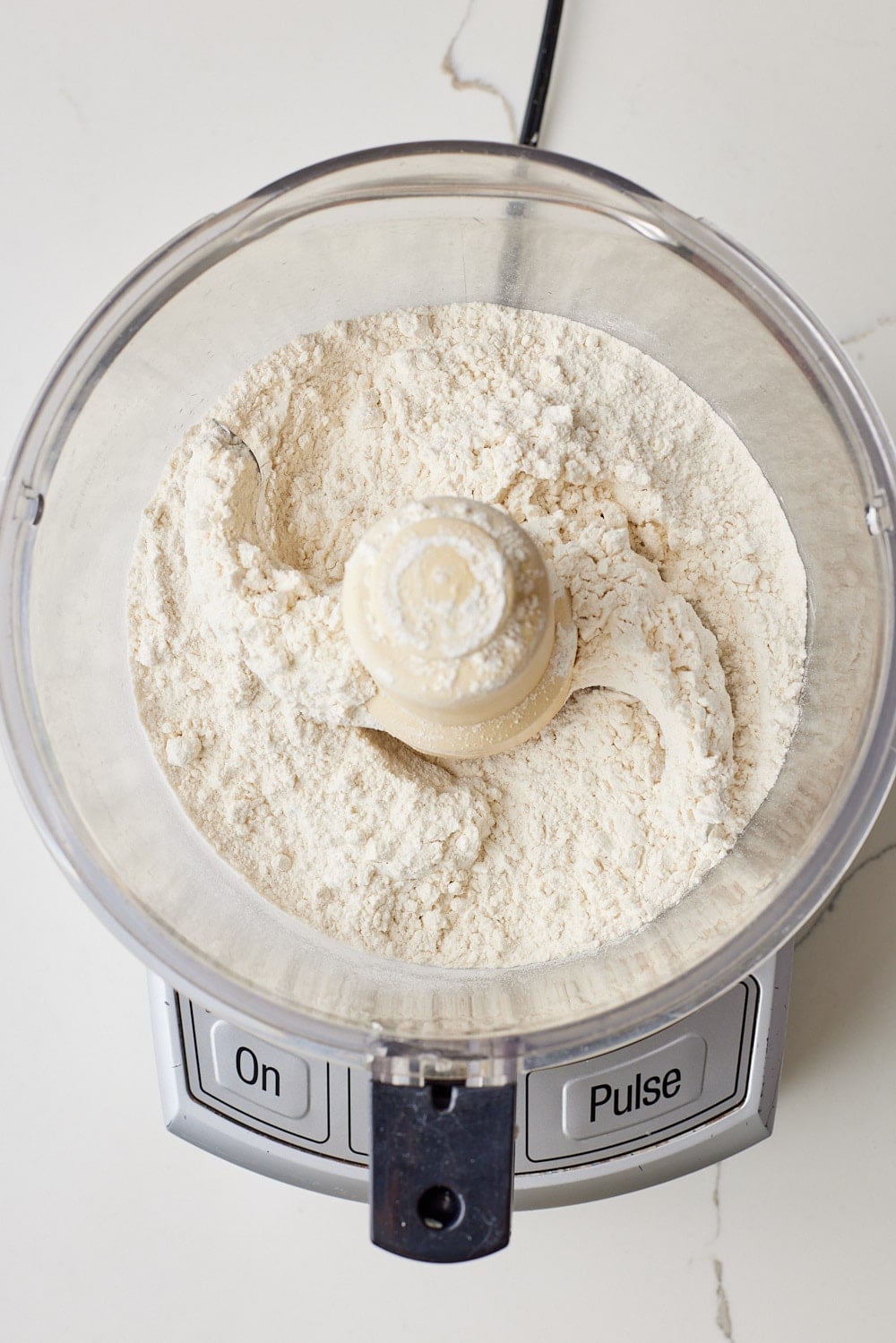
- Pulse dry ingredients. In the bowl of a food processor, pulse the flour, sugar, and salt until combined.
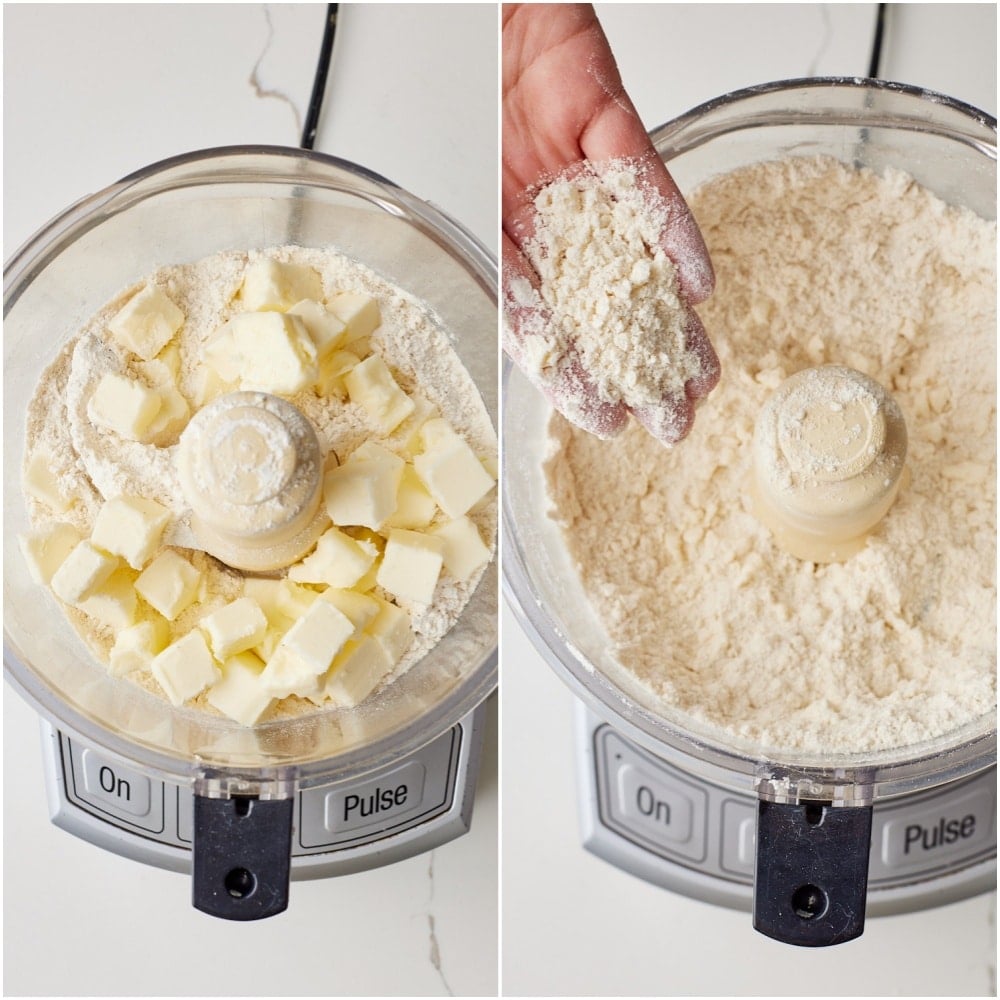
- Add butter. Add the frozen, cubed butter and pulse 6-7 times until the mixture resembles coarse breadcrumbs.
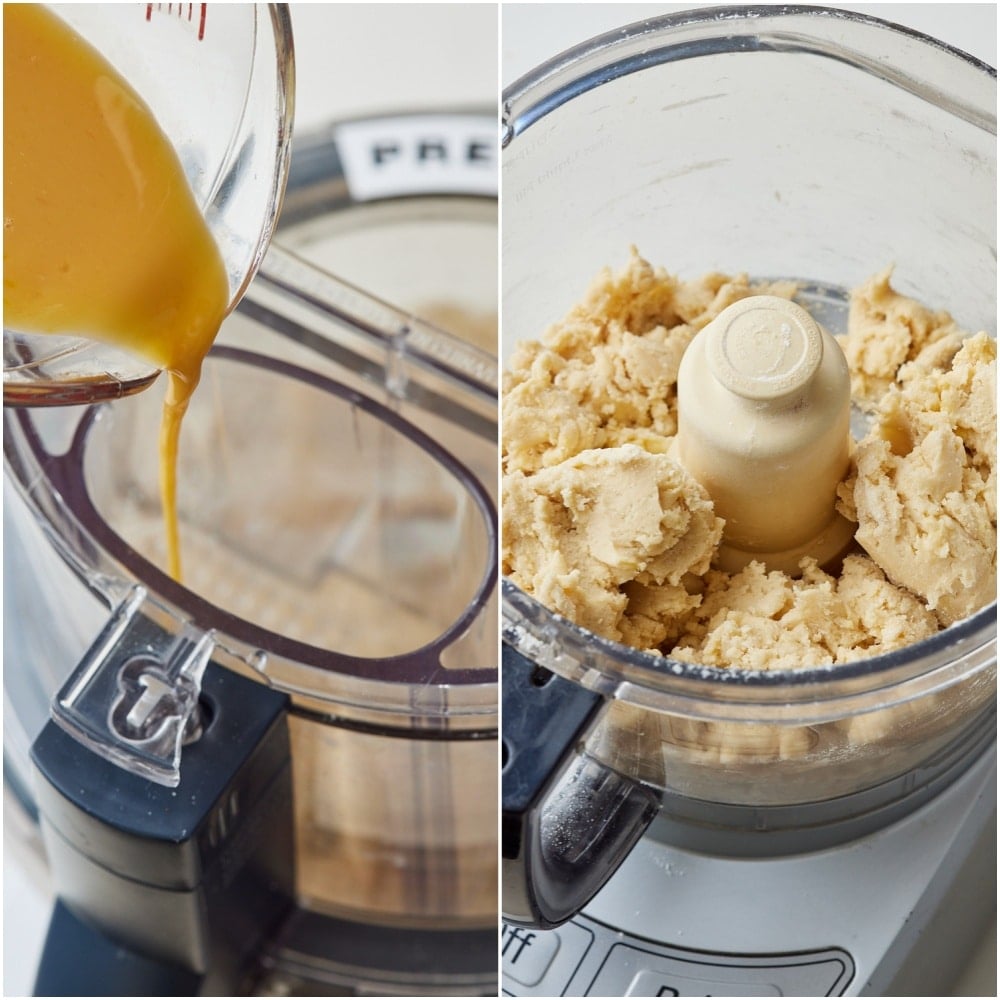
- Whisk and add wet ingredients. In a small jug, whisk together the egg, water, and Rodelle Pure Vanilla Extract. Pour the mixture into the food processor while running, JUST until the dough begins to clump together, then stop.
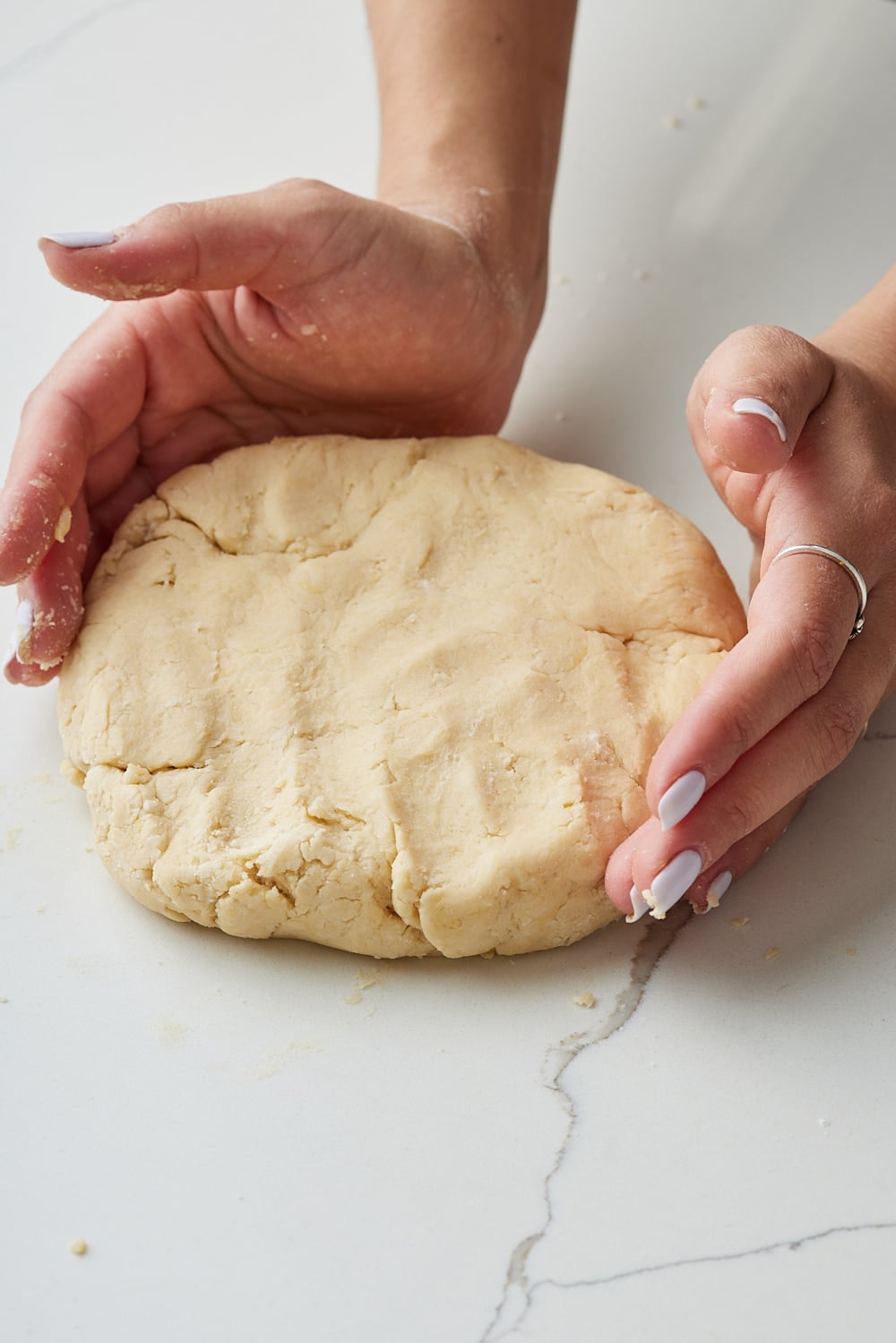
- Bring dough together. Turn the crumbly dough out onto a clean work surface and press together to form a ball.
- Wrap the dough. The recipe yields two crusts, so wrap the dough balls (or shape into disks) in cling wrap, or divide it into two even pieces and wrap separately depending on your needs.
- Chill the dough. Refrigerate the dough for at least 1 hour, or up to 2 days before using.
FULL (PRINTABLE) RECIPE BELOW!
Gemma’s Pro Chef Tips
- Use cold ingredients. Use frozen cubed butter, ice-cold water, and a cold egg.
- If you’re making pie crust in a warm kitchen, consider chilling the flour as well.
- Combine dry ingredients first. This ensures salt and sugar are evenly distributed throughout the dough.
- Pulse the dough in short bursts. Running the food processor continuously will overwork the dough. Stop pulsing as soon as the dough begins clumping.
- Work quickly when forming the dough. Warm hands are the enemy of good pastry—the second the fat starts to melt, know that it can make your crust tough.
- Be sparing with the water. Too much water can toughen the crust, so use as little as possible.
- Note that dough releases water as it rests, and the flour hydrates. If the dough seems too dry to come together, add water 1 teaspoon at a time.
- Chill dough for at least an hour. Chilling firms the butter, relaxes the gluten, and hydrates the flour so the crust rolls more easily and cracks less.
- Convenient two-crust recipe: This recipe yields two pie crusts. Wrap the dough as one ball in cling wrap, or divide it into two equal portions and wrap separately, depending on your needs. For more expert tips, please see my guides on How to Blind Bake a Pie Crust and Pastry Q & A.
Make-Ahead and Storage Instructions
Make-ahead tips
- You can make the pastry ahead, wrap it well, and refrigerate it for up to two days or freeze it for up to eight weeks.
- Thaw frozen crust in the fridge overnight before using.
How to store
- When freezing pastry, it’s super-important to wrap the pie crust well, store it in a freezer bag or freezer-safe container, and label it with the date.
- Freeze for up to eight weeks and defrost in the refrigerator overnight before using.
Flavor Variations and Substitutions
- Add a tablespoon of vinegar or vodka to the ice water to help keep the dough tender and easier to roll out.
- Use half butter and half shortening for an even flakier, more stable crust.
- Add 1 teaspoon of finely-grated orange zest to the flour mixture for a citrus note that complements the vanilla. This is a great holiday touch for fruit or chocolate pies.
- Make a whole wheat version by substituting up to half the flour with whole wheat flour.
- Make more pastry! This recipe makes two pie crusts. For bulk pastry, weigh out additional ingredients before you start, and make a few batches of this recipe. You’ll have a freezer full of pie crust, and you only need to clean the food processor once.
FAQs
How many pie crusts does this recipe make?
- This recipe makes enough dough for two pie crusts.
- Divide the dough into two equal portions before wrapping, so you can use them for a double-crust pie or save one portion for another recipe.
How do I know when I’ve added enough liquid?
- You have added enough liquid when the dough just begins to clump, and you can no longer see dry bits of flour.
- It may still look crumbly rather than forming a smooth ball, and that’s okay! When you press a little dough between your fingers, it should hold together.
- Avoid processing it longer than necessary, as overworking the dough can make the crust tough.
Why shouldn’t I add too much water?
- Adding more water than necessary encourages gluten development, which can make the crust tough instead of tender and flaky.
- Add the egg, cold water, and vanilla mixture just until the dough begins to come together. If the dough looks crumbly but holds together when pressed, you likely have enough liquid.
How can I make sure my pie crust turns out flaky and not tough?
- To make the best pie crust, handle the dough as little as possible, use cold ingredients, and stop mixing as soon as the dough begins to clump together.
- Too much mixing or excess liquid can encourage gluten development, resulting in a tougher crust.
Can I make this without a food processor?
- Yes, you can make this crust using a pastry blender or your fingers.
- Combine the flour, powdered sugar, and salt in a large bowl, then cut or rub in the frozen butter until the mixture resembles coarse breadcrumbs.
- Whisk together the egg, cold water, and vanilla, then gradually add the liquid to the flour mixture, stirring gently until the dough begins to come together. Working quickly, form it into a ball.
Can I make this pastry ahead?
- Absolutely! Wrap the dough tightly in plastic wrap and refrigerate it for up to two days before using. You can also freeze the dough for up to two months.
- Thaw frozen dough overnight in the refrigerator before rolling.
Can I freeze Vanilla Pie Crust instead of refrigerating it?
- Yes! Wrap the dough tightly in plastic wrap and freeze it for up to 2 months.
- If you’ve divided the dough into two portions, you can freeze them separately and thaw only what you need.
- Defrost overnight in the refrigerator before rolling out.
Can I use this Vanilla Pie Crust for savory pies?
- This recipe contains powdered sugar and vanilla, which add subtle sweetness and a distinctive flavor.
- It’s best suited to sweet pies and tarts.
- For savory pies, I’d recommend using a traditional pie crust without vanilla, like my Savory Pie Crust.
More Pie Crust Recipes
Try These Recipes!


Watch The Recipe Video!
Food Processor Pie Crust Recipe

Ingredients
- 2 cups plus 2 tablespoons (10 ¾ oz/300 g) all-purpose flour
- 1 tablespoon powdered sugar
- ¼ teaspoon salt
- 1 cup (8 oz/225 g) butter , frozen and cubed
- 1 large whole egg , cold
- 2 tablespoons water , cold
- 2 teaspoons Rodelle Pure Madagascar Bourbon Vanilla Extract
Instructions
- In the bowl of a food processor, pulse the flour, sugar and salt until combined.
- Add the frozen, cubed butter and pulse 6 -7 times until the mixture resembles coarse breadcrumbs.
- In a small jug, whisk together the egg, water and Rodelle Pure Vanilla Extract. Pour the mixture into the food processor while running, JUST until the dough begins to clump together, then stop.
- Turn the crumbly dough out onto a clean surface and press together to form a ball.
- The recipe yields two crusts so wrap the dough ball in cling wrap, or divide it into two even pieces and wrap separately depending on your needs.
- Refrigerate the dough for at least 1 hour, or up to 2 days before using. Pie crusts also freeze really well for up to 8 weeks.
Recipe Notes
- Use cold ingredients. Use frozen cubed butter, ice-cold water, and a cold egg.
- If you're making pie crust in a warm kitchen, consider chilling the flour as well.
- Combine dry ingredients first. This ensures salt and sugar are evenly distributed throughout the dough.
- Pulse the dough in short bursts. Running the food processor continuously will overwork the dough. Stop pulsing as soon as the dough begins clumping.
- Work quickly when forming the dough. Warm hands are the enemy of good pastry—the second the fat starts to melt, know that it can make your crust tough.
- Be sparing with the water. Too much water can toughen the crust, so use as little as possible.
- Note that dough releases water as it rests, and the flour hydrates. If the dough seems too dry to come together, add water 1 teaspoon at a time.
- Chill dough for at least an hour. Chilling firms the butter, relaxes the gluten, and hydrates the flour so the crust rolls more easily and cracks less.
- Convenient two-crust recipe: This recipe yields two pie crusts. Wrap the dough as one ball in cling wrap, or divide it into two equal portions and wrap separately, depending on your needs. For more expert tips, please see my guides on How to Blind Bake a Pie Crust and Pastry Q & A.