This post may contain affiliate links. Please see my full disclosure for details.
Hi Bold Bakers!
WHY YOU’LL LOVE THIS RECIPE: When you learn How to Brown Butter, you’ll unlock the delicious shortcut to adding deep, restaurant-level flavor to everything from cookies to savory sauces! This simple stovetop technique transforms butter into a nutty, toasty secret ingredient you’ll use throughout the holiday season.
- One ingredient: All you need is butter! You’ll be surprised how such a nuanced flavor comes from this single ingredient.
- Concentrated toasty depth: Browning the milk solids creates a delectably nutty taste with butterscotch-like notes.
- So fast: Ordinary butter turns into something extra-special in under 10 minutes.
- Easy to make ahead: Make a small batch or a bigger one to divide into portions and store so you always have Brown Butter ready to use.
- So many uses: Browned butter is an easy, effective way to elevate everything from cakes and cookies to pancakes, potato dishes, and pasta and other savory dishes!
One of my goals for Bigger Bolder Baking is sharing kitchen magic. Learning How to Brown Butter is a foundational kitchen technique worth having in your back pocket—it’s easy, takes just a few minutes, and is so satisfying. Brown Butter takes just one everyday ingredient and transforms it into a deep, rich flavor, making any familiar recipe extra special.
My top tip for this recipe is to watch the butter carefully. It can go from perfectly golden to burnt surprisingly fast. When the milk solids at the bottom of the pan turn golden brown and smell nutty, immediately pour the butter into a heatproof bowl so that it stops cooking. You’ll love browned butter in so many recipes, including Browned Butter Oatmeal Cookies, Skillet Gingerbread Cake with Browned Butter Frosting, and Browned Butter Chocolate Chip Cookies.
Table of Contents
- What is Browned Butter?
- Tools You Need
- Key Ingredient
- How to Make Browned Butter
- Gemma’s Pro Chef Tips
- Make-Ahead and Storage Instructions
- Flavor Variations and Ways to Use Brown Butter
- FAQs
- More Easy Bold Basics Recipes
What is Brown Butter?
Brown Butter is regular butter that’s been gently cooked until its water evaporates and the milk solids separate and turn golden brown. While the milk solids toast, they develop a rich, nutty flavor with notes of caramel and butterscotch. This simple process transforms everyday butter into a concentrated flavor booster that can be used in both sweet and savory recipes. Brown butter is a classic French technique, and because of the toasty color, it’s known in France as beurre noisette (hazelnut butter).
Tools You Need
Key Ingredient
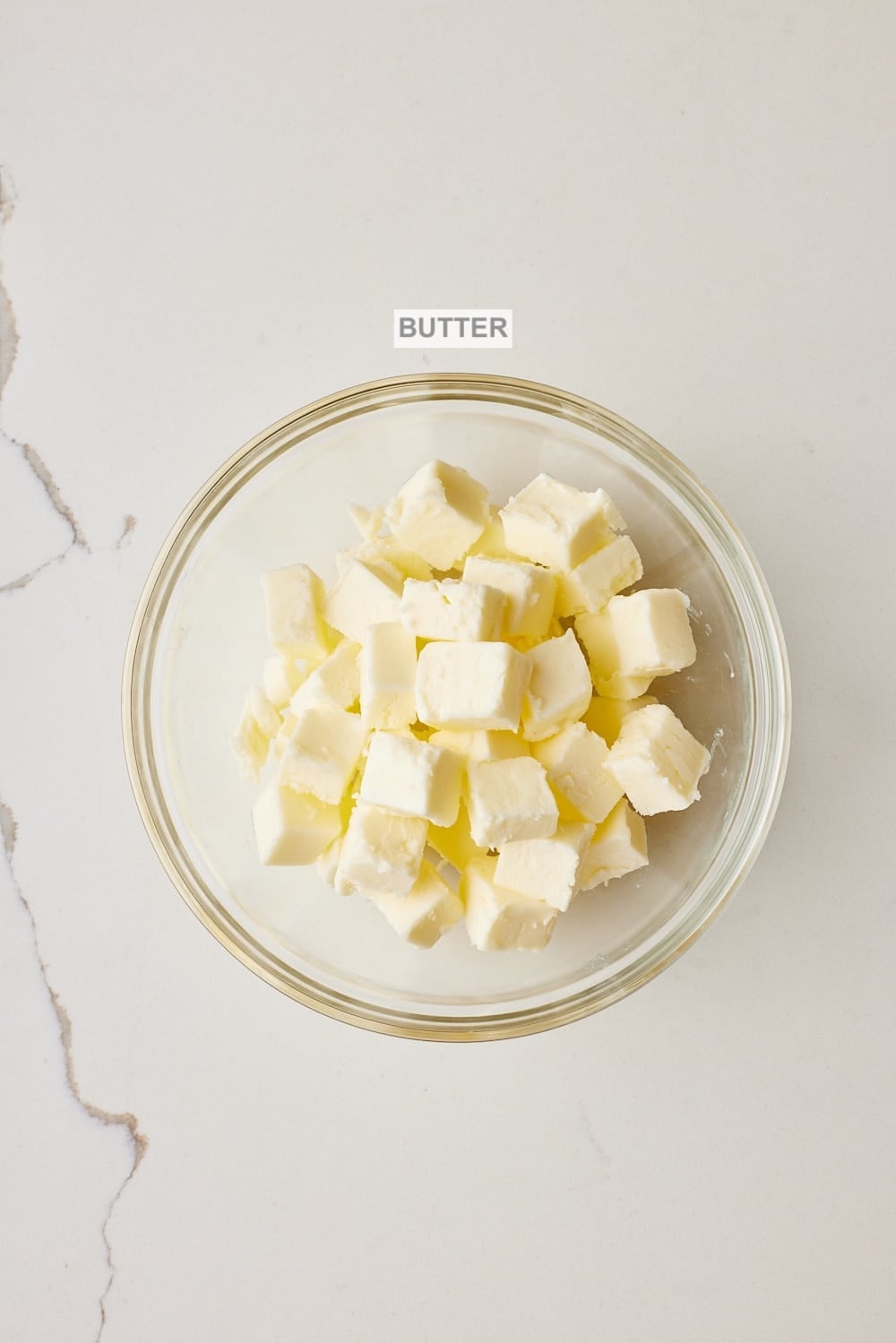
Butter
- Butter is made from cream and contains mostly milk fat, water, and a small amount of milk solids.
- The milk solids are the key to making Brown Butter:
- When butter is heated, the water evaporates. The milk solids separate from the fat, and settle on the bottom of the pan.
- As the milk solids continue to cook, their proteins and sugars brown through the Maillard reaction, creating the rich, nutty, toasted flavor.
- In this recipe for browned butter, you can use salted or unsalted butter.
- Make your own butter with my recipe.
- For classic Brown Butter, use regular dairy butter rather than plant-based butter.
- Plant-based butters don’t contain the same milk solids, so they generally won’t develop the characteristic golden-brown bits and nutty flavor of traditional brown butter.
How to Make Browned Butter
To Make Brown Butter
- Prepare to cook. Place a small heatproof bowl near the stove.
- Heat the butter. Warm the butter in a wide, shallow, light-colored skillet over medium-low heat until melted, about 2 minutes.
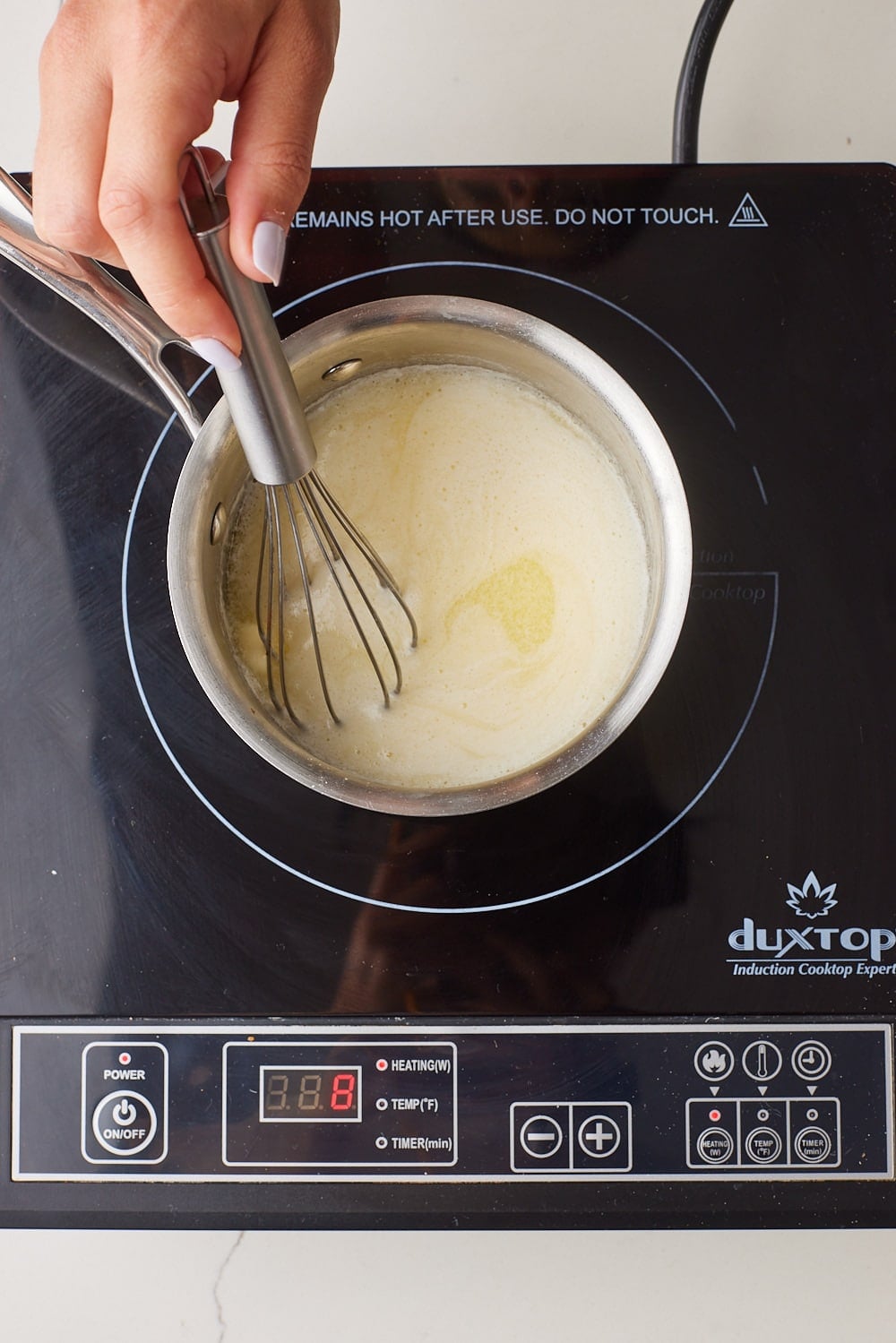
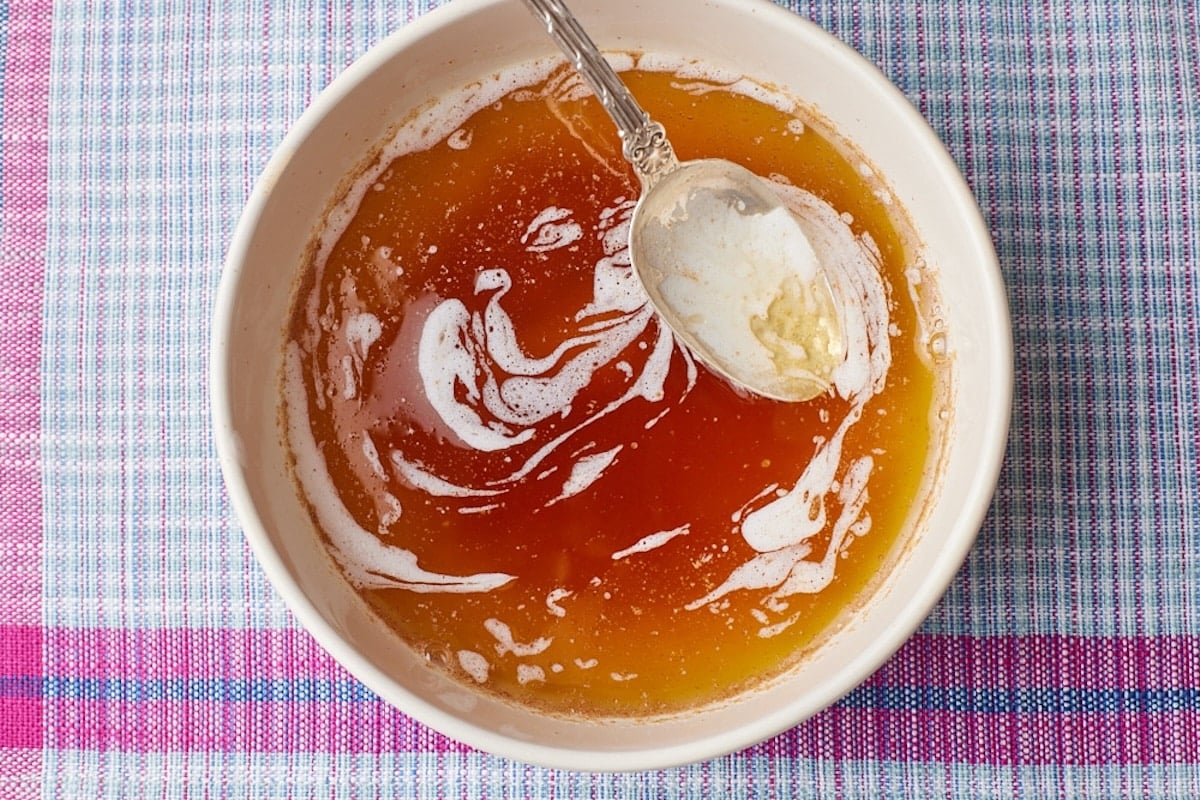
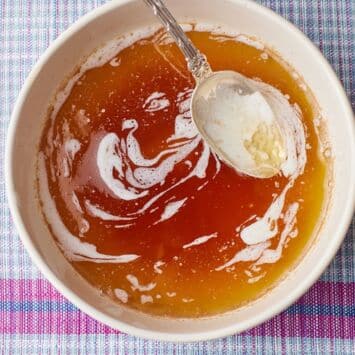
- Gently simmer until butter browns. Simmer gently, while whisking constantly, until the butter turns a medium brown color and smells nutty, about 5 minutes. (Do not let the butter smoke, or the fat solids to turn black).
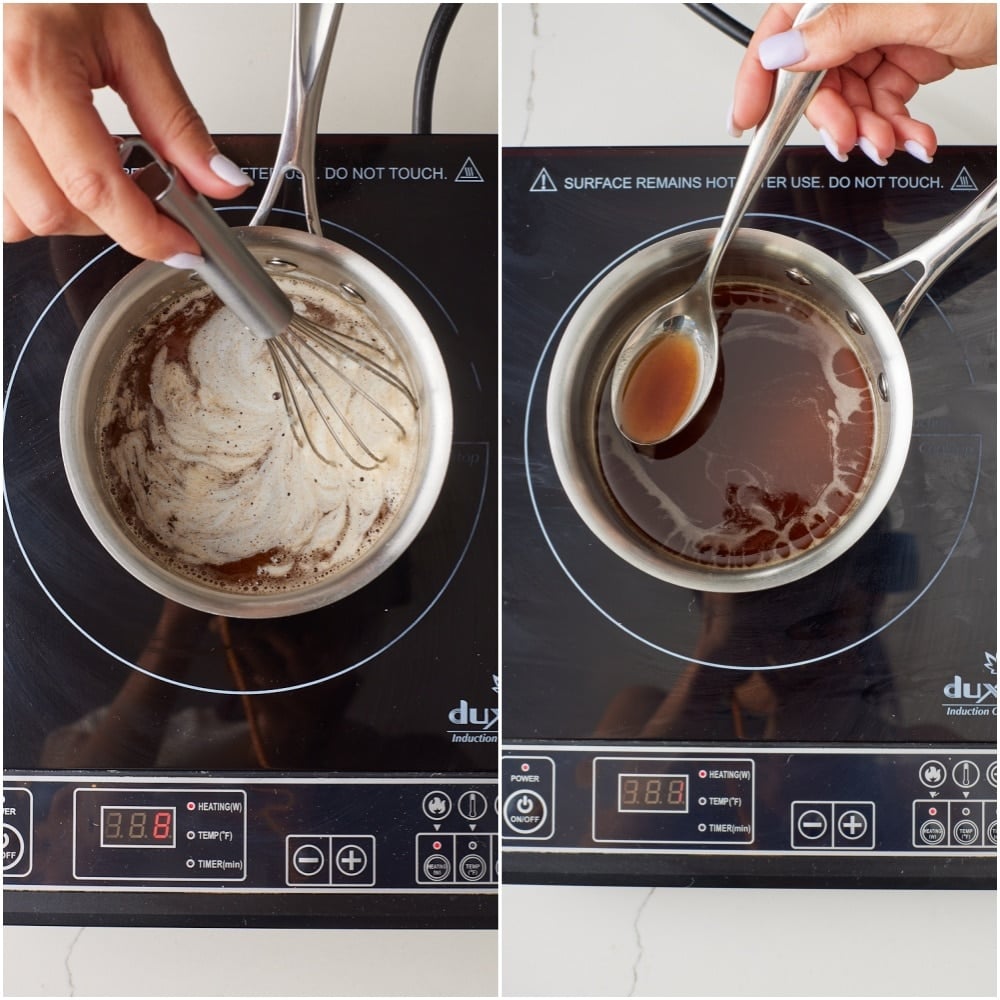
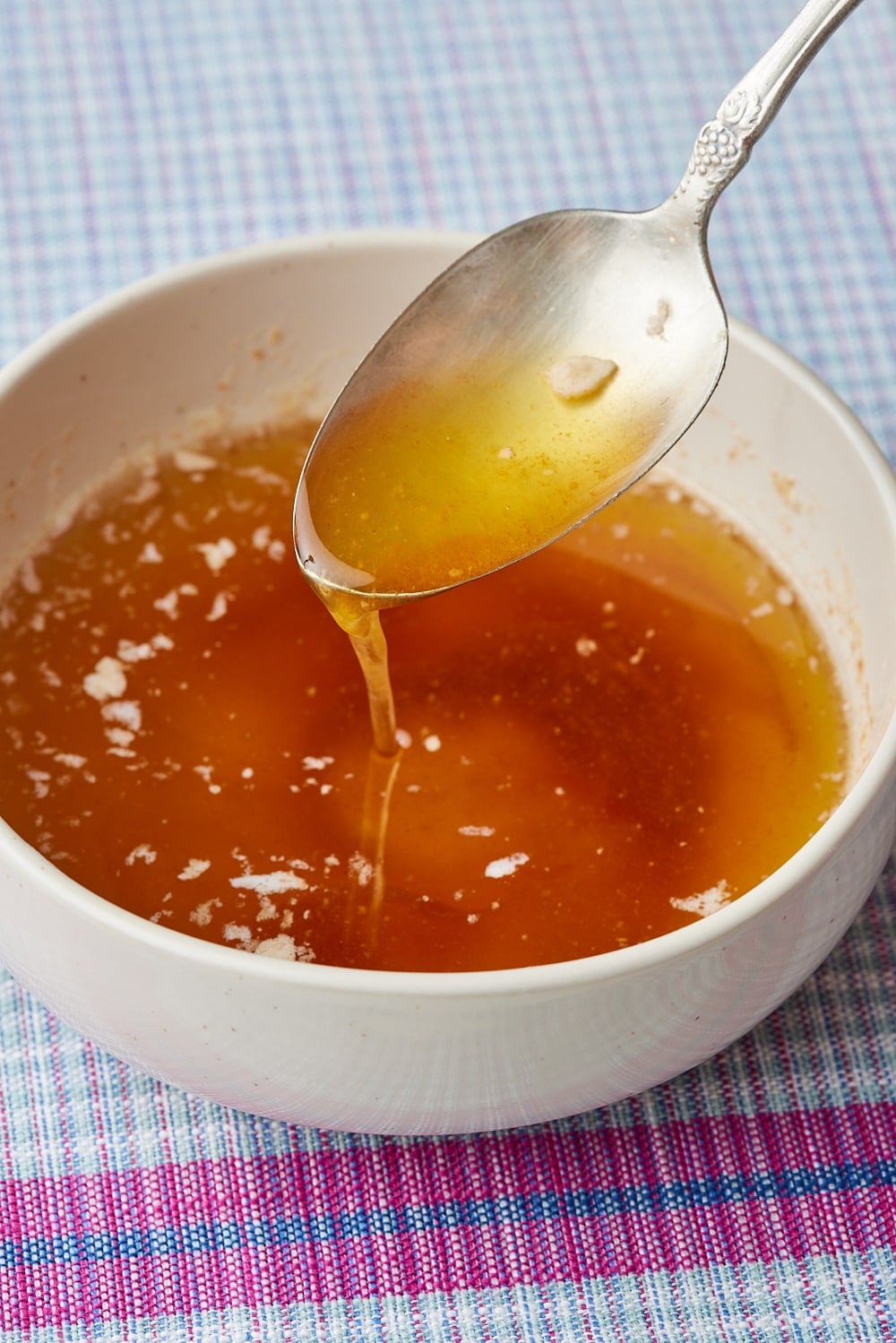
- Transfer butter to bowl. Immediately transfer the browned butter to the bowl to stop the cooking.
To Use Brown Butter
- Use brown butter according to the directions in your recipe.
Gemma’s Pro Chef Tips
- I recommend using a heavy-bottomed saucepan. This will give you more even, controlled browning. You can also use a wide, shallow, heavy-bottomed skillet, but note that the shallower the pan, the faster the butter will brown, so watch carefully.
- Use a light-colored pan. This makes it much easier to see the butter browning. I use a stainless steel pan.
- Watch carefully as the butter is browning. If you’re wondering how long to brown butter, note that during the cooking process, the milk solids can go from toasted to burned very quickly. Take the pan off the heat as soon as it’s browned and smells nutty.
- Follow your nose. The best indicator of properly browned butter is the smell—it will smell warm and nutty when it’s done.
- Don’t strain out the browned bits in the butter. Those toasted milk solids give the Brown Butter its nutty flavor.
- Water evaporates when browning butter. Butter loses volume as water evaporates during browning.
- My recipe was tested with American-style butter, where about 3 tablespoons (1 ½ fl oz / 45 ml) of water boiled off.
- If you use European-style butter, you will likely lose less water weight.
- Weigh for precision. If you are browning butter for a recipe that calls for unbrowned butter, I suggest weighing the butter before browning, and then weighing it again after browning.
- Add a splash of milk or water to make up the difference in lost weight so you don’t throw off your recipe.
- Technique for cold brown butter. If you need cold, solid brown butter for your recipe, line a small bowl with foil and then pour in the brown butter.
- Once cold, you can easily lift out the butter and peel off the foil.
- Cook low and slow. Do not try to speed up the process by turning up the heat, or you will burn the butter.
- As soon as the butter browns, remove from the pan. Transfer the brown butter out of the pan right away, or it will keep cooking, blacken, and burn.
- Using brown butter. Experimenting can be fun and rewarding, but for the best results, it’s always safest to use a recipe that specifically asks for browned butter.
Make-Ahead and Storage Instructions
Make-ahead tips
- Store brown butter in an airtight container in the fridge for up to two weeks.
- You can also freeze brown butter in ice cube trays for easy, pre-portioned future use.
- Use Brown Butter chilled, or gently warm it until it reaches the consistency your recipe calls for.
How to store Brown Butter
- Store browned butter leftovers in an airtight container in the refrigerator for up to two weeks.
Flavor Variations and How to Use Brown Butter
- Add fresh sage leaves during the last minute of cooking for a savory brown butter sage sauce
- Stir in a pinch of salt for a savory finishing butter
- Add 1/2 teaspoon of finely grated orange zest after browning for a bright, citrusy note.
- Use brown butter in place of regular melted butter in cookie, cake, or frosting recipes for extra depth.
- Drizzle Brown Butter on pancakes or waffles.
- Toss with freshly made popcorn.
- Mix with mashed potatoes.
- Use with grated Parmesan as a simple sauce for pasta or vegetables.
- Drizzle Brown Butter over oatmeal and sprinkle with brown sugar and cinnamon.
FAQs
Should I use salted or unsalted butter?
- You can use either salted or unsalted butter to make brown butter.
- Note that salted butter may foam up more, making it slightly harder to see the milk solids as they are toasting. Just keep whisking to clearly see the milk solids under the foam.
Can I use plant-based butter to make brown butter?
- Butter gets its toasty, nutty flavor and golden-brown color from browning the milk solids.
- Because plant-based butter doesn’t contain milk, it won’t develop the same signature look and flavor as brown butter.
- Some plant-based butters may brown better than others—it depends on the brand.
- If you’re looking for classic brown butter flavor, use regular dairy butter.
How do I know when butter is fully browned and not burnt?
- While whisking constantly, watch for the milk solids at the bottom of the pan to turn golden brown.
- As soon as they reach a deep golden brown and smell nutty, remove the butter from the heat and transfer it to a heatproof bowl.
- If the milk solids have turned black or the butter smells acrid or burnt, it’s best to start over.
Can I make brown butter ahead of time?
Yes! Brown butter can be made ahead and kept in an airtight container in the refrigerator for up to two weeks. For longer storage, freeze it in ice cube trays so you have convenient portions ready to use. You can use it chilled or gently warm it to the consistency your recipe calls for.
Can I use Brown Butter in any recipe that calls for butter?
- Brown butter isn’t always a 1:1 substitute for regular butter.
- When you brown butter, water evaporates, so you end up with less butter. For the best results, use brown butter in recipes that specifically call for it.
- If you’d like to experiment with substituting brown butter for regular butter, weigh the butter before browning, then weigh it again afterward. Add a splash of milk or water to the browned butter to make up for a difference in weight.
- Note that the amount of water lost will vary depending on the butter you use. When I tested this recipe with American-style butter, about 3 tablespoons (1½ fl oz/45 ml) of water evaporated during browning.
- European-style butter generally contains less water, so you may lose less.
- Note that the amount of water lost will vary depending on the butter you use. When I tested this recipe with American-style butter, about 3 tablespoons (1½ fl oz/45 ml) of water evaporated during browning.
What can I use brown butter for?
Brown butter adds a rich, nutty flavor to both sweet and savory recipes. For recipes specifically made with brown butter, try Browned Butter Oatmeal Cookies, Browned Butter Chocolate Chip Cookies, or Skillet Gingerbread Cake with Browned Butter Frosting. You can also swap it in for regular melted butter in recipes like Cheddar Pecan Savory Shortbread, Butter Pecan Pound Cake, Lemon Pancakes, and Buttermilk Gingerbread Waffles for extra flavor.
More Bold Baking Basic Recipes
- 7 Easy Compound Butters
- Vanilla Bean Paste
- How to Make Mayonnaise
- Hot Fudge Sauce
- How to Macerate Fruit
Try These Recipes!

Browned Butter

Ingredients
- 1 cup (8 oz/225 g) butter , diced
Instructions
To Make Brown Butter
- Place a small heatproof bowl near the stove.
- Warm the butter in a small, light-colored saucepan over medium-low heat until melted, about 2 minutes.
- Simmer gently, while whisking constantly, until the butter turns a medium brown color and smells nutty, about 5 minutes. (Do not let the butter smoke, or the fat solids to turn black).
- Immediately transfer the browned butter to the bowl to stop the cooking.
To Use and Store Brown Butter
- Use according to the directions in your recipe. Store leftovers in an airtight container in the refrigerator for up to 2 weeks. It also can be frozen in a freezable container, or in ice cube trays for up to 6 months.
Recipe Notes
- Use a light-colored pan. This makes it much easier to see the butter browning.
- Watch carefully as the butter is browning. If you're wondering how long to brown butter, note that during the cooking process the milk solids can go from toasted to burned very quickly. Take the pan off the heat as soon as it's browned and smells nutty.
- Follow your nose. The best indicator of properly browned butter is the smell—it will smell warm and nutty when it’s done.
- Don’t strain out the browned bits in the butter. Those toasted milk solids give the Brown Butter its nutty flavor.
- Water evaporates when browning butter. Butter loses volume as water evaporates during browning.
- My recipe was tested with American-style butter, where about 3 tablespoons (1 ½ fl oz / 45 ml) of water boiled off.
- If you use European-style butter, you will likely lose less water weight.
- Weigh for precision. If you are browning butter for a recipe that calls for unbrowned butter, I suggest weighing the butter before browning, and then weighing it again after browning.
- Add a splash of milk or water to make up the difference in lost weight so you don’t throw off your recipe.
- Technique for cold brown butter. If you need cold, solid brown butter for your recipe, line a small bowl with foil and then pour in the brown butter.
- Once cold, you can easily lift out the butter and peel off the foil.
- Cook low and slow. Do not try to speed up the process by turning up the heat, or you will burn the butter.
- As soon as the butter browns, remove from the pan. Transfer the brown butter out of the pan right away, or it will keep cooking, blacken, and burn.
- Using brown butter. Experimenting can be fun and rewarding, but for the best results, it’s always safest to use a recipe that specifically asks for browned butter.