This post may contain affiliate links. Please see my full disclosure for details.
Hi Bold Bakers!
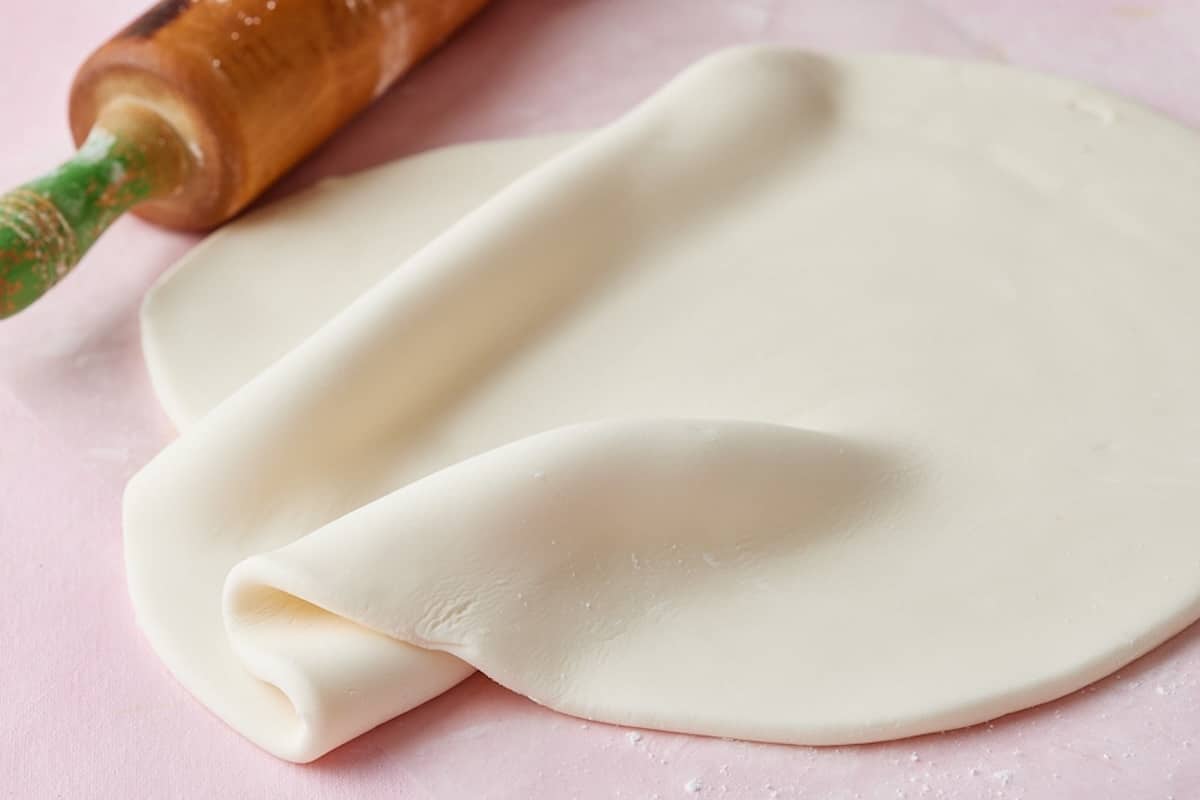
WHY YOU’LL LOVE THIS RECIPE: When you learn How to Make Rolled Fondant, it’s easy to create professional-looking cakes at home that you’d swear came from a fancy bake shop! This easy 7-ingredient recipe is a simple way to level up your baking game.
- Wonderfully smooth, pliable fondant: My icing rolls out beautifully.
- Create beautifully polished cakes: Fondant gives cakes and cupcakes a clean, professional look.
- Manageable step-by-step process: Don’t be intimidated! My simple, step-by-step directions make rolled fondant doable for everyone, including beginners.
- So many decorating possibilities! Use Rolled Fondant to decorate holiday cakes, cupcakes, and celebration cakes.
- Make it at home. Fondant will give your cakes a pro-decorator look you’ll be proud of!
Ever wonder how the fanciest cakes get that gorgeous, smooth finish? The secret is often rolled fondant! As a professional chef, I love finding simple ways to decorate cakes, and making homemade fondant is a useful skill to have. Store-bought fondant can be expensive, and it can be tricky to know how much you’ll need for a particular cake. With this recipe, I’ll show you how to make your own fondant from scratch, with step-by-step instructions to help you get the right consistency.
My most important tip for this fondant icing recipe is to watch the texture. Fondant can dry out quickly, so keep it tightly wrapped in plastic wrap or cling wrap and store it in a resealable plastic bag when you’re not using it. For more easy and beautiful decorating ideas, check out Simple and Beautiful Christmas Cake Decorating, Four Ways to Decorate a Cake, and Easy Royal Icing for Cake Decorating.
Bold Bakers Loved This!
“As a professional cake decorator, I look for very simple but amazing decorating without spending too much money, and this recipe is awesome! It’s very smooth & consistent, and the best part is not having to spend so much money on expensive products. Just simply in love with this recipe.”—Wanda
“This recipe is just amazing. I used lemon extract instead of vanilla extract, and it worked just as well. Thank you so much!”—California Baker
“My 14-year-old daughter and I just made up a half batch for my son’s birthday cake. Much easier to make than I thought.”—Laura
IMPORTANT NOTE: This recipe was improved and updated on 10/18/2026, to include NEW step-by-step photography, explanations and substitutes of key ingredients, clearer steps, make-ahead and storage instructions, ways to use rolled fondant, answers to the most frequently asked questions, and Pro Chef Tips.
Table of Contents
- What is Rolled Fondant?
- Tools You Need
- Key Ingredients and Substitutes
- How to Make Rolled Fondant
- Gemma’s Pro Chef Tips
- Make-Ahead and Storage Instructions
- Ways to Use Rolled Fondant
- FAQs
- More Cake Icing and Frosting Recipes
What is Rolled Fondant?
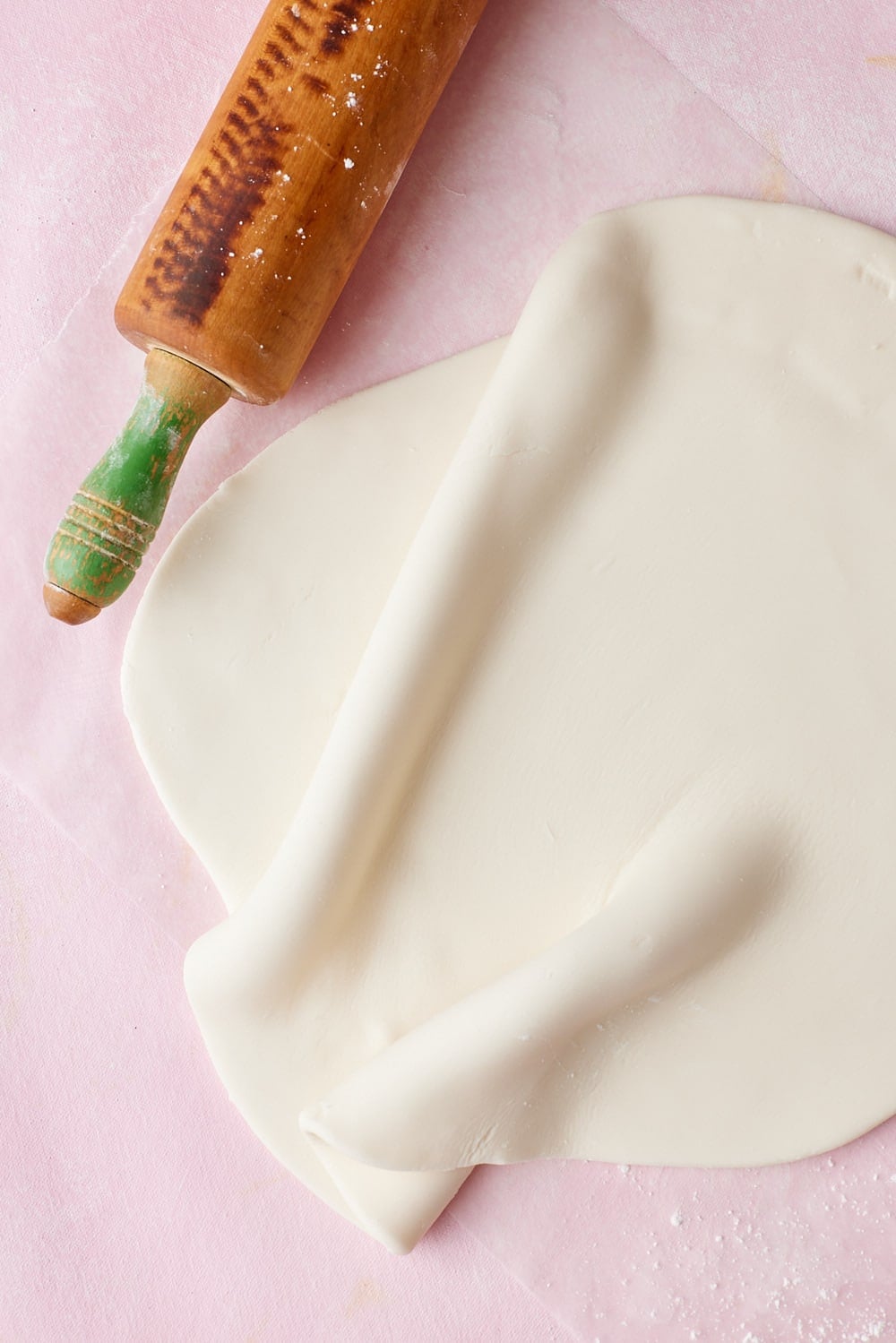
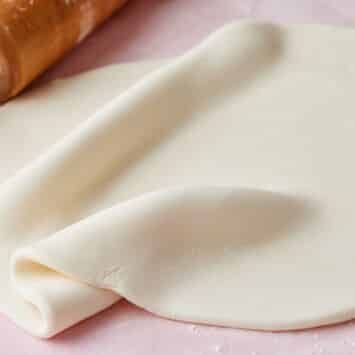
Rolled Fondant is a soft, pliable sugar dough that’s rolled out and draped over cakes for a smooth, polished finish. Unlike spreadable buttercream frosting, rolled fondant icing creates a neat, even surface that’s perfect for decorating. It’s a popular choice for birthday cakes, wedding cakes, and holiday desserts. Rolled fondant has roots in traditional European sugar confectionery and became a favorite among cake decorators for its ability to create smooth, elegant finishes on celebration cakes.
Tools You Need
- Large mixing bowl
- Measuring spoons
- Measuring cups
- Glass measuring jug
- Double boiler
- Wooden spoon
- Rolling pin
Key Ingredients and Substitutes
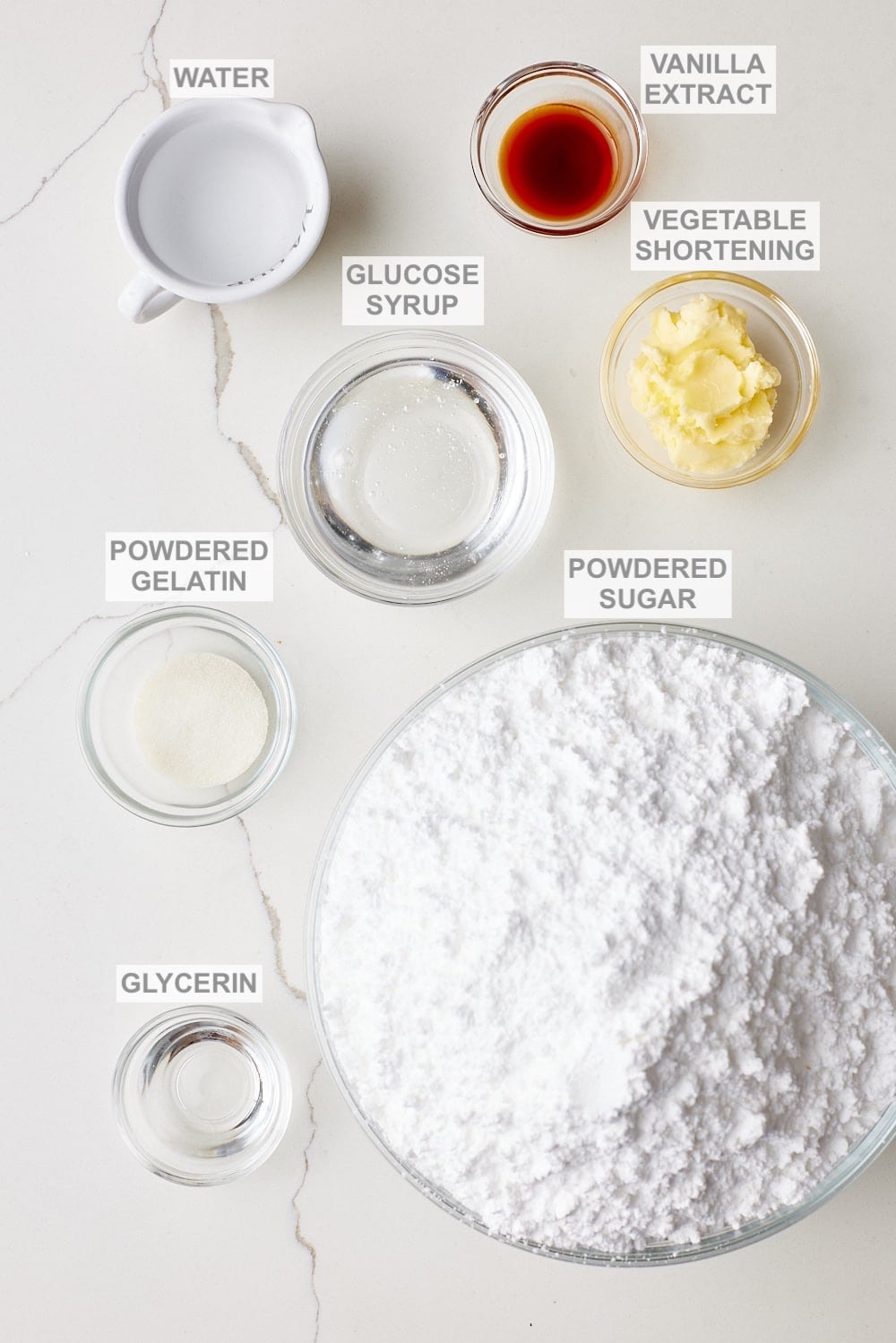
Water
- Water hydrates the gelatin, helping it bloom and dissolve.
- Use cold water here.
Unflavored powdered gelatin
- Unflavored powdered gelatin (gelatine) helps the fondant set and provides structure while keeping it pliable enough to roll out.
Glucose syrup
- Adds moisture and helps keep the fondant smooth and workable. It also helps limit sugar crystallization
- Substitute: Light corn syrup is closely related to glucose syrup, but note that the final texture may differ slightly. Use the same amount by weight if substituting.
Vegetable shortening
- Vegetable shortening adds softness and pliability, helps prevent sticking, and makes the fondant easier to handle.
Glycerin
- Acts as a humectant in fondant icing recipes, helping the fondant retain moisture and stay soft and flexible instead of drying out too quickly.
- You can buy food-grade glycerin (vegetable glycerin) online, in baking supply stores, the baking section in craft stores, or in the pharmacy’s first aid or skin care section.
Vanilla extract
- Vanilla extract adds flavor to the fondant icing sugar.
- I would use clear vanilla extract here, as you want to keep the fondant as white as possible.
Powdered sugar
- Powdered sugar provides the bulk and sweetness in this fondant recipe, creating a dough-like consistency you can knead and roll out.
- Sift the sugar before using to remove lumps.
- Do not use granulated sugar, as it won’t create a smooth texture.
- Make your own powdered sugar in minutes with my recipe.
How to Make Rolled Fondant
-
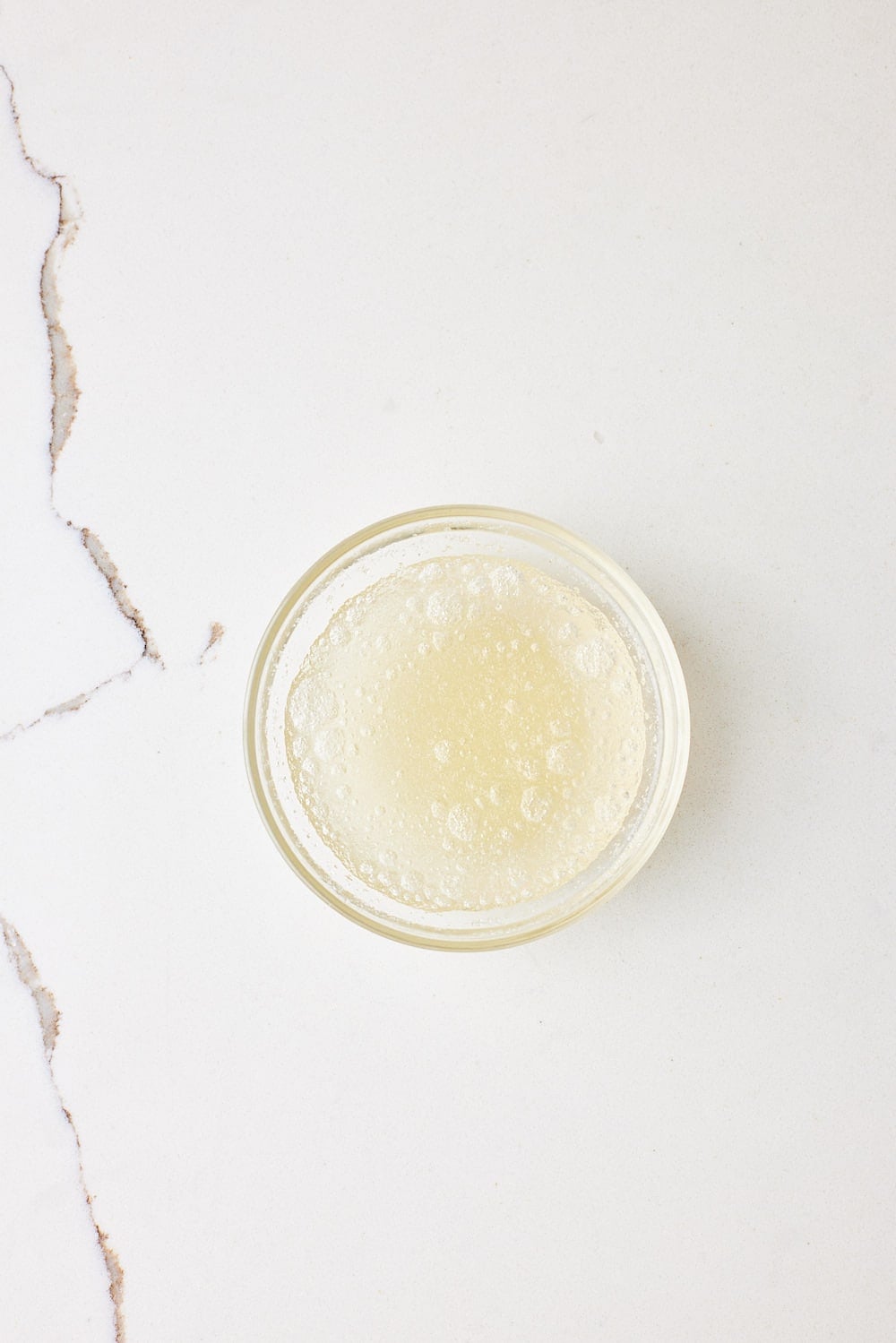
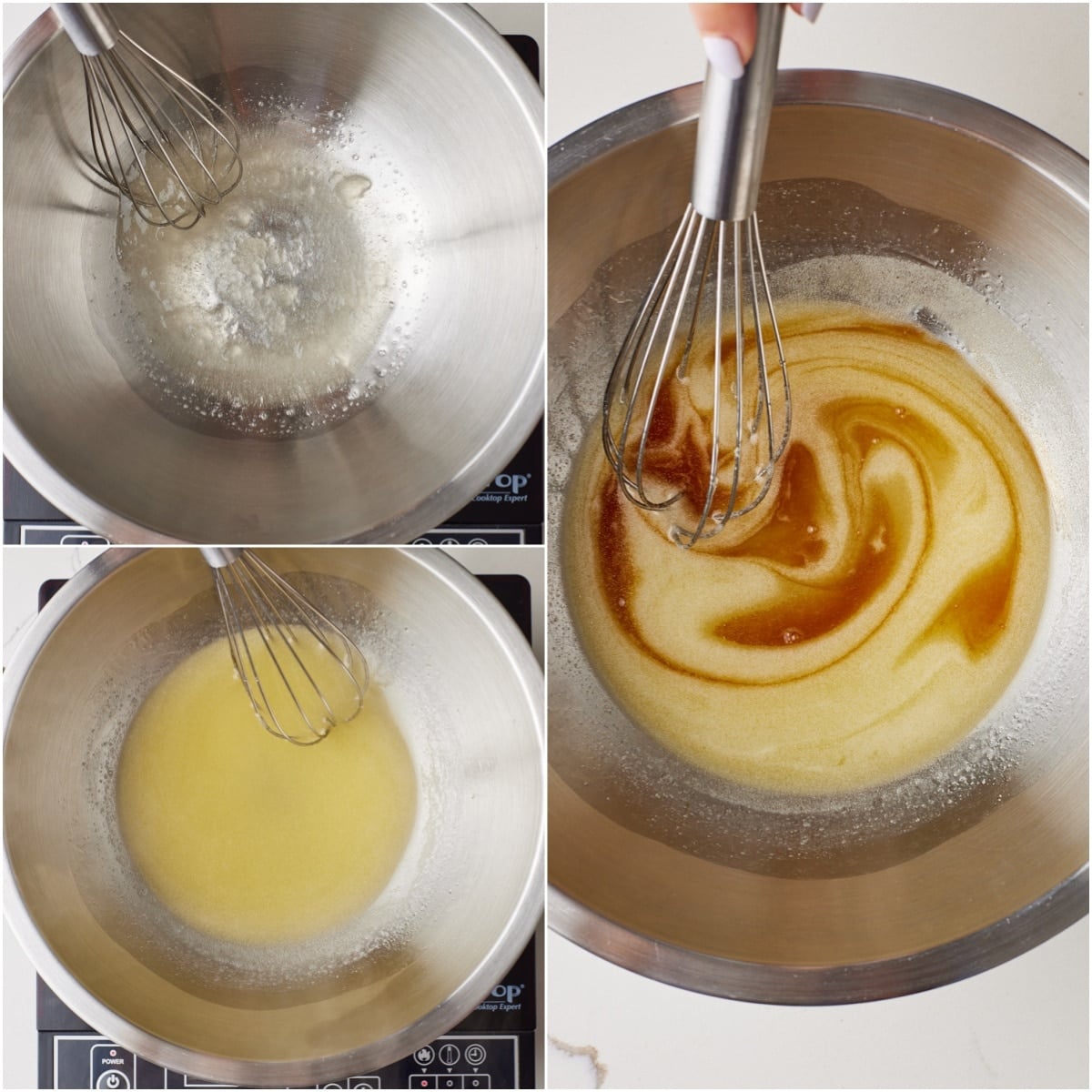
Bloom the gelatin. In a large heatproof bowl, stir together the water and gelatin and let stand for 5 minutes to bloom.
-
Heat the glucose, shortening, and glycerin, and add vanilla. Place the bowl over a double boiler. Add the glucose syrup, vegetable shortening, and glycerin. Stir constantly until completely melted, about 2 minutes. Remove from the heat, stir in the vanilla extract, and let cool until lukewarm, about 5 minutes.
-
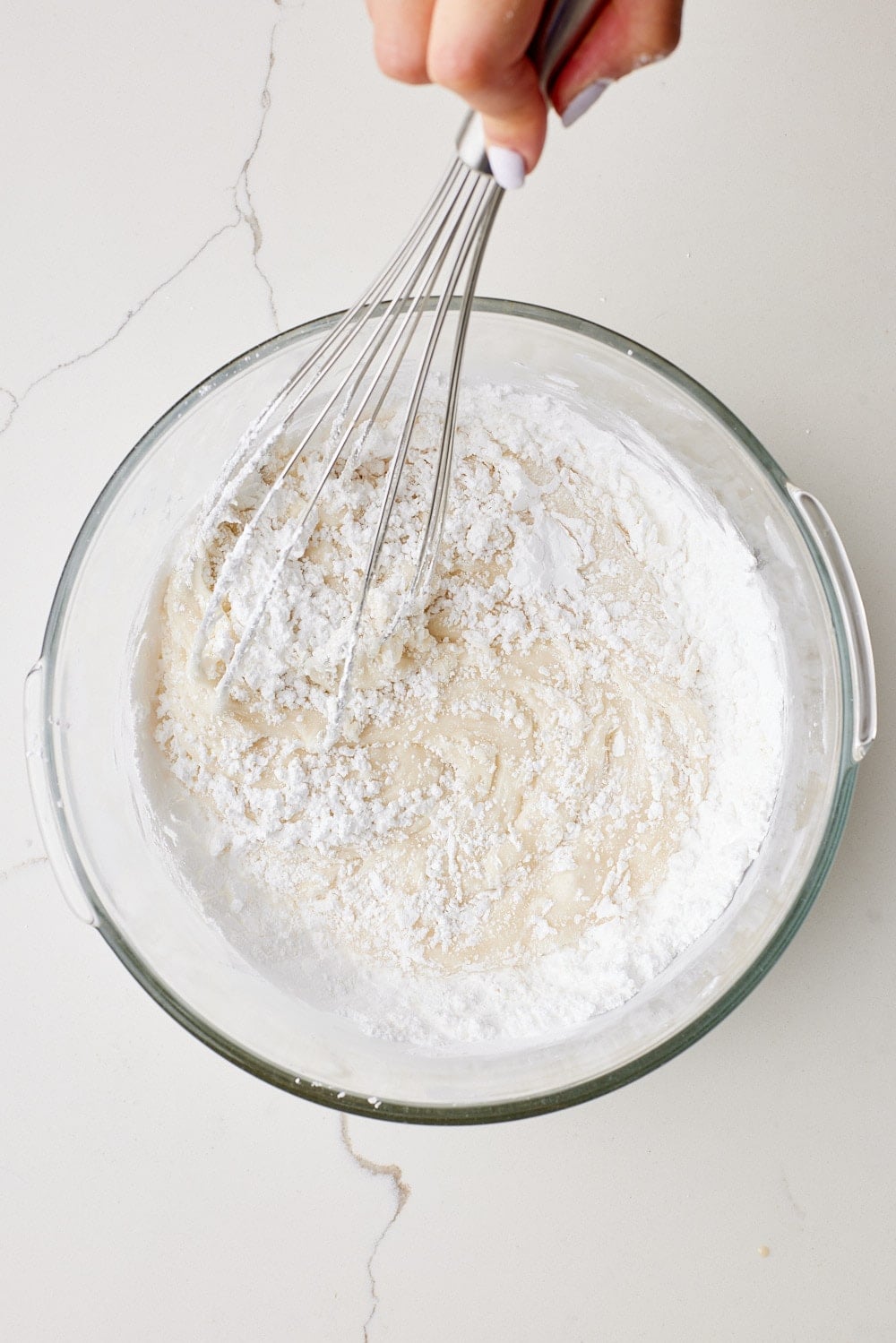
Add powdered sugar. To the same bowl, add 4 cups (1 lb/460 g) of powdered sugar and mix until combined. Gradually, add more powdered sugar until the mixture has stiffened and is no longer sticky.
-
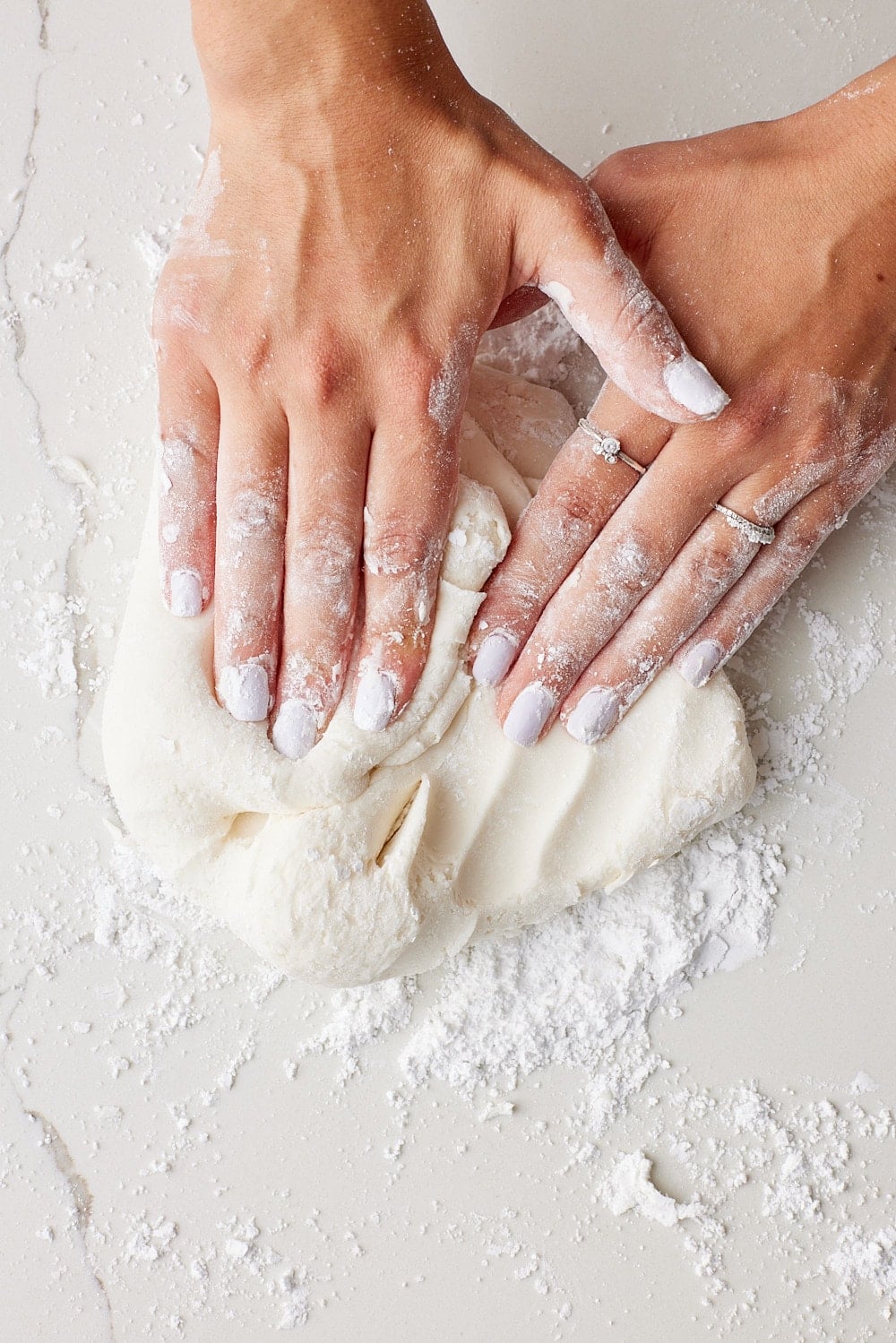
Knead in remaining powdered sugar. Turn out the fondant onto a clean surface and knead in the remaining powdered sugar until smooth and pliable.
-
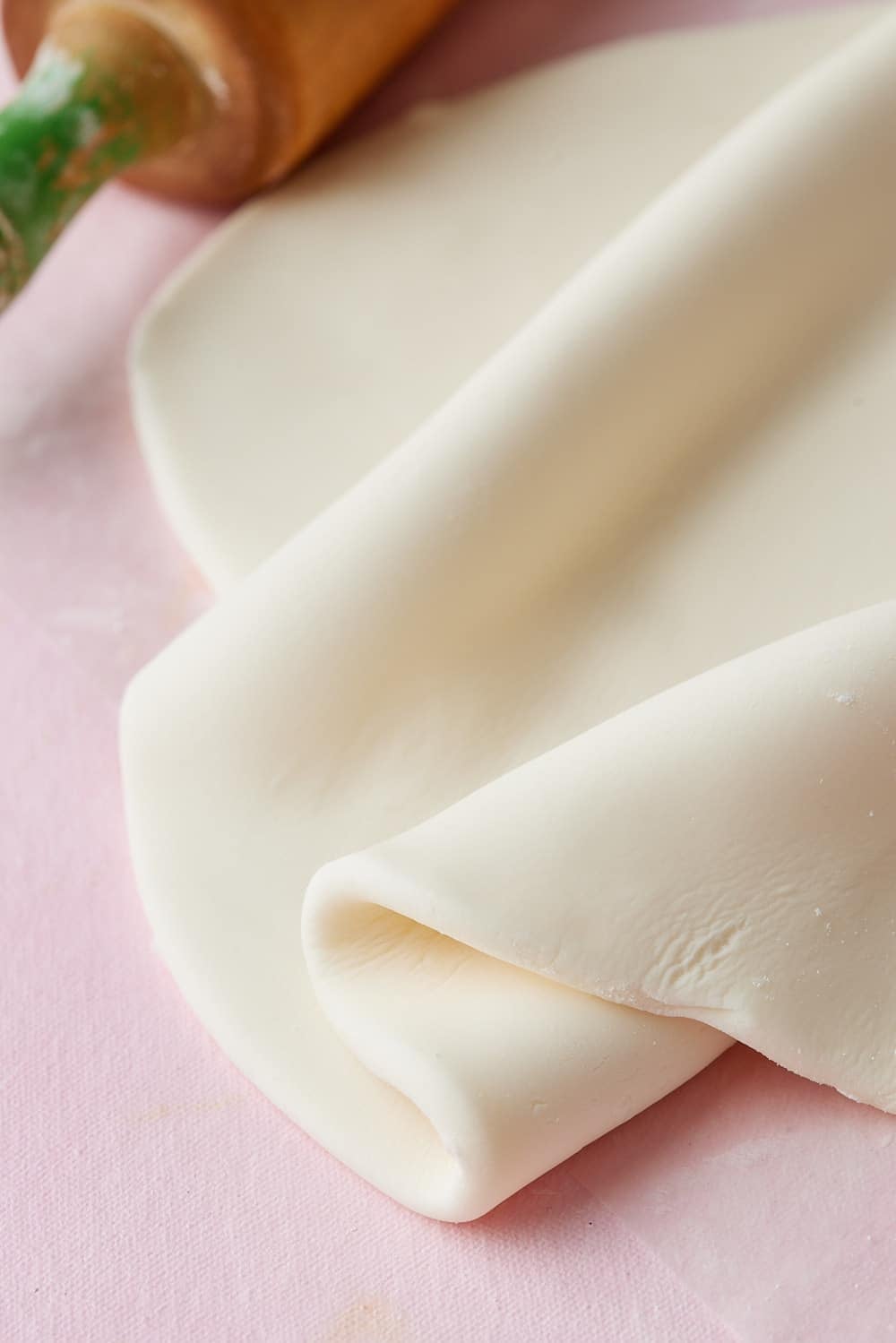
Use fondant to decorate cakes or cupcakes. If storing fondant, knead until soft if necessary.
FULL (PRINTABLE) RECIPE BELOW!
Gemma’s Pro Chef Tips
- Wrap if necessary. Fondant can dry out quickly. If you need to store it for short periods of time, wrap it in cling film or plastic wrap and store it in a resealable plastic bag.
- Tips for longer storage. Roll the fondant into a ball, then coat it with a little vegetable oil. Wrap in plastic wrap, then place the wrapped fondant in an airtight container. It can be stored for up to two months this way. Do not refrigerate or freeze the fondant.
- How to fix sticky fondant. If your fondant is too soft or sticky to roll, knead in a little additional powdered sugar.
- Keep your work environment pristine. Make sure your hands are clean when handling, and avoid wearing clothing with fibers that might shed.
- Frost first. If you’re covering a cake or cupcakes with rolled fondant, lightly cover with a glaze or buttercream frosting first to create a smooth surface.
- Rolling advice: To smooth the fondant, roll it out with a rolling pin on a smooth work surface coated with additional powdered sugar. For large sheets to cover cakes and cupcakes, and for cutting out decorations, roll out a sheet about 1/4 to 1/8 inch thick.
- Make fondant sprinkles! It’s easy to create colorful homemade sprinkles with this fondant recipe.
Make-Ahead and Storage Instructions
Make-ahead tips
- You can make this Rolled Fondant ahead of time so it’s ready when you need to decorate your cake.
- Roll the fondant into a ball, then coat it with a little vegetable oil. Wrap in plastic wrap, then place it in an airtight container.
- It can be stored for up to two months this way.
How to store leftovers
- Roll the fondant into a ball and coat it lightly with vegetable oil.
- Wrap it tightly in plastic wrap or cling film, then place it in an airtight container.
- Store at room temperature for up to two months. Do not refrigerate or freeze it.
Ways to Use Rolled Fondant
- Make professional-looking cakes and cupcakes with this rolled fondant recipe.
- Use my Rolled Fondant to make colorful Homemade Sprinkles to decorate cakes, cupcakes, and cookies.
- Make my Celery Stamp Rose Painted Cake—it has a smooth fondant base and an easy-to-make colorful design.
- For a beautifully festive look. Use rolled fondant as a decoration for Aunty Marion’s No-Bake Christmas Cake
- Make fondant flowers and other festive shapes to give your cupcakes or cakes a custom touch.
FAQs
What is fondant made of?
You’d think this recipe involves a lot of ingredients, but it only requires a few. In addition to glucose and glycerin, all you’ll need is gelatin, vanilla extract, and water.
How do I color fondant?
- It’s best to use paste (gel) food coloring instead of liquid food coloring because it’s more concentrated and adds less moisture to the fondant.
- Add a little at a time and knead until the color is evenly distributed.
- Wear plastic gloves to avoid discoloring your hands. If you are using different colors, you will want to have several pairs of gloves.
How do I flavor fondant?
- Flavoring fondant is a lovely touch in this homemade fondant recipe. Stir in a few drops of your favorite flavoring, such as almond, lemon, rosewater, or orange extract in place of vanilla in the recipe.
How do I roll out fondant?
- To smooth the fondant, roll it out with a rolling pin on a smooth work surface coated with additional powdered sugar.
- For large sheets to cover cakes and cupcakes and for cutting out decorations, you will want to roll out a sheet about 1/4 to 1/8 inch (.6-.3 cms) thick.
I’ve heard about Marshmallow Fondant—how is it different from this recipe?
- Both Marshmallow Fondant and traditional rolled fondant are sugar-based doughs used to decorate cakes.
- Marshmallow Fondant is quicker and easier to make because you start with ready-made marshmallows, which already contain gelatin and other ingredients that create the fondant’s flavor and texture. A traditional rolled fondant recipe, like this recipe, uses ingredients such as gelatin, glucose syrup, shortening, and glycerin to create its workable texture.
- You simply melt the marshmallows with a little water, and knead in powdered sugar until smooth and pliable.
- Check out my Marshmallow Fondant Recipe if you’re looking for a simpler starting point!
Can I use fondant on any kind of cake?
- Fondant works best on a sturdy cake such as butter cakes, pound cakes, Vanilla Birthday Cake, chocolate cake, and carrot cake.
- I don’t suggest using fondant on more delicate cakes, like angel food cake.
Do I place rolled fondant directly on a cake?
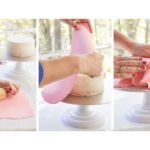
- Don’t place fondant directly on the cake. First, cover your cake with a thin, smooth layer of buttercream or marzipan. This gives the fondant something to adhere to and helps create a clean, professional finish.
-
- Chill the cake first. Refrigerate the buttercream-covered cake until the frosting is firm to the touch. A cold, firm surface makes it much easier to smooth the fondant and achieve sharp edges and a neat shape.
- Roll the fondant evenly. Lightly dust your work surface and rolling pin with powdered sugar or cornstarch to prevent sticking. Roll the fondant into an even sheet, about ⅛ inch thick, large enough to cover the top and sides of your cake.
- Use a fondant smoother. Carefully drape the fondant over the chilled cake, smoothing the top first and then working down the sides. A fondant smoother helps eliminate air bubbles and creases while creating a neat finish.
- Trim away the excess. Use a sharp paring knife or a fondant cutting wheel to trim the extra fondant around the bottom of the cake.
- Work gently and patiently. Smooth the fondant a little at a time, lifting and adjusting the edges as needed to prevent pleats and wrinkles. If the buttercream becomes too soft, return the cake to the refrigerator to firm up before continuing.
Pro tip: A turntable makes covering and smoothing the sides of your cake much easier. If you’re new to cake decorating, a basic fondant smoother, rolling pin, and sharp knife are all you need to get started.
More Cake Icing and Frosting Recipes
- Best Ever Cream Cheese Frosting
- Royal Icing for Cake Decorating
- Swiss Meringue Buttercream
- Salted Caramel Buttercream
- Perfect Ermine Frosting
IMPORTANT NOTE: This recipe was improved and updated on 10/18/2026, to include NEW step-by-step photography, explanations and substitutes of key ingredients, clearer steps, make-ahead and storage instructions, ways to use rolled fondant, answers to the most frequently asked questions, and Pro Chef Tips.
Try These Recipes!


Watch The Recipe Video!
How to Make Fondant (Bold Baking Basics)

Ingredients
- ¼ cup (2 fl oz/60 ml) water , cold
- 2 teaspoons unflavored powdered gelatin
- ½ cup (5 oz/142 g) glucose syrup
- 2 tablespoons (1 oz/30 g) vegetable shortening
- 1 tablespoon glycerin
- 1 teaspoon vanilla extract
- 8 cups (2 lb/920 g) powdered sugar , sifted and divided
Instructions
- In a large heatproof bowl, stir together the water and gelatin and let stand for 5 minutes to bloom.
- Place the bowl over a double boiler. Add the glucose syrup, vegetable shortening, and glycerin. Stir constantly until completely melted, about 2 minutes. Remove from the heat, stir in the vanilla extract, and let cool until lukewarm, about 5 minutes.
- To the same bowl, add 4 cups (1 lb/460 g) of powdered sugar and mix until combined. Gradually, add more powdered sugar until the mixture has stiffened and is no longer sticky.
- Turn out the fondant onto a clean surface and knead in the remaining powdered sugar until smooth and pliable.
- Use fondant to decorate cakes or cupcakes. Store leftovers in an airtight container in the fridge for up to 3 days. When ready to use, bring it to room temperature and knead again until soft.
Recipe Notes
- Wrap if necessary. Fondant can dry out quickly. If you need to store it for short periods of time, wrap it in cling film or plastic wrap and store it in a resealable plastic bag.
- Tips for longer storage. Roll the fondant into a ball, then coat it with a little vegetable oil. Wrap in plastic wrap, then place the wrapped fondant in an airtight container. It can be stored for up to two months this way. Do not refrigerate or freeze the fondant.
- How to fix sticky fondant. If your fondant is too soft or sticky to roll, knead in a little additional powdered sugar.
- Keep your work environment pristine. Make sure your hands are clean when handling, and avoid wearing clothing with fibers that might shed.
- Frost first. If you're covering a cake or cupcakes with rolled fondant, lightly cover with a glaze or buttercream frosting first to create a smooth surface.
- Rolling advice: To smooth the fondant, roll it out with a rolling pin on a smooth work surface coated with additional powdered sugar. For large sheets to cover cakes and cupcakes, and for cutting out decorations, roll out a sheet about 1/4 to 1/8 inch thick.
- Make fondant sprinkles! It's easy to create colorful homemade sprinkles with this fondant recipe.
8 cups of powdered/icing sugar will make about 1kg of fondant.
- 8 cups of sieved powdered sugar will be a bit less than 1000g/1kg. Cups are a measure of volume, when the sugar is sieved the volume increases a little.








This recipe is just amazing, I used lemon extract instead of vanilla extract and it worked just as well thank you so much!!!!
( if you don’t have Glycerin 1 tablespoon of sunflower oil works just as well!)
what would make the ball of fondant kind of cracked looking??
If I use sheet of gelatin how many would I use?
you made no m3ention of adding CMC to the icing sugar
Thank you for this fondant recipe. Will try it out tomorrow. Please is glucose and glucose syrup the same thing. I wish to know so I don’t use the wrong ingredient.
Woow wonderful cakes
Hi, I know I keep going on and on about this ???? but can you use sugar sub for the fondant and the cake? And what kind of substitute? ❤
My 14-year old daughter and I just made up a half batch for my son’s birthday cake. Much easier to make than I thought. So glad I found this because I don’t have any marshmallows in the house – kids ate them all!
I am making a sheet cake 11×15 do you think that will be enough to cover?
Hi Gemma. I made sprinkles with marshmallow fondant but they’re not drying at all and keep on sweating. It’s extremely humid in my area. So I’m thinking of using your recipe. Please tell me that it’ll dry easily. I’m thinking of starting a sprinkles business and if your recipe works, that would be awesome.