This post may contain affiliate links. Please see my full disclosure for details.
Hi Bold Bakers!
WHY YOU’LL LOVE THIS RECIPE: My Best Homemade Pie Crust Recipe is the buttery, flaky crust of your dreams! This go-to recipe is perfect for both beginner bakers and experienced pastry makers, with quality ingredients and step-by-step guidance for a bakery-quality pie crust every time.
- Rich flavor: The pure, indulgent flavor of this all-butter crust is perfect for both sweet pies and savory fillings.
- Melt-in-your-mouth texture: My flaky crust just might be the best part of the pie!
- Perfect for beginner bakers: My foolproof method and step-by-step guidance make homemade pie crust approachable, even if you’ve never done it before.
- Easy to work with: Egg yolks give this pastry a pliable texture and add rich flavor.
- Your go-to pie crust! With this recipe, you have enough dough to make one double-crust pie for a 9-inch pie dish, or two 9-inch single-crust pies, or one 9-inch single-crust pie now and freeze the second crust for later.
If making pie crust from scratch intimidates you, my recipe will change your mind! As a pro chef, I’ve made thousands of pie crusts, and when I started Bigger Bolder Baking, one of my goals was to develop an easy, reliable, perfect pie crust recipe. My Best Homemade Pie Crust is simple to make, forgiving to work with, so tender and flavorful, and quick, you may never use store-bought again!
My most important tip when you’re learning how to make a pie crust is to add the water gradually. The brand and type of flour, how you measure it, and even the amount of humidity in the air can affect how much water the flour absorbs. Start with the minimum amount of water and, if needed, add a little more at a time just until the dough comes together. Looking for a different kind of crust? Check out my Gluten-Free Pie Crust, Cookie Pie Crust, or Chocolate Pastry.
IMPORTANT NOTE: This recipe is updated and improved on 10/4/2026, to include a refreshed introduction, updated ingredients description, clearer step-by-step instructions, measurements for a single crust and double crusts, make-ahead and storage instructions, ways to use the crust, answers to the most frequently-asked questions, and enhanced Pro Chef Tips.
Bold Bakers Loved This!
“Amazing recipe!!! So good and flaky. This is THE recipe for pie crust you don’t need to use any other. Works totally great with salted butter( I didn’t have any other) . I made strawberry pie and apple pie and they both turned out delish!” — Krilaki
“This recipe is amazing! I’ve always done store bought crusts as I’m not a great baker and thought that it would be too hard to make my own. This came out wonderful on my first try. So easy and way more delicious.” — Ashley
“This worked exactly as written, thanks! Family loved it ! Eaten in one sitting!” — Lori
Table of Contents
- Tools You Need
- Key Ingredients
- How to Make an Easy Pie Crust Recipe
- Make Ahead and Storage Instructions
- Ways to use My Best Homemade Pie Crust Recipe
- FAQs
- Gemma’s Pro Chef Tips
- More Pie Crust Recipes
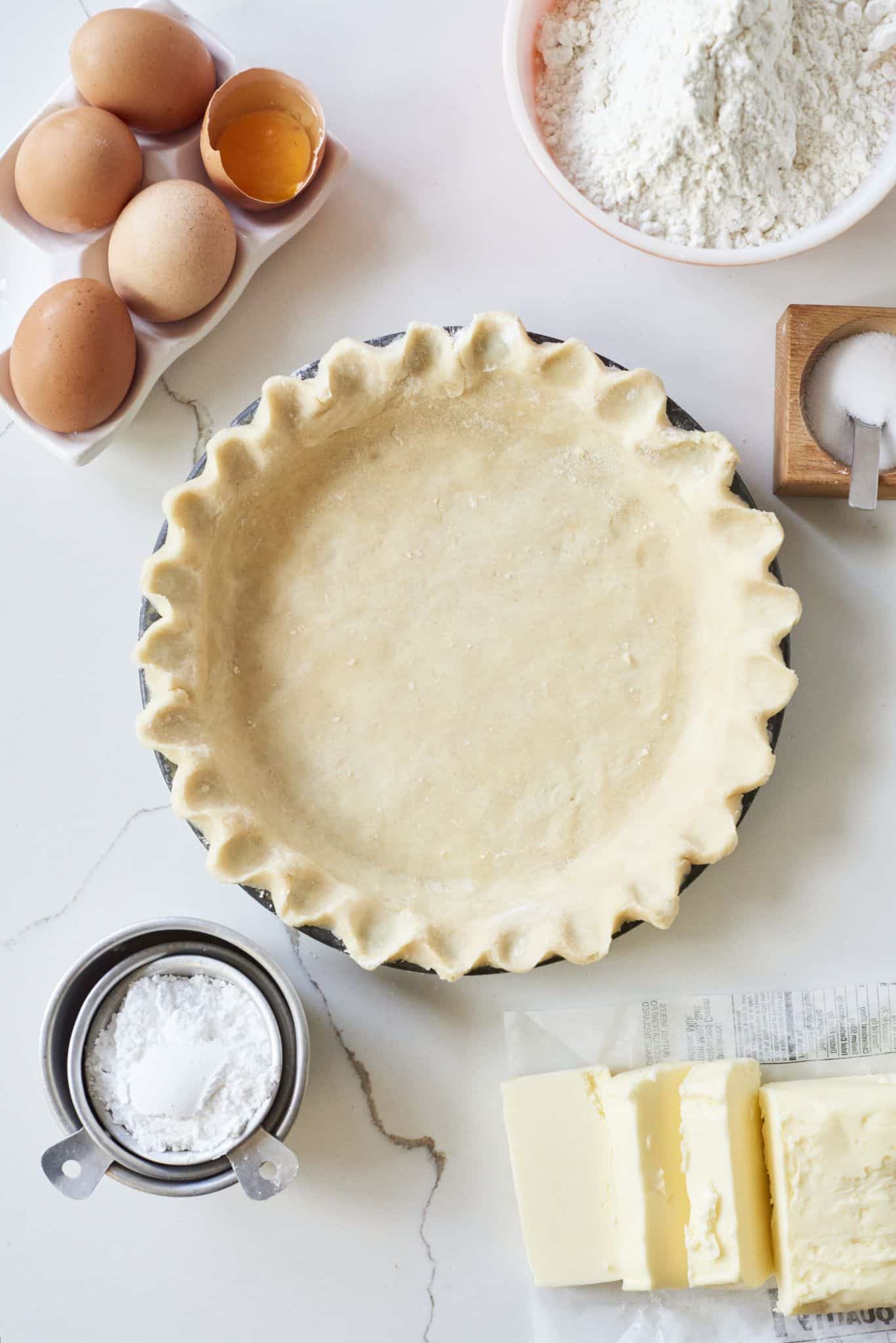
Tools You Need for a Perfect Homemade Pie Crust Recipe
Key Ingredients
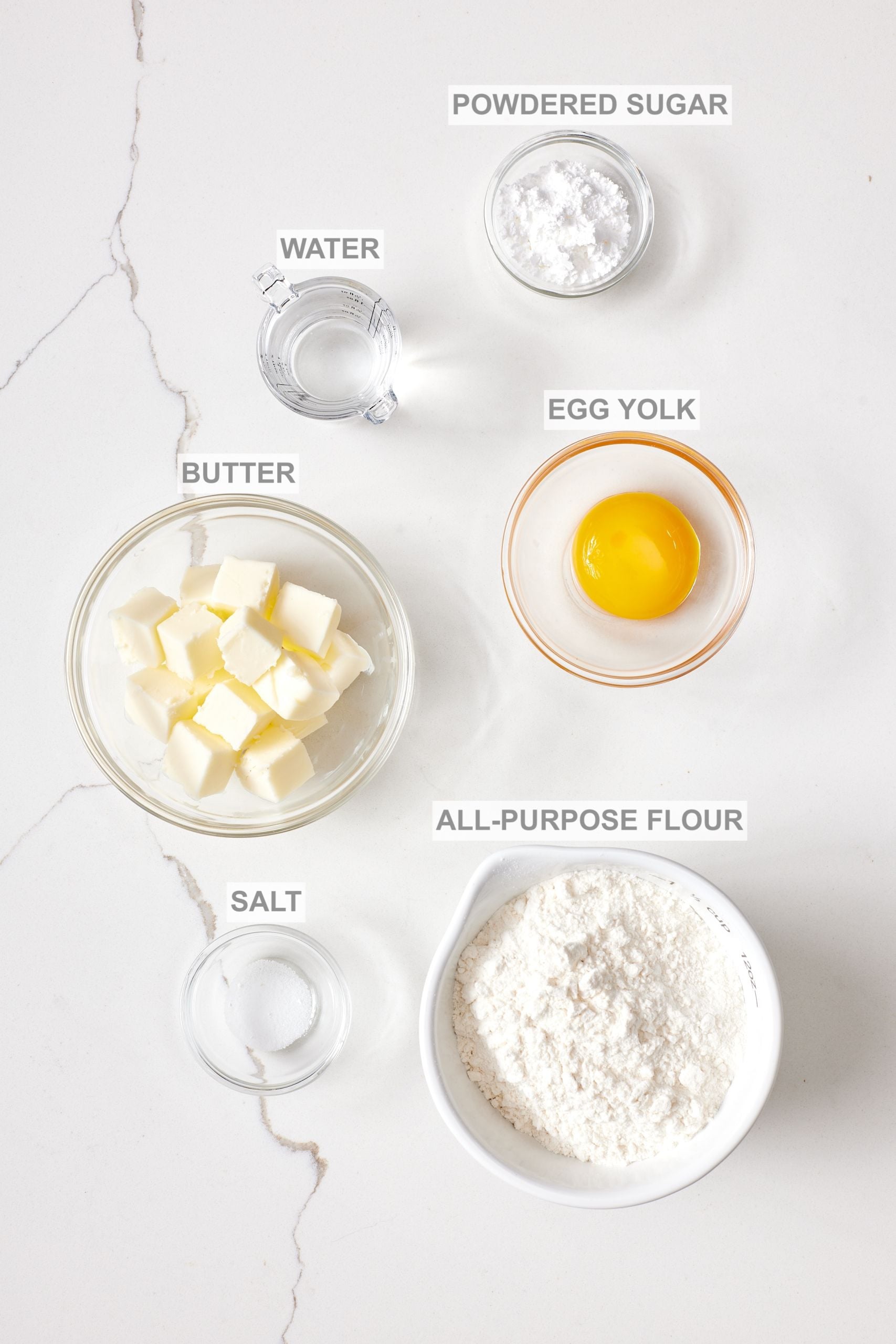
All-purpose flour
- All-purpose flour has a protein content of 9-11%, which is perfect for forming the needed amount of gluten to create structure while still creating a tender texture.
- Substitutes: You can use up to 50% whole wheat flour in place of all-purpose flour for a nuttier flavor. Note that a crust made with whole wheat flour will be denser.
- For a gluten-free crust, use the same amount of a 1:1 gluten-free baking blend like my Easy Almond Flour Baking Mix.
Powdered sugar
- Powdered sugar sweetens the pie dough. Omit the powdered sugar if you’re making a savory pie crust.
- Using powdered sugar in this homemade pie crust recipe contributes to a tender, smooth crust compared to granulated sugar.
- If you’re out of powdered sugar, make your own with my quick recipe.
Salt
- Salt enhances the flavors of this butter crust pie dough and keeps the pastry from tasting bland.
Butter
- Butter contributes to a flaky crust.
- It’s important to use cold butter here. When the cold butter melts during baking, the water in the butter turns to steam, which creates little flaky pockets.
- Importantly, butter gives this easy pie crust rich flavor.
- Substitutes: You can replace all or some of the butter with plant-based butter or vegetable shortening, or lard.
Egg yolks
- Egg yolks add richness, tenderness, and a little extra moisture to the pie crust recipe, while helping bind the dough together.
- Use cold egg yolks right from the fridge—using cold ingredients is essential to keeping the butter solid, which creates a flaky crust.
- Importantly, the additional fat in egg yolks makes the dough easier to handle.
Cold water
- Cold water hydrates the flour.
- Using cold water or ice water is important because it keeps the butter cold and solid, which is essential to creating a flaky crust.
- Additionally, cold water makes the dough less sticky and easier to handle.
How to Make an Easy Homemade Pie Crust Recipe
- Mix dry ingredients. In a large bowl, add the flour, powdered sugar, and salt and mix together.
- Blend in butter. Add the butter and rub in with your fingers or a pastry blender until it resembles coarse breadcrumbs. (You can also do this in the food processor).
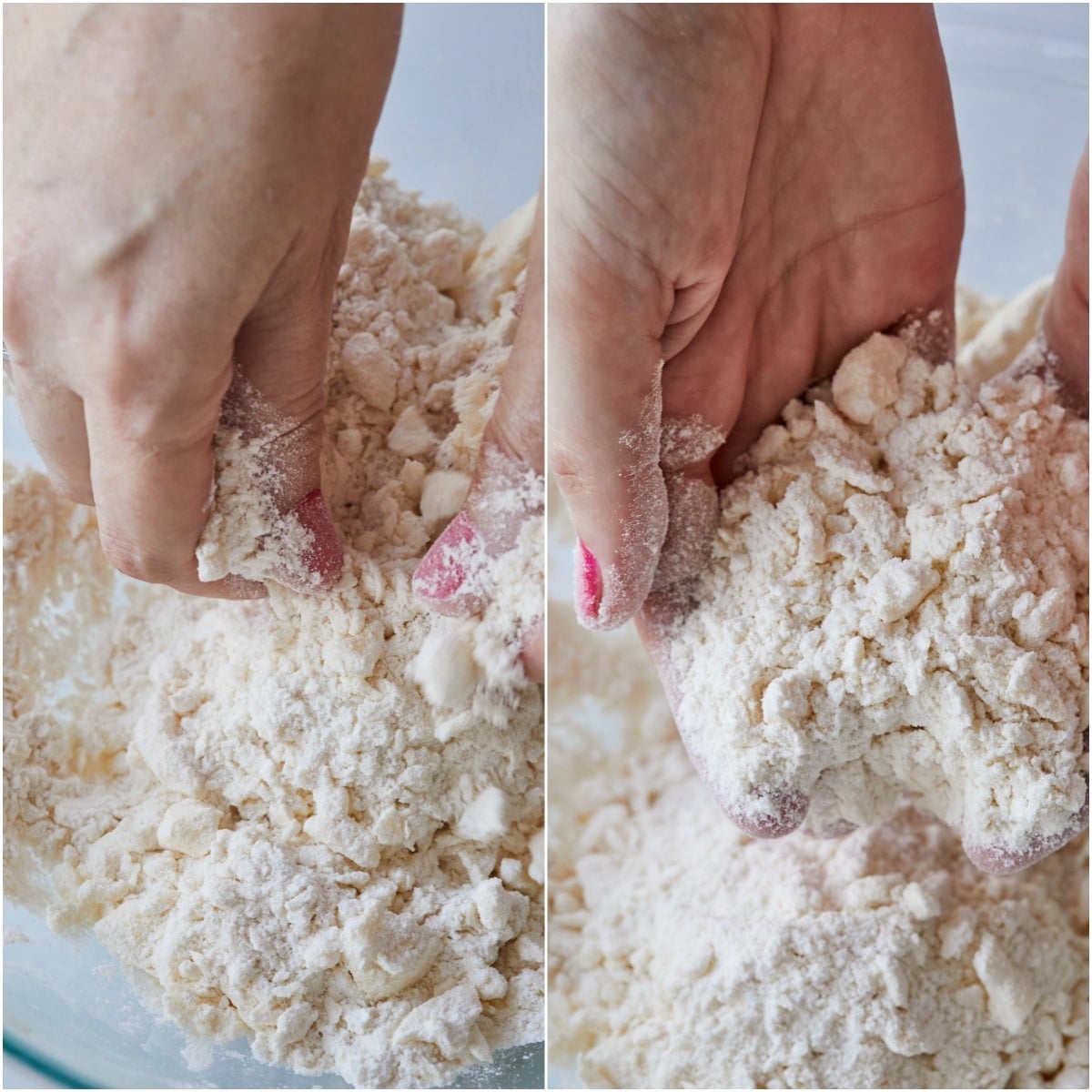
- Add egg yolks and water. In a small bowl, mix together the egg yolks and 4 tablespoons of water and add to the dry ingredients.
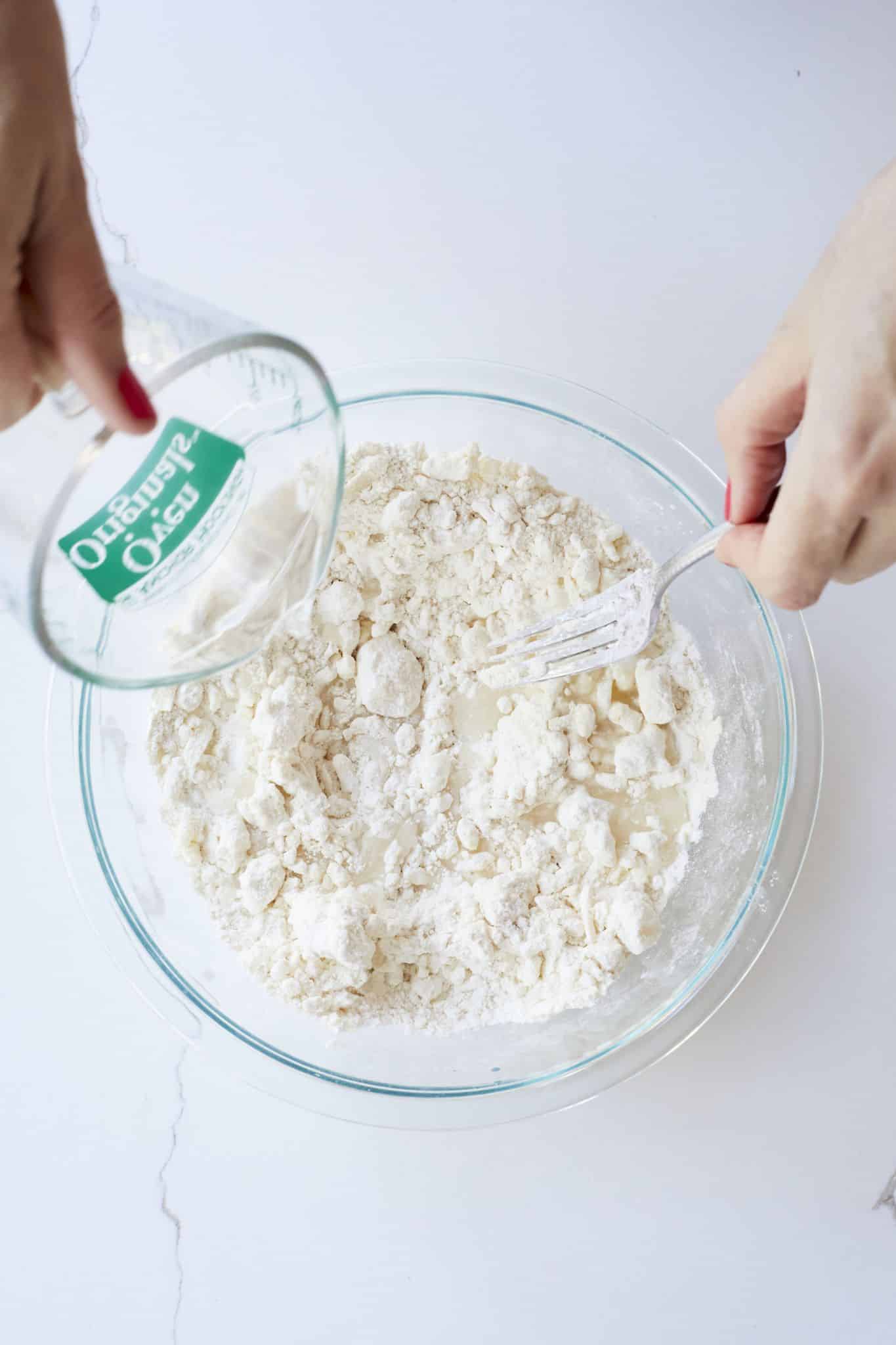
- Finish dough. Mix gently until your dough comes together. Then, using your hands, pull the dough together to incorporate any dry pieces. If your dough seems too dry, add some of the remaining water. (Be careful not to hastily add more liquid, as this will not yield the best results.
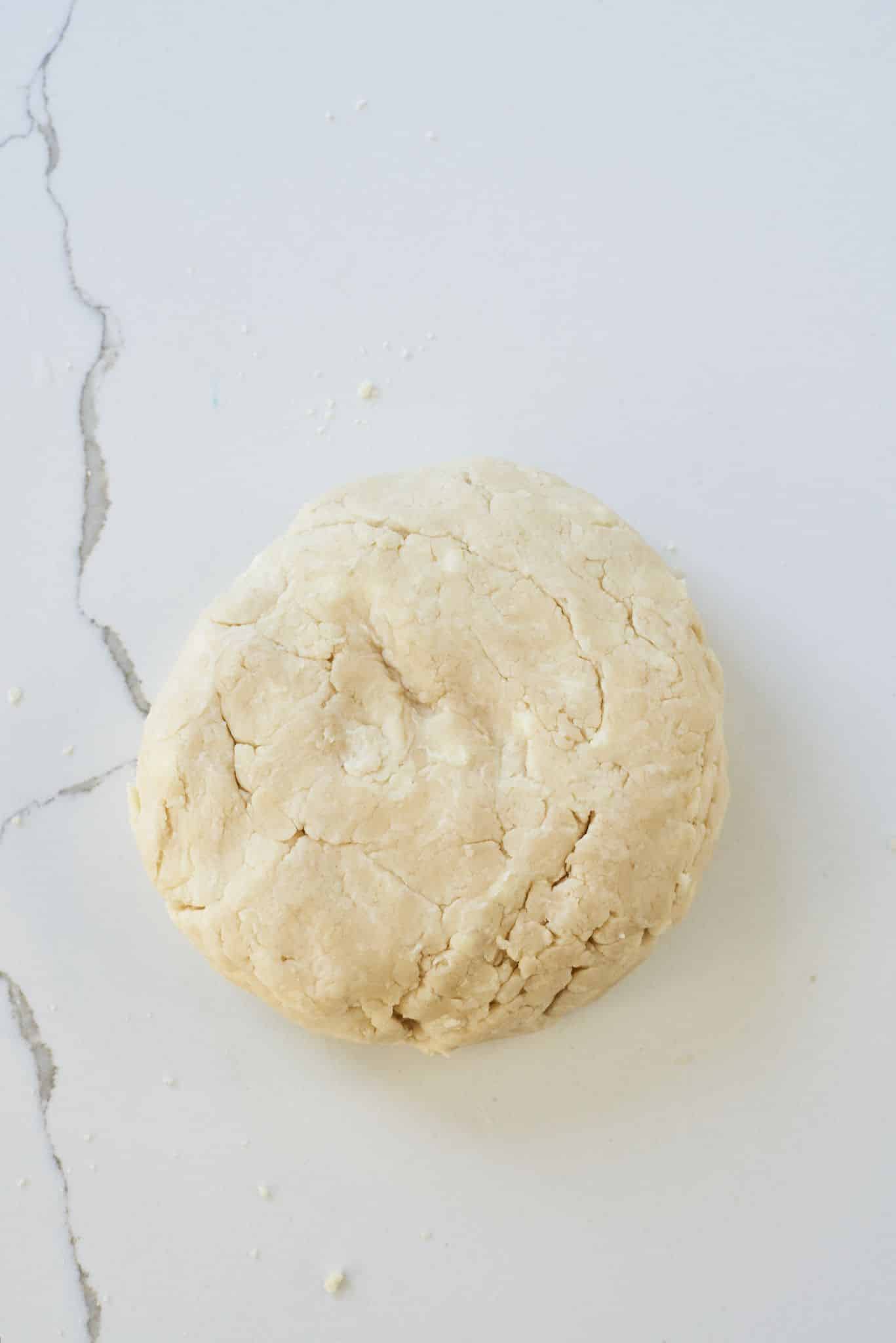
- Let dough rest. Wrap the pastry in cling wrap and chill in the refrigerator for a minimum of 30 minutes to allow the gluten to relax before rolling. (The dough will get a little wetter once it relaxes.
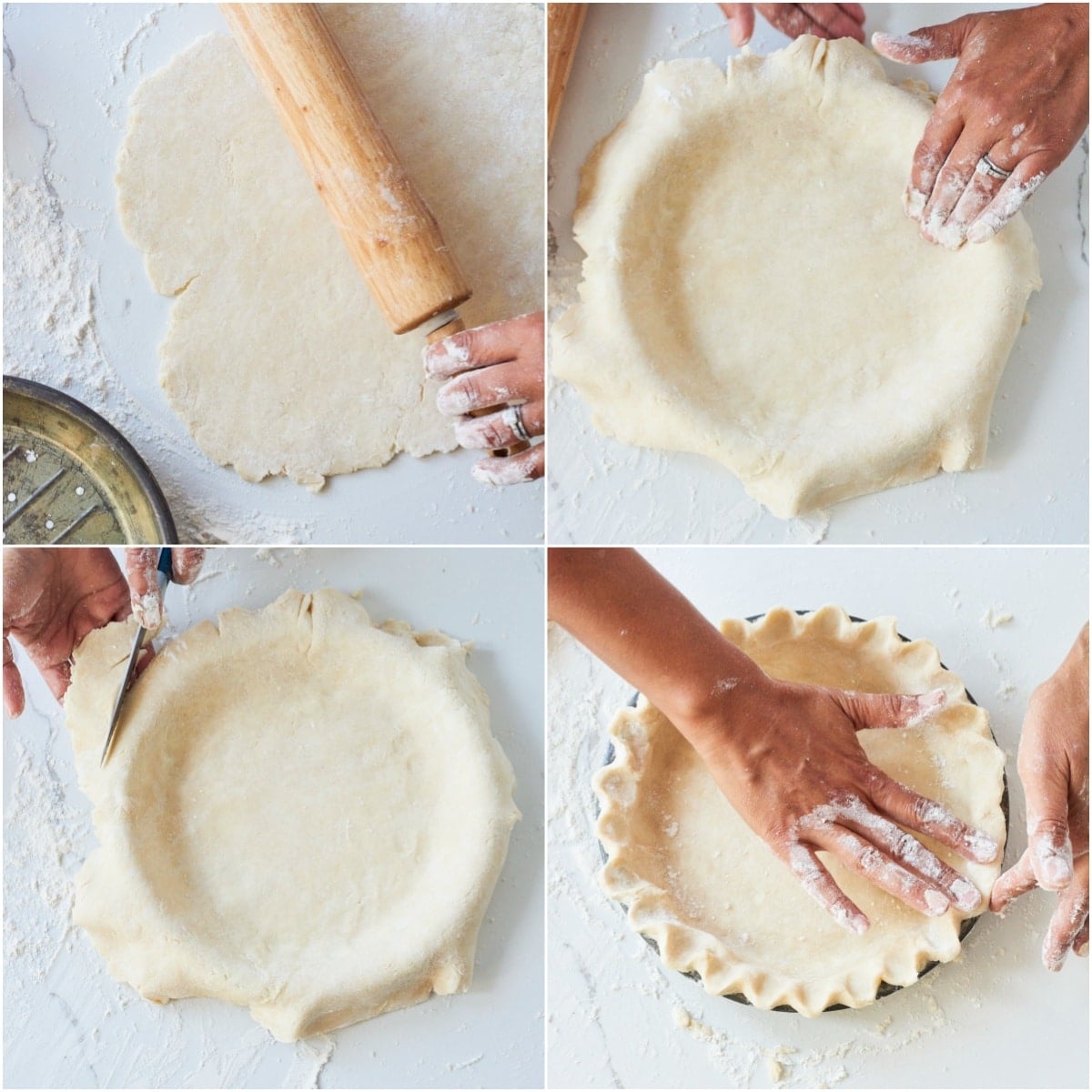
- Use the pastry or store it. Bake according to your recipe directions. Alternatively, store the pastry for up to two days in the fridge. You can also freeze the dough for up to eight weeks and defrost overnight in the fridge before using.
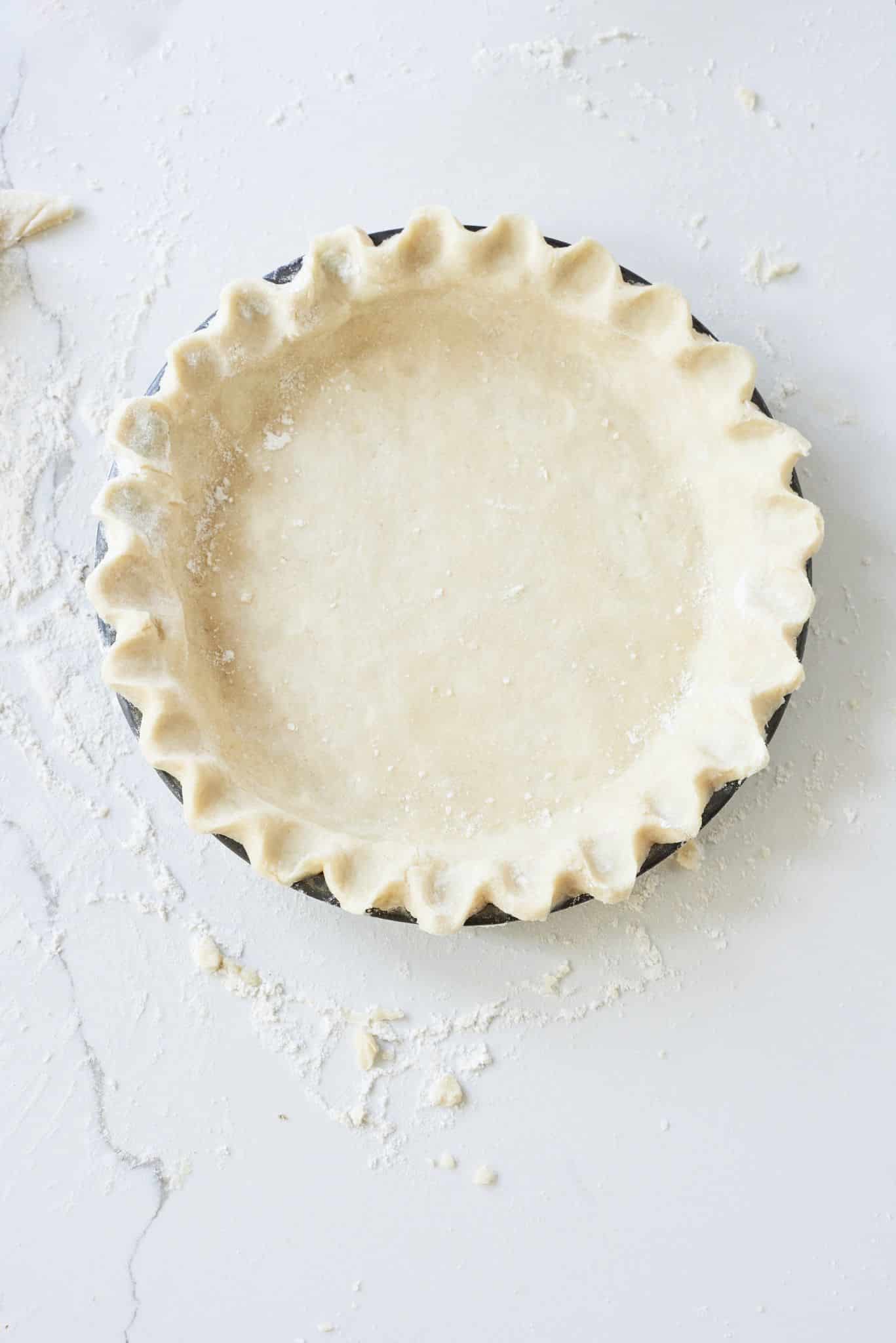
FULL (PRINTABLE) RECIPE BELOW!
Gemma’s Pro Chef Tips
- Make pie crusts to have on hand. I like to make a few crusts, wrap them in cling wrap, place in a freezer bag or freezer-safe container, label clearly, and freeze for future pie making. This makes life especially easy during the holidays—no need to buy store-bought pie crusts.
- Add liquid gradually. Flour can absorb different amounts of water depending on the brand, how it’s measured, and the humidity in your kitchen. Start with the minimum amount and add a little water only as needed until the dough comes together.
- Chill before rolling: Wrap the dough and refrigerate for at least 30 minutes to relax gluten and make rolling easier.
- Handle gently. Overworking the dough develops gluten, which can make your pie crust tough rather than tender and flaky. Bring the dough together just until no dry pieces remain, and avoid kneading or repeatedly rerolling the pastry.
- Make it savory: Simply omit the powdered sugar to use this versatile crust for savory pies such as chicken pot pie, vegetable pot pie, or quiche. For even more savory flavor, you can add ¼–½ teaspoon freshly ground black pepper, dried herbs, or grated Parmesan cheese to the flour mixture.
- Prevent crust shrinkage: Don’t add more water than necessary when making the dough, as excess liquid can encourage gluten development, making tough crusts and making the crust more likely to shrink. When fitting the dough into your pie plate, gently ease it into the corners rather than stretching it, leaving a little excess around the edge.
- For a blind-baked crust, dock the bottom with a fork, line with parchment and pie weights, and freeze until firm before baking. Starting with a very cold crust helps it hold its shape in the oven.
- Freeze the pie crust: Store in the freezer for up to 8 weeks. Roll pie crust out and fit into the tin, then bake directly from frozen. For pies that normally require blind baking, bake as-is—no weights or beans needed.
- Learn how to make a lattice crust and more: Check out my 5 Impressive & Easy Pie Design Techniques!
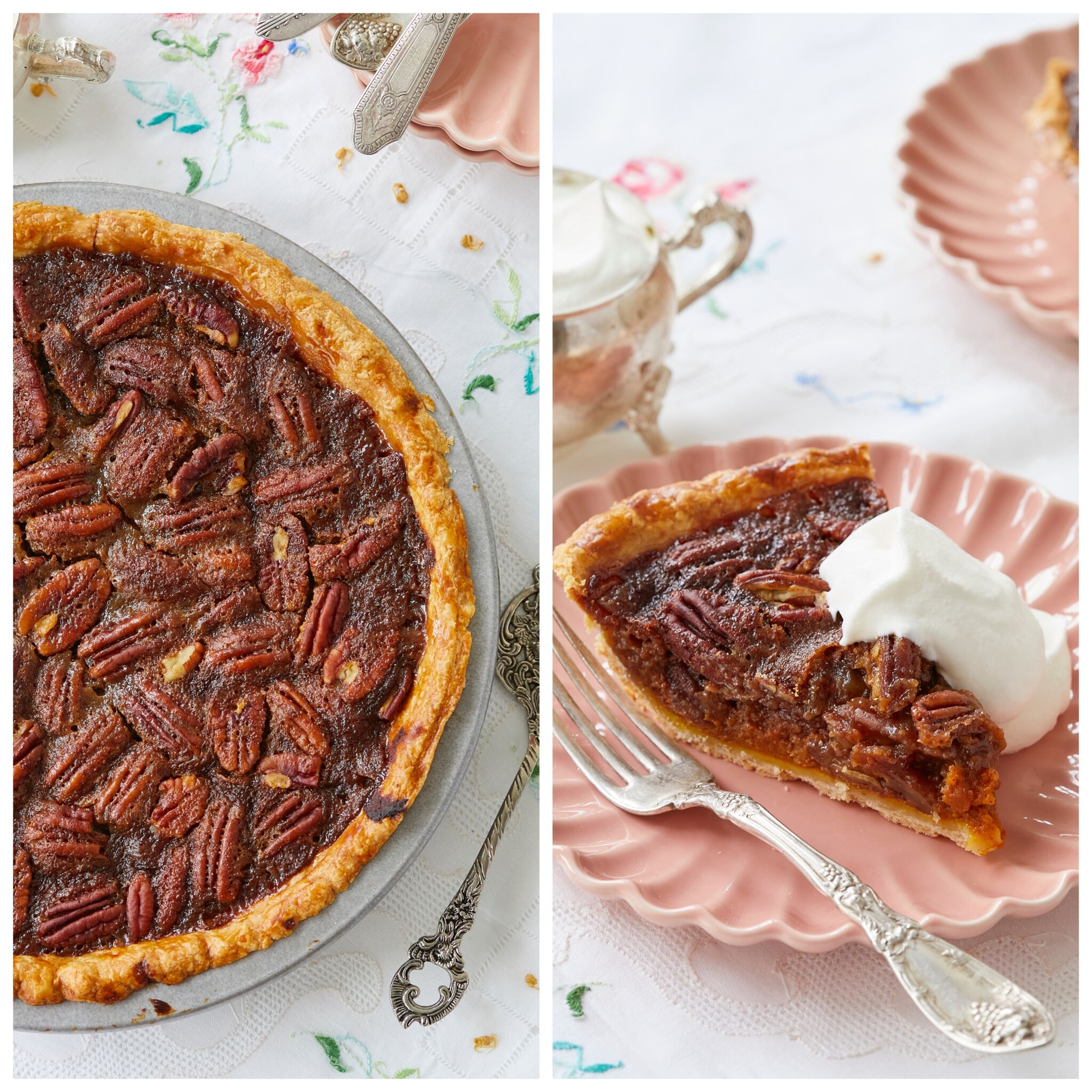
Make Ahead & Storage Instructions
Make-ahead tips
- Refrigerate: Prepare the pie crust dough, wrap the disk tightly in plastic wrap, and refrigerate for up to two days before rolling and baking.
- Freeze unbaked dough: Wrap the unbaked dough well and freeze for up to eight weeks. Thaw in the fridge overnight before rolling out.
- Freeze assembled crust: Roll out the dough on a clean work surface, fit it into the pie dish, and freeze unbaked for up to eight weeks. Bake directly from frozen—no need to thaw.
- Blind baking from frozen: For recipes requiring blind baking, bake the frozen crust as directed with no pie weights or beans needed. Always dock the bottom for the best result.
- Baked pie crust storage: Once baked and cooled, store the crust covered at room temperature for up to 2 days, or refrigerate for longer freshness.
How to store leftovers
- Follow individual pie recipe instructions for storage recommendations.
Ways to use My Best Homemade Pie Crust Recipe
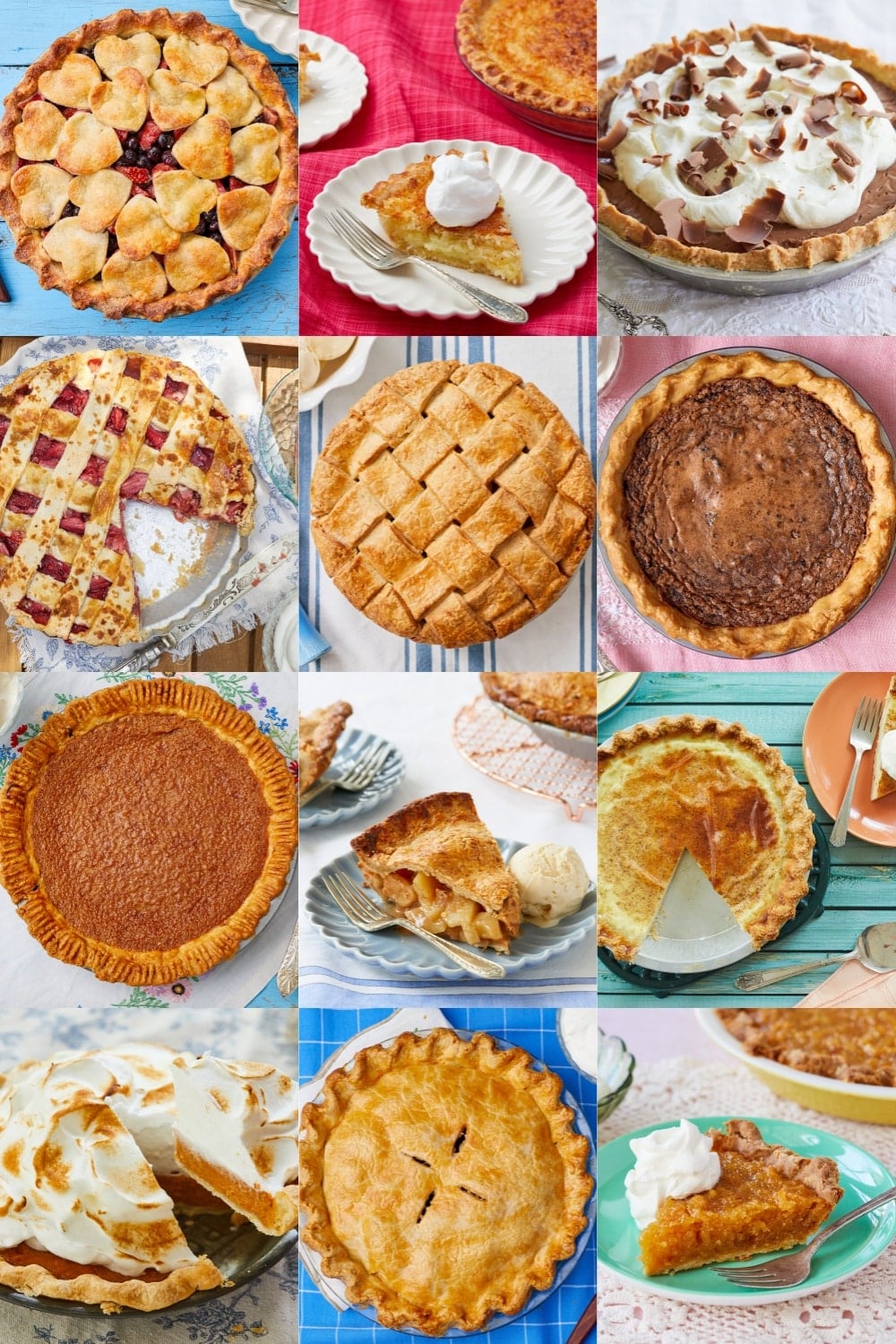
- Best Apple Pie
- Caramel Apple Pie
- Apple Cheddar Pie
- Best Pumpkin Pie Recipe
- Maple Syrup Pie
- Sweet Potato Pie
- Chocolate Chess Pie
- Best-Ever Pecan Pie
- Traditional Easy Treacle Tart Recipe
- McDonald’s Apple Pie
- Fresh Blueberry Strawberry Pie Recipe
- Best-Ever Coconut Custard Pie Recipe
- Chocolate Pudding Pie Recipe
- Fresh Strawberry Pie
- Southern Egg Custard Pie
- and more!
FAQs
How do I make sure my pie crust is flaky?
- To achieve a flaky pie crust, use cold ingredients to keep the butter solid. The cold, solid butter pieces melt in a hot oven, releasing steam that forms air pockets and creates flakiness.
- A cold environment also slows gluten development, making the dough less sticky and easier to handle. This helps you avoid overmixing the dough, resulting in a more tender, delicate crust.
- Lastly, allow the pie crust to rest and chill before rolling.
What’s the difference between using all-butter pie crust recipes and shortening pie crust recipes?
- Butter gives pie crust its rich, unmistakable flavor and creates a beautifully flaky crust. It can be a little trickier to work with because butter softens quickly, so keeping it cold is key.
- Shortening is made from vegetable oil and has a higher melting point than butter, so it stays workable longer and can make an especially tender, flaky crust. It’s also generally less expensive than butter, making it a practical option for baking multiple pies or baking on a budget.
- Which do I prefer? I’ll be honest with you: growing up in Ireland, we didn’t really use shortening at home. It’s not traditionally common in Irish home baking, and I personally prefer butter for its rich flavor and simple ingredient profile. So I think butter makes the best pie crust, and I recommend butter for this recipe, but shortening can absolutely make a delicious pie crust.
Why do some people use alcohol in homemade pie crusts?
- Some bakers replace some of the water in a pie crust recipe with cold vodka or another neutral spirit to pie dough because it can help create a tender, flaky crust that’s easier to roll and handle.
- Less gluten development: Alcohol doesn’t contribute to gluten formation the way water does. This allows you to add enough liquid to bring the dough together while developing less gluten, which can make the crust more tender and easier to roll without becoming tough.
- Much of the alcohol evaporates: Alcohol evaporates more readily than water during baking, so much of it leaves the crust as it bakes. This helps create a tender pastry without leaving a strong alcohol flavor.
- Vodka is the classic choice: Vodka is often used because it’s relatively neutral in flavor. You can experiment with other spirits, but stronger-flavored options such as whiskey will change the flavor of the crust.
Can I make this best pie crust recipe without a food processor or pastry cutter?
- Absolutely! You can use a fork, pastry blender, or your fingertips to work the cold butter into the flour.
- If using your hands, work quickly and use a light touch so the warmth from your hands doesn’t soften the butter too much. If your hands are naturally warm or your kitchen is hot, a pastry cutter or fork is a better choice.
How do I make a gluten-free pie crust?
- To make this a gluten-free pie crust, simply replace the all-purpose flour with a 1:1 gluten-free baking blend, like my Easy Almond Flour Baking Mix.
Can I make this pastry recipe dairy-free?
- Yes, you can make this pastry recipe dairy-free. Simply replace the regular butter with plant-based butter.
What is blind baking, and when should I blind bake a pie crust?
- Blind baking means baking a pie crust before adding the filling. This technique is used in pie recipes where a filling does not need to be baked as long as the crust, or an unbaked filling is added after the crust is baked, or in a filled pie when you want to prevent a wet filling from making the bottom crust soggy.
- Blind baking can also be partial (par-baking) or full.
- A partially blind-baked crust is baked just until set, then the filling is added, and it’s returned to the oven.
- A fully blind baked crust is baked until completely cooked before adding a filling that doesn’t need to be baked.
- To blind bake a crust, roll out pastry to the desired thickness, place in a pie dish, and dock the bottom.
- Line the pastry with a large piece of parchment, and fill it with dry beans, raw rice, lentils, or pie weights. Adding weight will to stop the dough from rising up as it bakes.
- Bake at 350°F (180°C) until the dough looks matte instead of wet, about 20 minutes.
- If you need your pastry fully baked, remove the parchment paper and weights and bake for a further 10-15 minutes, or until the bottom of the crust is lightly golden, for a crisper pastry.
More Pie Crust Recipes
IMPORTANT NOTE: This recipe is updated and improved on 10/4/2026, to include a refreshed introduction, updated ingredients description, clearer step-by-step instructions, measurements for a single crust and double crusts, make-ahead and storage instructions, ways to use the crust, answers to the most frequently-asked questions, and enhanced Pro Chef Tips.
Try These Recipes!
Watch The Recipe Video!
Best Pie Crust Recipe


Ingredients
Single Pie Crust Recipe
- 1⅓ cups (6 ½ oz/185 g) all-purpose flour
- 1 tablespoon powdered sugar
- ⅛ teaspoon salt
- 7 tablespoons (3 ½ oz/100 g) butter , cold and cubed
- 1 large egg yolk
- 2 - 3 tablespoons water , cold
Double Pie Crust Recipe
- 2 ⅔ cups (13 oz/370 g) all-purpose flour
- 2 tablespoons powdered sugar
- ¼ teaspoon salt
- 14 tablespoons (7 oz/200 g) butter, cold and cubed
- 2 large egg yolks
- 4-6 tablespoons water, cold
Instructions
- In a large bowl add the flour, powdered sugar and salt and mix together.
- Add the butter and rub in with your fingers or a pastry blender until it resembles coarse breadcrumbs. (You can also do this in the food processor).
- In a small bowl, mix together the egg yolk and the smaller tablespoon amount of water and add to the dry ingredients.
- Mix gently until your dough comes together. Then, using your hands, pull the dough together to incorporate any dry pieces. If your dough seems too dry, you can add some of your remaining water. (Be careful not to hastily add more liquid as this will not yield the best results).
- Wrap the pastry in cling wrap and refrigerate for a minimum of 30 minutes to allow the gluten to relax before rolling. (The dough will get a little wetter once it relaxes).
- Bake according to your recipe directions. Or store for up to 2 days in the fridge. You can also freeze the dough for up to 8 weeks and defrost overnight in the fridge before using.
Recipe Notes
- Add liquid gradually: All flour absorbs water differently, so you may need more or less. Avoid making the pastry too wet.
- Don’t panic: If the dough seems too dry, keep bringing it together with your fingers. Avoid adding too much liquid.
- Skip the egg if needed: Replace the egg with 2 tablespoons of cold water. Egg enriches the dough, but water works for egg-free crusts.
- Chill before rolling: Wrap the dough and refrigerate for at least 30 minutes to relax gluten and make rolling easier.
- Double-crust pies: For pies like The Perfect Classic Apple Pie Recipe, Delectable Caramel Apple Pie, or Apple Cheddar Pie, simply double the recipe to make two crusts.
- Savory pies: Leave out the sugar, and this dough works perfectly for savory pies like pot pie.
- Prevent crust shrinkage: Do not add too much water at once. Use the minimum water needed to form a dough ball. Line the dish, push pastry into edges, leave excess, dock the base with a fork, brush with egg white, and freeze until solid. Blind bake from frozen at 400°F for 10–15 minutes to seal, then continue with your filling.
- Freeze the pie crust: Store in the freezer for up to 8 weeks. Roll pie crust out and fit into the tin, then bake directly from frozen. For pies that normally require blind baking, bake as-is—no weights or beans needed.
- How to make a lattice crust: check out my 5 Impressive & Easy Pie Design Techniques.







Gemma,
So, if I wanted to make chicken pot pie, would this be the same recipe, minus the sugar? I realize I’d have to make a double batch for the top and bottom crust, would this one work?
Thanks.
Amazing recipe!!! So good and flaky. This is THE recipe for pie crust you don’t need to use any other. Works totally great with salted butter( I didn’t have any other) . I made strawberry pie and apple pie and they both turned out delish! Thanks you so much Gemma. During this pandemic you are a absolute life saver when it comes to making quick and easy food!♡♡
Hi Gemma! Just wanted to say, I absolutely LOVE your recipes! I’ve been using your recipes for a couple of years, but I really started baking much more this lockdown. Your recipes have never failed me. I’ve made this pie crust recipe many times in mini tart shells, and later filled it with your 10-minute chocolate pudding. Everyone in my family loves it!(Though my mom doesn’t seem to like me taking over her kitchen xD) Thank you Gemma! I’m 15 and I’m from India.
Hey Gemma,
Is it important to add icing sugar? Is there a substitute?
Love your recipes. Can this be doubled, and if so do the measurements stay the same x2? Thanks!
Hi Gemma,
THANK-YOU! Thank-you for this wonderful recipe. For the first time, I have made a buttery and flaky pie crust, thanks to you, instead of the usual airplane steel or boot leather that I end up making! It is so easy and it came out so perfect! Thanks for showing the by-hand method, as I don’t have a food processor to use. A million thanks!!!
I made empanada with this crust and it was a hit …. thanks so much Gemma
This pie crust was just great. Did it without a food processor, and used it to make mini pies with cherry filling. It made 8 mini pies.
I don’t eat eggs, what can be a substitute for eggs wash? And please share proper measures in grams.. And I don’t want my pie to b soggy,, what can be done? Please reply earliest.. I want to bake today evening..
Hi Gemma! Since I don’t have a food processor, Can I use a blender instead to mix the dough?