This post may contain affiliate links. Please see my full disclosure for details.
Hi Bold Bakers!
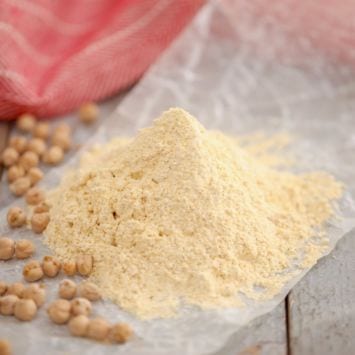
WHY YOU’LL LOVE THIS RECIPE: Chickpea flour is one of my favorite ingredients because it’s simple, versatile, and incredibly useful in everyday baking. Its popularity has grown in recent years for good reason—it adds flavor, structure, and nourishment with almost no effort. I adore making flatbreads from around the world, so knowing how to make my own chickpea flour in minutes was important, as I never had it to hand and didn’t need a whole bag. For the best results, you need a high-powered blender like a NutriBullet, Ninja, or Vitamix to really grind down the hard peas into fine flour. You will yield more flour and waste less if it is extremely fine.
- One-Ingredient Wonder: Made from dried chickpeas only—no fillers, blends, or additives
- Effortless to Make: Just a food processor or blender and a few minutes from start to finish
- Naturally Gluten-Free: A reliable option for gluten-free baking without complicated substitutes
- Flavor-Boosting: Adds a subtle nutty taste and great texture to both sweet and savory recipes
- Pantry-Friendly: Affordable, easy to store, and ready whenever you need it
Bold Bakers Loved This!
“I love how simple this is—one ingredient and a blender is exactly what I need. I’ve been buying chickpea flour for years and can’t believe I never thought to make it myself.” — Emily R.
“This was so helpful. The explanation about texture and why chickpea flour works so well in baking really clicked for me. Definitely adding this to my pantry routine.” — Mark L.
“I tried this and it turned out perfectly. The flavor is so fresh compared to store-bought, and I love knowing exactly what’s in it. Such a great staple to have on hand.” — Sofia M.
IMPORTANT NOTES: This recipe was improved and updated on 1/11/2026, to include explanations of the key ingredient, make-ahead and storage instructions, ways to use chickpea flour, answers to the most frequently asked questions, and Pro Chef Tips.
Table of Contents
- What is Chickpea Flour
- Key Ingredient
- Tools You Need
- How to Make Chickpea Flour
- Gemma’s Pro Chef Tips
- Make Ahead and Storage Instructions
- Ways to Use Chickpea Flour
- FAQs
- More Homemade Substitutes
What is Chickpea Flour
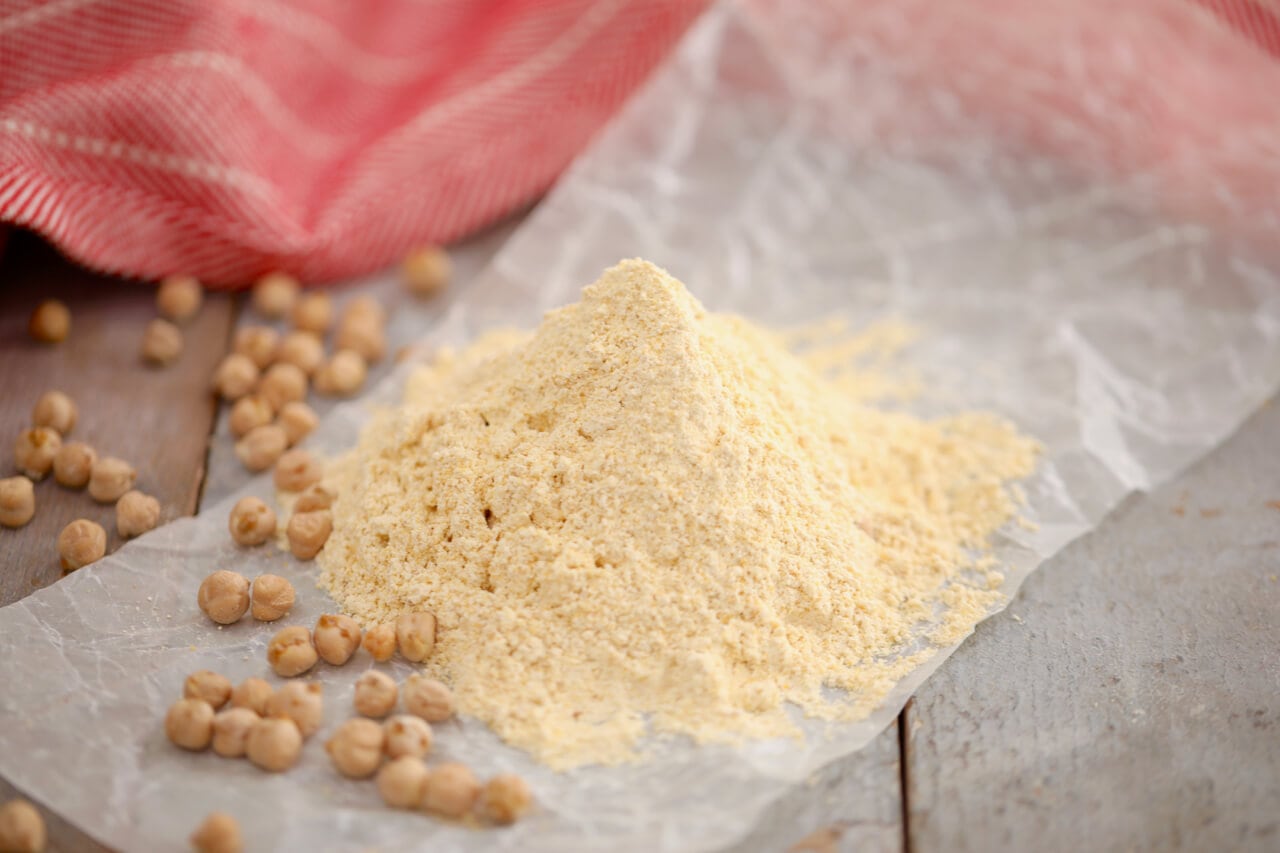
Chickpea flour, also known as garbanzo bean flour, gram flour, or cici bean flour, is popular in the Middle East and widely used in both sweet and savory dishes.
Key Ingredient
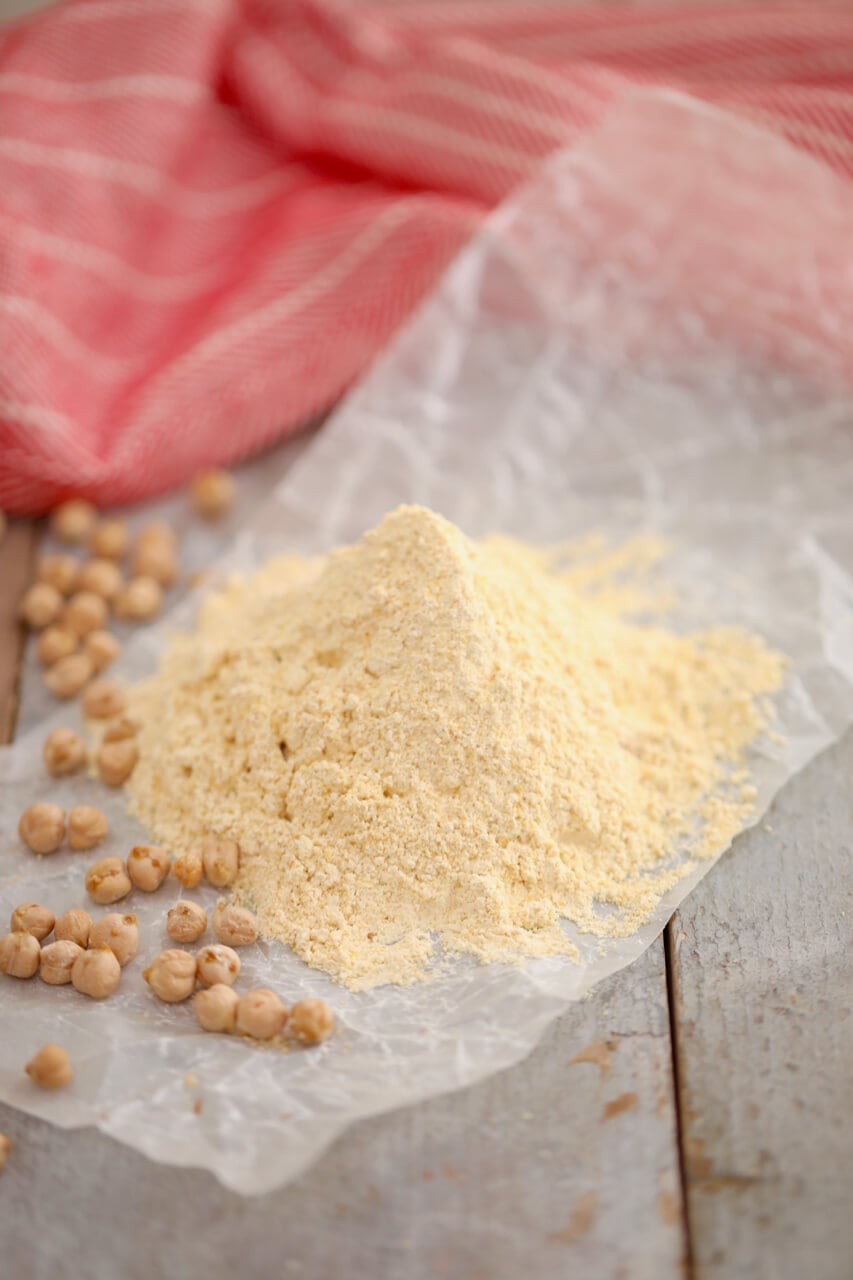
Dried Chickpeas
The single, simple ingredient you need. These legumes are naturally gluten-free, packed with protein and fiber, and create a flour that’s versatile for both sweet and savory recipes.
- Nutrient-Rich: Chickpeas are full of protein, fiber, and essential minerals like iron and magnesium, making your baking a little healthier without sacrificing flavor.
- Flavor Enhancer: When ground into flour, chickpeas develop a subtle nutty taste that adds depth to pancakes, crepes, cookies, and breads.
- Texture Booster: Chickpea flour improves structure and crumb in gluten-free baking, giving a soft yet sturdy texture that’s hard to achieve with other flours.
- Pantry-Friendly: Dried chickpeas store for months, making this flour easy to make on demand and perfect for keeping your pantry stocked.
Tools You Need
- Measuring cup
- High-speed blender or food processor
- Fine-mesh sieve
- Airtight container
How to Make Chickpea Flour
- Blend Chickpeas: Using a high powered blender (like a NutriBullet, Vitamix or Ninja), blend the chickpeas for roughly 2 minutes until fine and the consistency of flour.
- Sieve Flour: Sieve the chickpea flour to remove any lumps.
- Store Flour: Store in a labeled airtight container for 8 weeks, or in the fridge for up to 4 months.
FULL (PRINTABLE) RECIPE BELOW!
Gemma’s Pro Chef Tips
- Use a High-Powered Blender: For the smoothest flour, a Vitamix, Ninja, or NutriBullet works best. A standard blender or food processor will work but may take longer.
- Sift for Fineness: Sifting ensures there are no lumps, giving your baked goods a lighter texture.
- Small Batches: Blend in small amounts if your blender struggles with a large batch—this avoids uneven grinding.
- Cool Before Storing: Let the flour cool completely after blending if your blender warms it up. This prevents moisture buildup in storage.
- Label and Date: Always mark your container so you know how long it’s been stored—freshness matters for flavor and texture.
Make Ahead and Storage Instructions
- Make Ahead: You can grind your chickpeas into flour up to 8 weeks in advance—a simple way to have this gluten-free staple ready whenever you need it.
- Room Temperature Storage: Store chickpea flour in a labeled airtight container in a cool, dry place for up to 8 weeks.
- Refrigerator Storage: For longer freshness, keep in the fridge for up to 4 months.
- Tip for Best Results: Always sieve after blending to remove lumps and maintain a fine, smooth texture.
- Label Your Flour: Mark your container with the date so you always know how fresh it is.
Ways to Use Chickpea Flour
1. Baking Sweet Treats
- Cakes & Cupcakes: Use chickpea flour to add structure, moisture, and a subtle nutty flavor. Perfect for gluten-free or protein-packed cakes.
- Cookies & Blondies: It gives chewiness and helps bind ingredients without needing extra eggs. Works well in chocolate chip cookies or oatmeal bars.
- Muffins & Quick Breads:Chickpea flour blends nicely with oat, almond, or all-purpose flour to create moist, dense baked goods.
2. Savory Bakes & Breads
- Gluten-Free Breads: Adds protein and firmness to yeast and quick breads. Works in combination with almond or oat flour.
- Flatbreads & Roti: Popular in Indian cuisine, chickpea flour creates soft, flavorful flatbreads.
- Savory Muffins or Scones: Use with herbs, cheese, or vegetables for a filling breakfast or snack option.
3. Pancakes, Crepes & Waffles
- Socca (Chickpea Flatbread): A classic Mediterranean street food. Just chickpea flour, water, olive oil, and seasonings.
- Savory Crepes: Blend chickpea flour with water, eggs (optional), and spices for a protein-rich crepe base. Fill with veggies, cheese, or meat.
- Waffles: Mix with other gluten-free flours to make crispy, protein-packed waffles for breakfast.
4. Thickening & Binding
- Soups & Stews: Chickpea flour can thicken creamy soups, sauces, or gravies without adding gluten.
- Fritters & Patties: Use as a binder for vegetable, lentil, or seafood fritters. It holds everything together better than plain flour.
- Batter for Frying: Make pakoras, bhajis, or crispy veggie tempura by combining chickpea flour with water and spices.
5. Egg Substitutes
- Vegan Baking: Chickpea flour mixed with water (roughly 1 tablespoon flour + 3 tablespoon water = 1 egg) works as an egg substitute in cookies, pancakes, and muffins.
- Scrambles & Omelets: Combine chickpea flour with water, spices, and vegetables for a vegan scramble that mimics eggs in texture.
6. Everyday Cooking Uses
- Pasta & Noodles: Blend into gluten-free pasta or dumpling dough.
- Pizza Crust: Use as a base or mixed with other flours for a protein-rich, gluten-free pizza crust.
- Sauce & Batter Coatings: Use chickpea flour to coat chicken, tofu, or vegetables before baking or frying for crispiness.
7. Nutritional Boosts
- Protein & Fiber Add-In: Add a few tablespoons to smoothies, yogurt, or pancake batter for extra protein and fiber.
- Gluten-Free Meal Enrichment:Chickpea flour naturally enhances the nutritional profile of breads, muffins, and casseroles.
FAQs
Can I use garbanzo beans instead of chickpeas?
Yes! Garbanzo beans and chickpeas are exactly the same legume—the only difference is the name.
- Chickpea: The term “chickpea” is more common in English-speaking countries, especially the U.S. It’s used frequently in recipes, such as chickpea flour, hummus, or roasted chickpeas.
- Garbanzo Bean: “Garbanzo” comes from Spanish and is widely used in Latin American and Mediterranean cooking. You’ll often see canned garbanzo beans labeled this way.
Can I use canned chickpeas to make chickpea flour?
No, only dried chickpeas work for flour. Canned chickpeas have too much moisture and won’t grind into a fine, dry flour.
Can I substitute chickpea flour 1:1 for all-purpose flour?
Not exactly. Chickpea flour is denser and absorbs more liquid. A general guideline is ¾ cup chickpea flour for 1 cup all-purpose flour.
Can I mix chickpea flour with other gluten-free flours?
Absolutely. Mixing with almond, oat, or rice flour can improve texture and flavor in baked goods.
How fine should I grind chickpeas for flour?
Grind until the consistency is fine powder—smooth and free of lumps. Sifting helps achieve a uniform texture.
Does chickpea flour taste “bean-y”?
It has a mild nutty flavor. When used in sweet or savory recipes, it blends beautifully without overpowering other ingredients.
Can chickpea flour be used as an egg substitute?
Yes! Mix 1 tablespoon chickpea flour + 3 tablespoons water = 1 egg in vegan baking. It also works in scrambles and omelets.
What can I make with chickpea flour?
Chickpea flour works in sweet and savory baking—cakes, cookies, crepes, pancakes, flatbreads, fritters, and even as a thickener or egg substitute in vegan recipes.
How do I prevent chickpea flour from clumping?
Store in an airtight container in a cool, dry place, and always sift before using. Avoid moisture or strong odors nearby.
More Homemade Substitutes
- The Best Sugar Substitutes
- 12 Best Egg Substitutes
- How to Make Buttermilk Substitute
- Perfect Homemade Corn Syrup Substitute
- DIY Cake Flour Substitute
IMPORTANT NOTES: This recipe was improved and updated on 1/11/2026, to include explanations of the key ingredient, make-ahead and storage instructions, ways to use chickpea flour, answers to the most frequently asked questions, and Pro Chef Tips.
Try These Recipes!
Watch The Recipe Video!
How to Make Chickpea Flour

Ingredients
- 3 cups (7 oz/196 g) chickpeas , raw and dried
Instructions
- Using a high powered blender (like a nutri-bullet, Vitamix or Ninja), blend the chickpeas for roughly 2 minutes until fine and the consistency of flour.
- Sieve the chickpea flour to remove any lumps.
- Store in a labeled airtight container for 8 weeks, or in the fridge for up to 4 months.
Recipe Notes
- Use a High-Powered Blender: For the smoothest flour, a Vitamix, Ninja, or NutriBullet works best. A standard blender or food processor will work but may take longer.
- Sift for Fineness: Sifting ensures there are no lumps, giving your baked goods a lighter texture.
- Small Batches: Blend in small amounts if your blender struggles with a large batch—this avoids uneven grinding.
- Cool Before Storing: Let the flour cool completely after blending if your blender warms it up. This prevents moisture buildup in storage.
- Label and Date: Always mark your container so you know how long it’s been stored—freshness matters for flavor and texture.









I do not understand why some people are talking about consuming raw beans in the comments… who said anything about eating the chickpea flour raw?? She is simply showing how to make into a flour… who eats raw flour? Of course you would COOK the flour into whatever recipe you want. People are strange and find the strangest things to comment on. Okay. I’m done. Be blessed lovely people❤
In my country, Bangladesh (Indian subcontinent) we used to eat raw (just soaked) chickpeas salad.
No problem shown at all.
Though chickpea is legume and its a member of bean family but its not toxic at all.
And not-boiled chickpea powder is also safe to eat.
Dear Gemma,
I have heard that grams and beans are sprayed with boric powder (for store shelf life) ; hence we need to wash them thoroughly before soaking for cooking.
So how can we grind them directly.
Wouldn’t it mean we are eating that along with the chickpeas too?
Please shed some light on this matter and if possible, a solution as well.
Thanks and regards,
Shahin.
Can you dry canned chickpeas to grind into flour?
Actually the end product from this is flour that is cooked into seitan or baked goods, do the chickpeas are cooked before consumed. I don’t think one would eat the flour without cooking it. I do roast and cool mine before grinding, placing in a canning, placing a dated label on the lid, and storing in the fridge (up to 2 months). Great instructional post, Gemma.
Eating raw beans may kill you, as raw beans “contain a compound called lectin. Lectins are glycoproteins that are present in a wide variety of commonly-consumed plant foods. Some are not harmful, but the lectins found in undercooked and raw beans are toxic.” From the CDC.
the excess chick pea meal can be cooked with water and turned into humus – or put into soups, with todays prices I throw nothing away.
Hi Gemma,
I’ve been following your great recipes from YT,
as regards preparing the chickpea flour my packet
says ROASTED CHICKPEAS will I be able to grind them
and turn the packet into flower? My food processor is a Russell Hobbs.
Thanks always for everything. Lis xxx
HI Gemma! 2 of my 3 teenagers have to eat chickpeas or chickpea flour in something a few times a week for a food allergy program they are doing (to be desensitsed to peanuts and other things). So as part of the process they have to eat foods that share common proteins with their offending allergen. So, I was so excited to find your website! Can you tell me some good recipes to use chickpea flour in? Most that I find are for people that love chickpeas and or eating a very vegetarian diet. However my kids don’t like them… Read more »
Hi Gemma, I’m using raw handpicked (meaning from my garden) garbonzo beans. Do I need to soak or cook them, dry thoroughly then blend for flour?