This post may contain affiliate links. Please see my full disclosure for details.
Hi Bold Bakers!
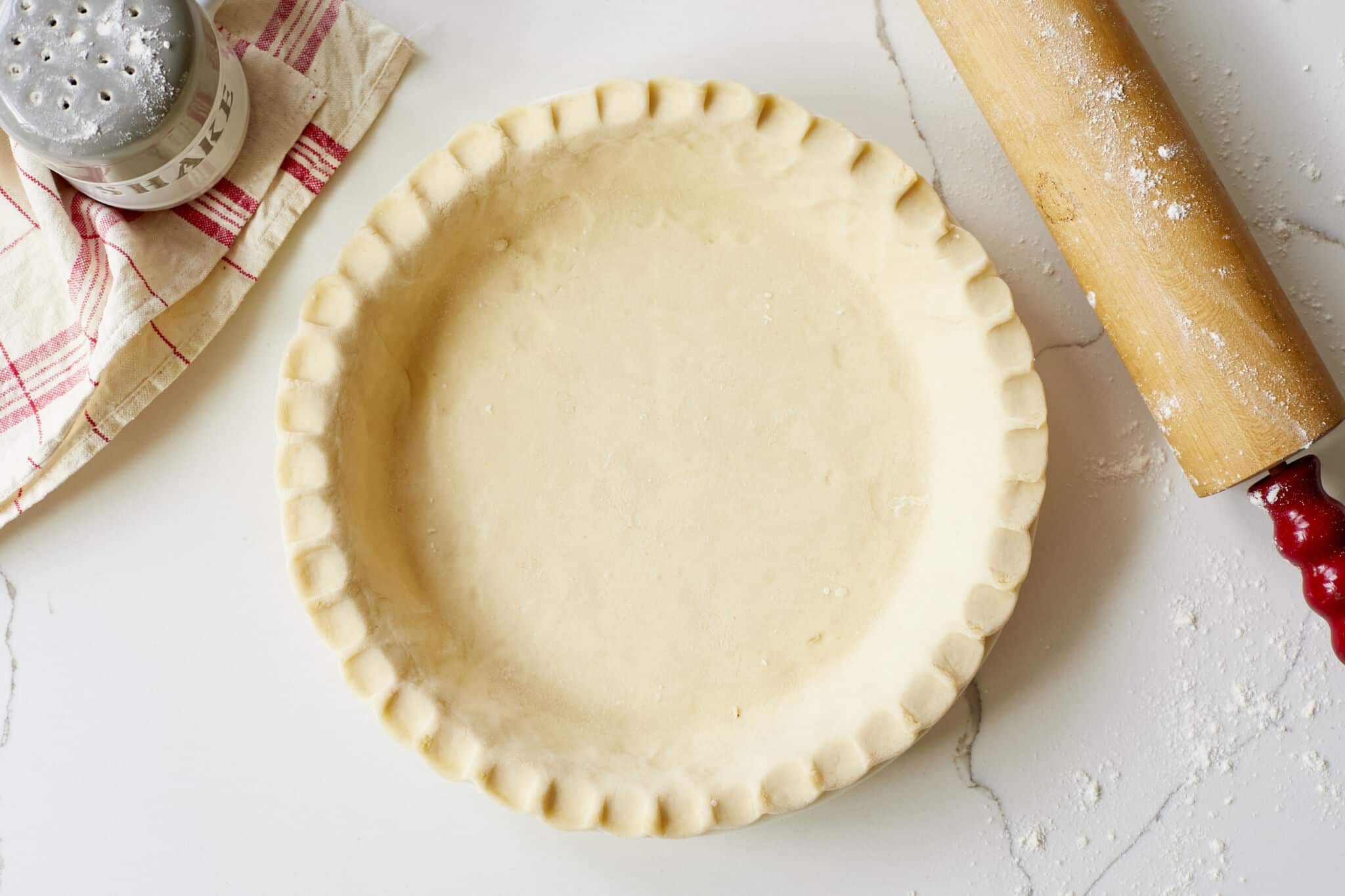
WHY YOU’LL LOVE THIS RECIPE: My Best All Butter Pie Crust Recipe is an exquisitely tender pie crust that will elevate any pie or tart recipe. This pastry has a melt-in-your-mouth texture and a rich, indulgent flavor!
- Incredibly rich flavor: Using the creaming technique without ice water ensures you’ll taste the rich, flavorful 82% Plugrà Premium European Style Butter all through the pastry.
- The mixer does the work: The process is quick, and your hands won’t get messy!
- Effortless rolling: Plugrà is slow churned for smooth, workable butter that’s ideal for pastry.
- Supremely tender: Because Plugrà contains 82% butterfat (compared to regular American butter, with 80% butterfat), it has less water, which means less gluten development and the tenderest pie crust.
- Easy! In my recipe, you don’t have to worry about keeping your butter ice-cold, and there’s no fuss about how much liquid to use, because the ingredients are simply flour, sugar, egg, and butter.
- Pastry like no other: This homemade pie crust has a buttery and crumbly texture you’ll absolutely adore!
As a professional chef, I know better butter matters when baking. I always choose Plugrà Premium European Style Butter because it is formulated with 82% butterfat and slow-churned for consistent results, superior texture, and richer flavor. To create the perfect pastry—sweet or savory—using high-quality ingredients makes a big difference for tender, rich results.
To this day, I feel very fortunate to have attended one of the world’s best cookery schools, Ballymaloe in West Cork, Ireland, run by legendary chef Darina Allen. I just knew I was meant to be there. I’ve returned to Ballymaloe often because my time spent at the school is one I cherish, and it cemented my passion for food. This recipe is based on Darina’s recipe and creamed butter technique. As an Irish woman, and a chef I know good butter which is why I use 82% Plugrà Premium European Style Butter which guarantees you will consistently get the absolutely best results. This perfect pie crust is also wonderful for my Irresistible Buttermilk Pie, Gemma’s “The Whole Lemon” Tart Recipe, and I especially love using this crust for my Classic Irish Apple Tart.
IMPORTANT NOTE: This recipe was improved and updated on 10/23/2025, to include a NEW step-by-step tutorial video, NEW step-by-step photography, make-ahead and storage instructions, and Pro Chef Tips.
Table of Contents
- What is the Best All Butter Pie Crust Recipe?
- Tools You Need
- Key Ingredients
- How to Make Best All Butter Pie Crust
- Gemma’s Pro Chef Tips
- Make-Ahead and Storage Instructions
- FAQs
- More Pie Crust Recipes
What is My Best All Butter Pie Crust Recipe?
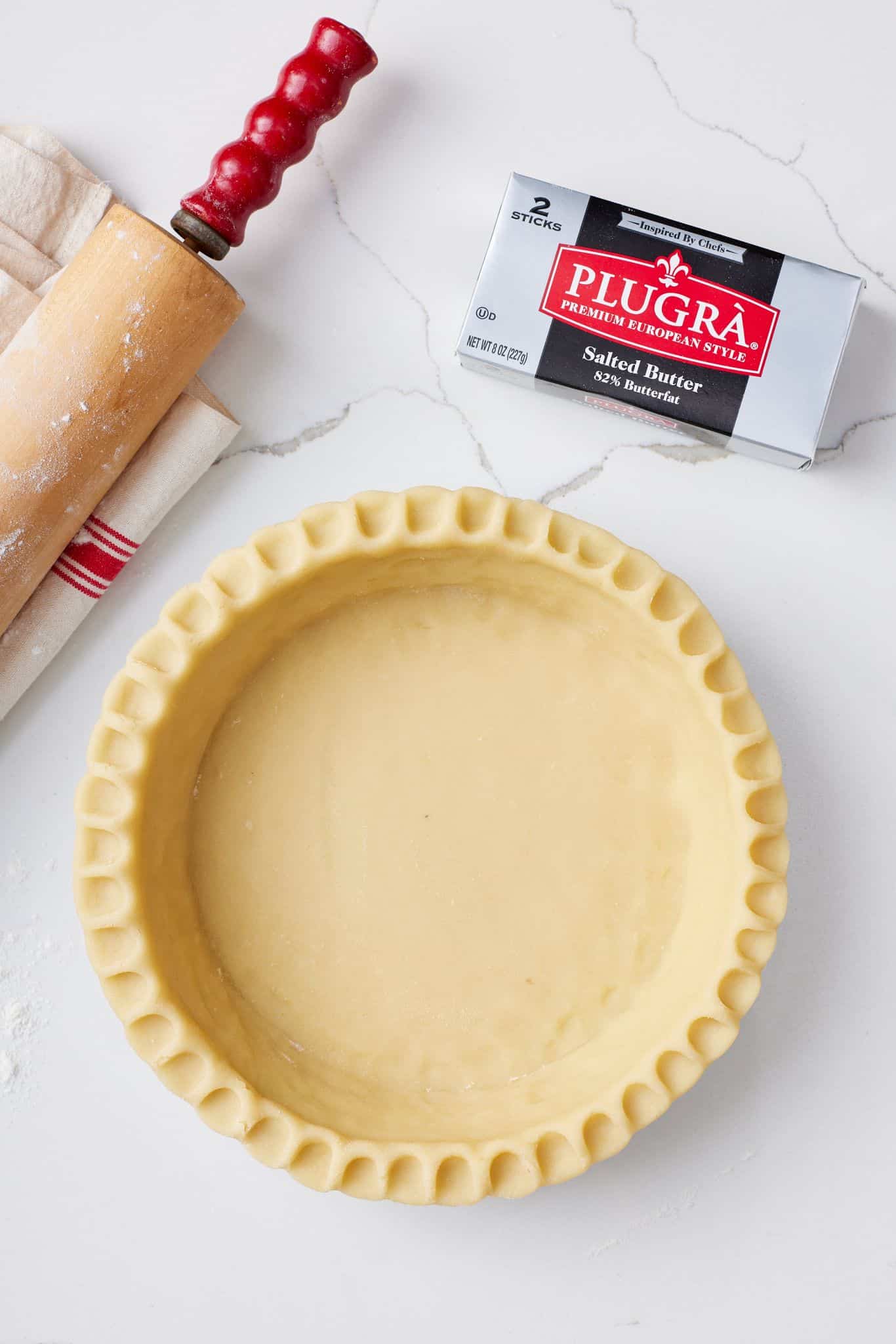
My Best All Butter Pie Crust Recipe is a sweet shortcrust pastry. “Short” here means the crust falls apart easily into small pieces because it has a higher fat content than standard pie crust. Additionally, shortcrust recipes do not include water. Therefore, gluten strands are not formed, resulting in a crumbly texture for the crust.
- A creaming technique is used in this recipe—the butter and sugar are beaten together until light and fluffy before adding the egg and flour. Creaming ensures you get a tender and delicate shortcrust.
- Flavor: Buttery, lightly sweetened.
- Texture: Tender, melt-in-your-mouth.
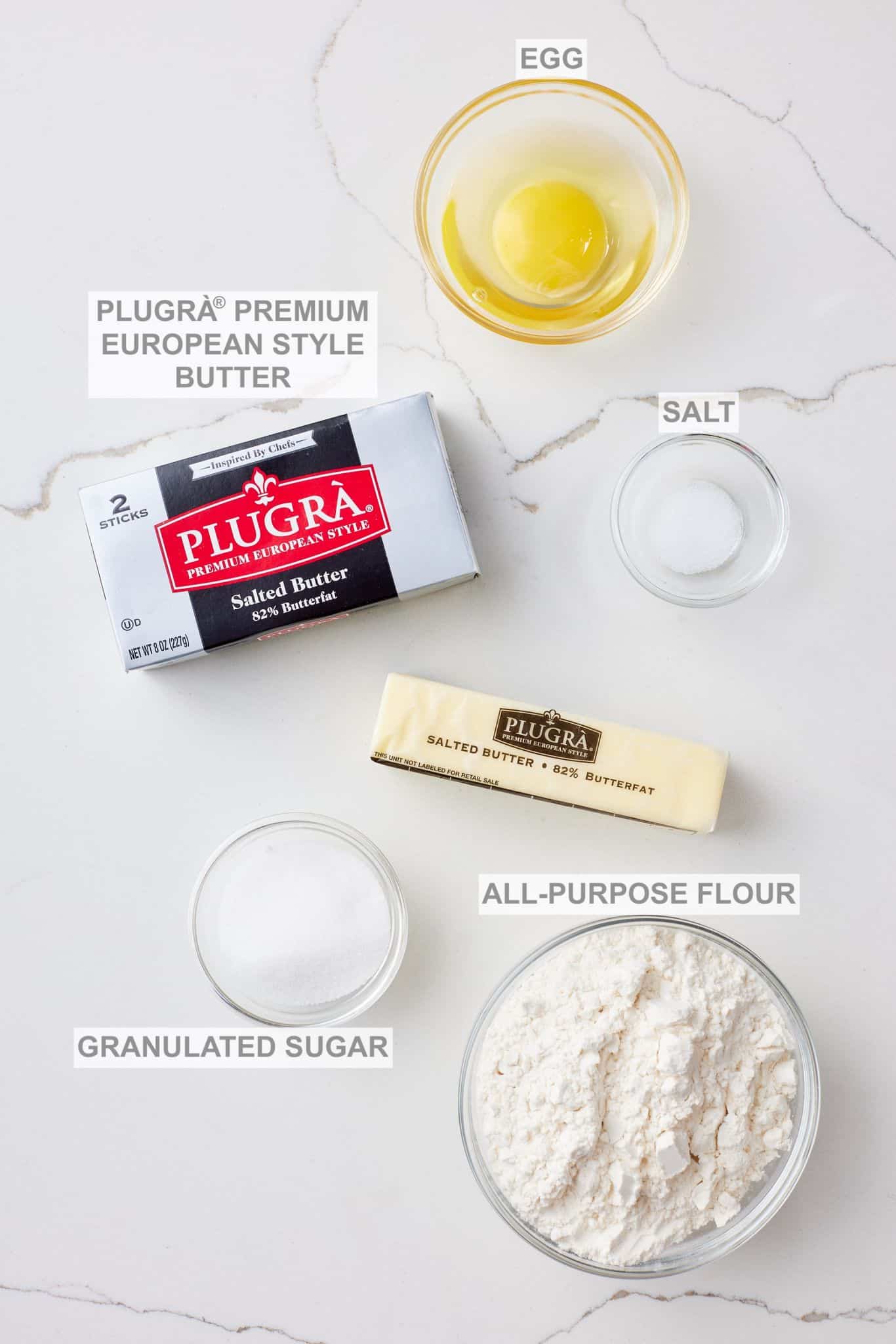
- Main ingredients: Salted 82% Plugrà Premium European Style Butter, granulated sugar, egg, and all-purpose flour.
- Great for: Custard pies, one-crust pies, tarts, family dinners, parties, Thanksgiving, winter holidays, Christmas, New Year’s Eve
- The first records of shortcrust pastry date back to 14th-century England. At that time, “short” meant easily crumbled, especially compared to “long” crusts of the time, which were sturdy, tougher pastries.
Tools You Need
- Mixing bowl
- Measuring spoons
- Measuring cups
- Glass measuring jug
- Kitchen scale (optional)
- Electric hand mixer (optional) or a whisk
- Rolling pin
- Pie dish
Key Ingredients
82% Salted Plugrà Premium European Style Butter
- Plugrà Premium European Style Butter contains approximately 82% butterfat, which gives it rich flavor and low moisture.
- Importantly, this high-fat percentage helps coat the flour, inhibits gluten formation, and forms a wonderfully crumbly, not chewy, texture.
- Significantly, because Plugrà Premium European Style Butter has more butterfat and less water than standard American butter, it lets the butter and flour whip up smoother and lighter to create a melt-in-the-mouth texture.
- It’s important to use room temperature butter here. You know your butter is at the right temperature when you push the butter and it makes an indent, but your finger doesn’t easily squish right through. Here are my tips to get your butter to room temperature.
Granulated sugar
- Granulated sugar lightly sweetens the pastry.
- The sugar contributes to the texture by aerating the pastry by incorporating air and retaining air. When sugar is creamed with the butter, it dissolves in the film on the surface of the air bubbles. This sugary syrup film prevents the bubbles from drying out and tightening up too fast.
Egg
- Using a whole egg in this all butter pie crust helps make it easier to work with.
- The egg is a binder, holding the pastry together. The proteins in the egg white provide structure, and the fat in the egg yolk contributes to the pastry’s tenderness.
- In addition, the egg adds rich flavor and contributes to the golden-brown color.
All-purpose flour
- All-purpose flour has a protein content of around 9-11%, which is perfect for forming the needed amount of gluten to give the buttery pastry recipe enough structure while still keeping it tender.
- Substitute: If you would like a gluten-free pie crust, you can use a 1:1 gluten-free baking mix, like my Easy Almond Flour Baking Mix, or another gluten-free flour, instead of the all-purpose flour.
Salt
- Salt brings out butter’s richness and balances sweetness, and adds depth to prevents the crust from tasting flat.
- It also helps the dough hold together while staying tender.
How to Make All Butter Pie Crust
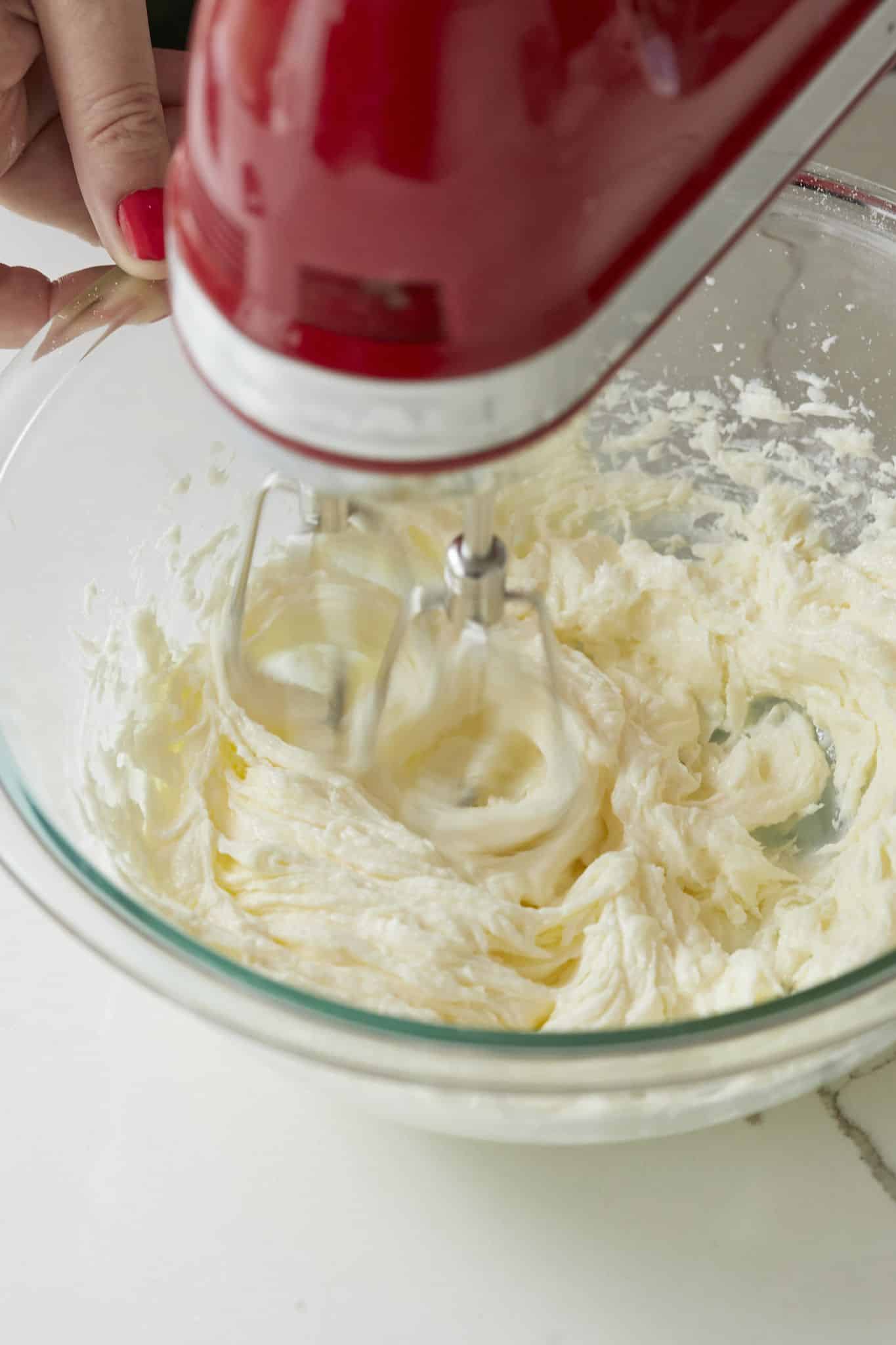
- Cream ingredients: Cream the butter and sugar in a stand mixer (or in a bowl with a wooden spoon or fork ) until light and fluffy.
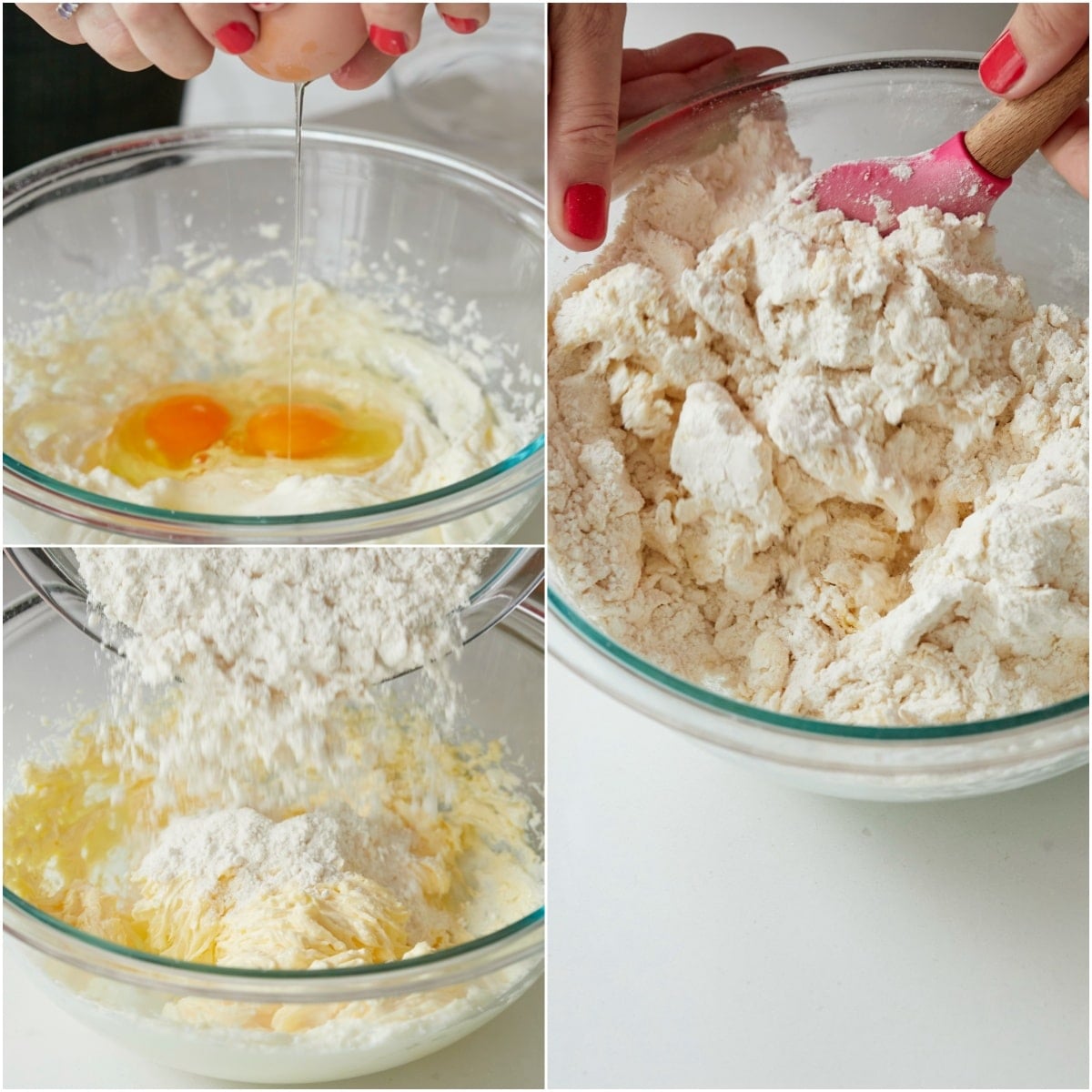
- Finish mixing dough: Add the other ingredients. Beat in the egg, scraping down the sides of the bowl twice to thoroughly combine the mixture. Mix in the flour and salt until just combined.
- Shape: Shape the dough into a disc shape and chill in the refrigerator for at least two hours.
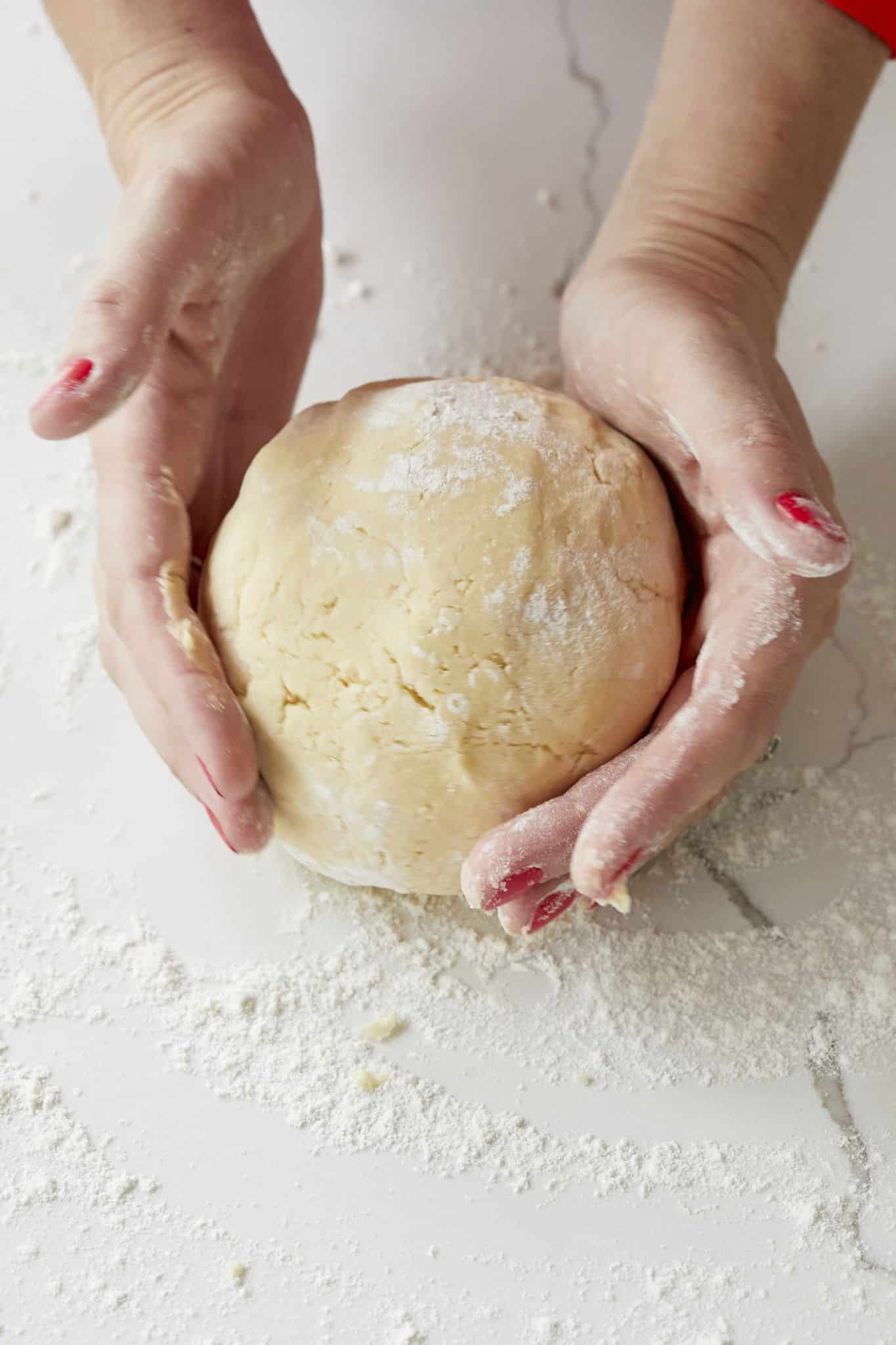
- Chill: Shape the dough into a flat disk, wrap well with plastic wrap, and refrigerate for at least 2 hours (up to 2 days) before using. For longer storage, freeze for up to 2 months. Defrost in the refrigerator overnight.
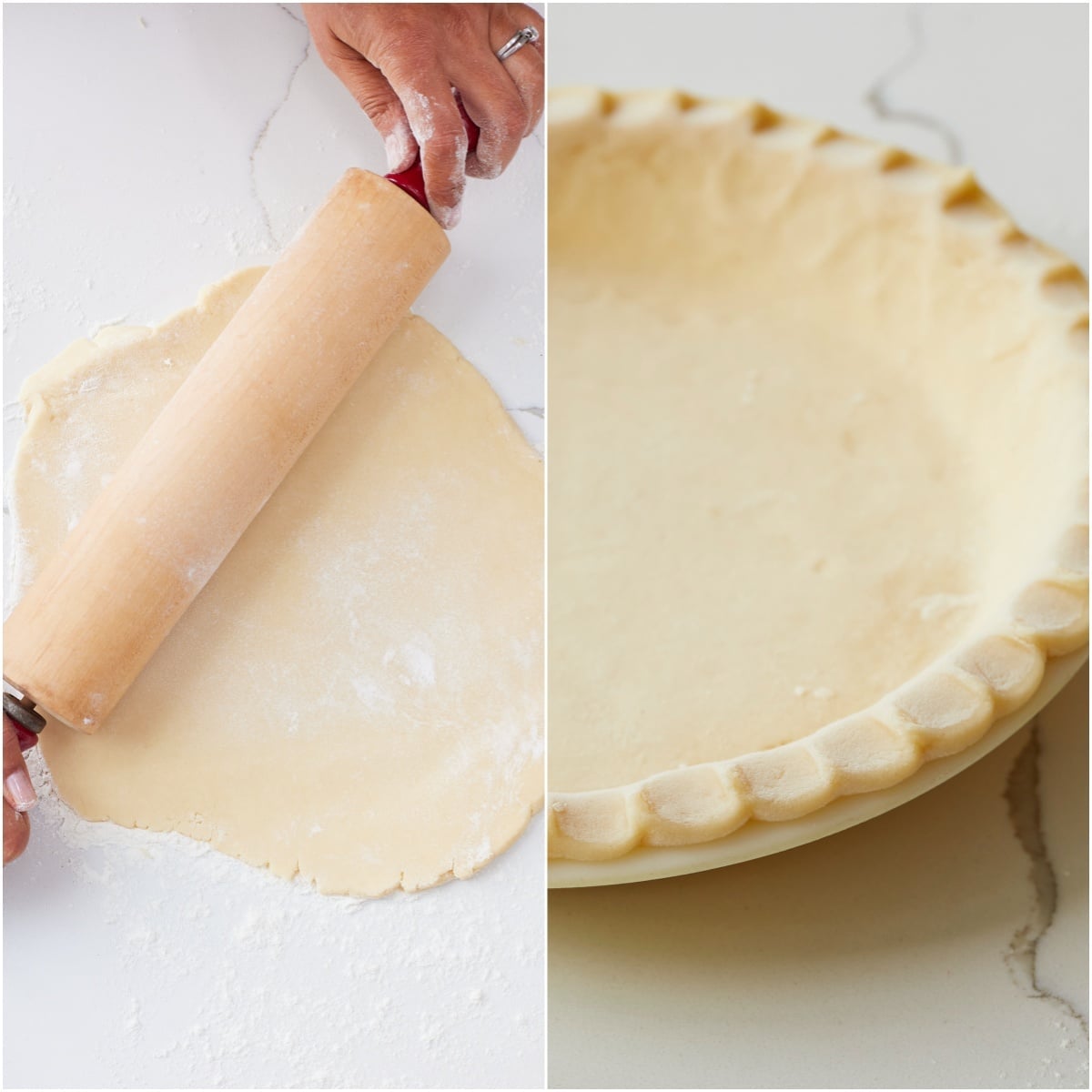
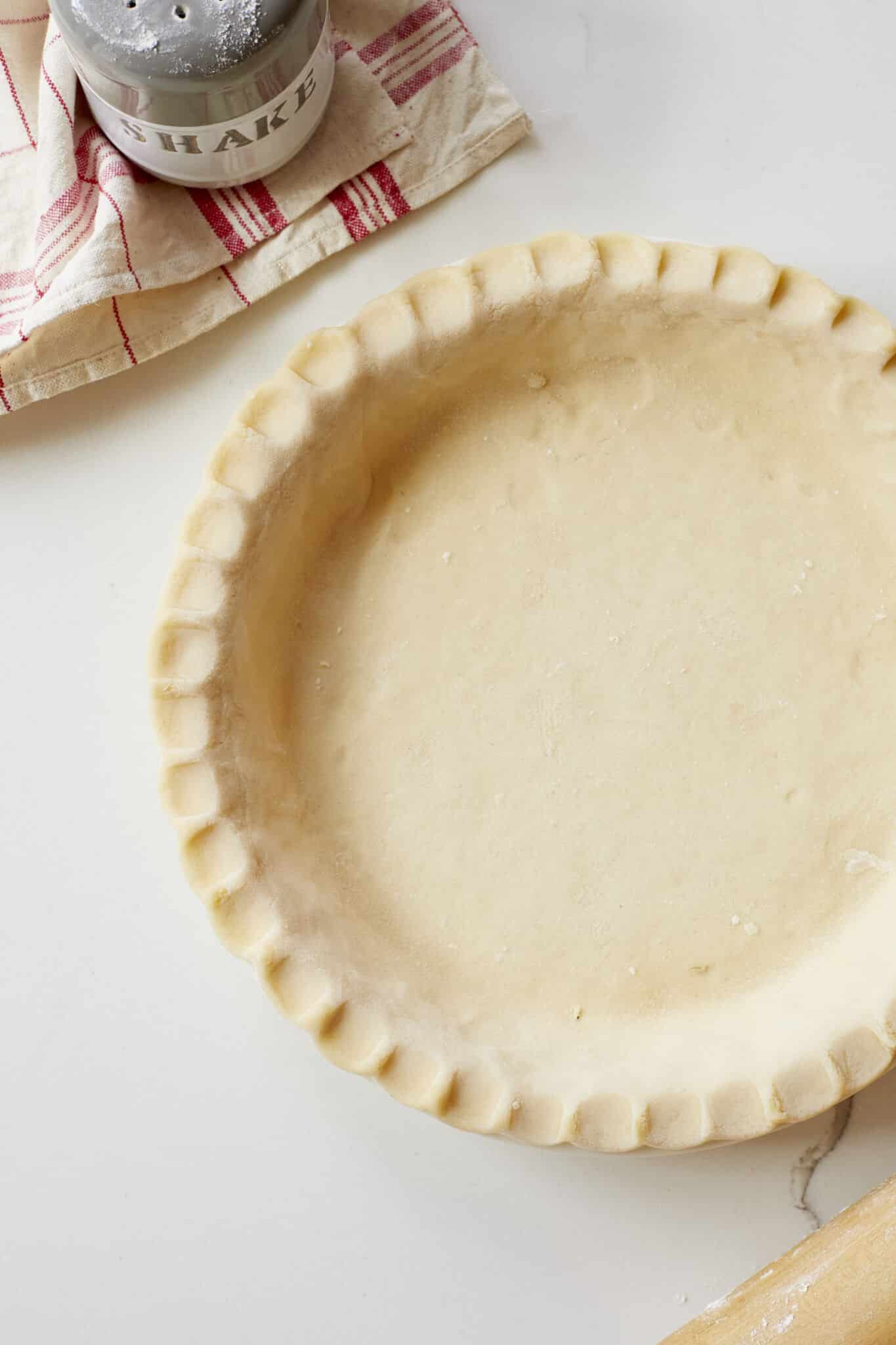
- Prep for baking: On a floured work surface, roll out the pastry to ¼ inch thick. Press into your pie plate, crimp the edges, and use a variety of my galettes and favorite pie recipes like my pumpkin pie, pecan pie, and upcoming Chocolate Silk Pie.
FULL (PRINTABLE) RECIPE BELOW!
Gemma’s Pro Chef Tips
- Perfect Temperature: For the best results, the butter should be at a cool room temperature, and not too soft or melty.
- Use Quality Butter: I use ‘Salted’ Plugrà® Premium European Style Butter for the extra extra. It really enhances the flavor in the pastry.
- Chill First: Make sure your dough is chilled before rolling.
- Roll Cold: When rolling the dough, take it cold from the fridge and roll. This pastry is softer by nature, so for best results, roll it while very cold.
- Rolling Tip: Note that due to the creaming, this pastry is on the softer side to handle. I have the best results when I take it cold from the fridge and roll it straight away, without waiting for the pastry to soften at room temperature. The faster you work, the easier it is to handle.
- Crust Options: You can use this for either a pie or a tart.
- Be Prepared!: Double or triple the recipe to make it easily accessible for the busy holiday pie season! To make it easier to handle such a big batch, you can use a stand mixer. After you’ve made the pastry dough, divide, wrap in cling film, and freeze for up to two months.
- Freeze Ahead: Make my xx pie crust and freeze for up to 2 months. Defrost in the fridge overnight when ready to use.
- Blind bake option: If you want to blind bake, follow these instructions on How to Blind Bake a Pie Crust.
- Holiday-ready: Use this Best All Butter Pie Crust Recipe for holiday-ready desserts like Mince Pies or tartlets (and be sure to check out my recipe for Homemade Mincemeat) or Cranberry Orange Crumb Tart with softly whipped cream.
Make-Ahead and Storage Instructions
- Note that this pastry must be chilled for at least two hours before using.
- This pie crust dough will keep in the fridge for up to two days.
- Shape it into a disc (or discs if you double the recipe!) and wrap well before refrigerating.
- You can also freeze the pastry.
- Wrap well, place in a freezer bag, and freeze for up to two months.
- Defrost the pastry overnight in the fridge before using.
FAQs
Can I make this all-butter pie crust gluten-free?
- Yes, you can make this all-butter pie crust gluten-free.
- If you’d like a gluten-free pastry option, you can use Gluten-Free all-purpose blend flour in this recipe.
Is this pie crust suitable for blind baking?
- Yes, this creamed butter, from scratch pastry, is excellent for blind baking.
- Blind baking is fully or partially baking a pie crust before filling so that it doesn’t get soggy.
- Some pies need pre-baking love so they don’t get soggy. The unbaked pie shell is filled with pie weights, raw rice, or dried beans and baked for about 20 minutes.
- Blind baking is often used for pies that have a very wet filling. Blind baking a pie crust is also necessary when it will be filled with an unbaked filling.
- Some pies that require a blind-baked crust include Irish Whiskey Butterscotch Pie and Easy Treacle Tart.
Can I use a stand mixer instead of an electric hand mixer?
- Yes, you can use a stand mixer instead of an electric hand mixer, or even mix by hand with a whisk.
- An electric hand mixer is the best choice here, because it mixes more gently, so you get a light and fluffy, but not overly aerated result when you’re creaming.
- Additionally, gentle mixing means there’s less chance of developing too much gluten.
How can I use this all butter pie crust in my favorite pie recipes?
- This All Butter Pie Crust Recipe is great in a citrus pie or tart like my Whole Lemon Tart, Lemon Blueberry Pie, and Best Lemon Meringue Pie.
- It’s also wonderful used with custard pies, such as Maple Cream Pie, Sour Cream and Raisin Pie, or Southern Egg Custard Pie.
- This butter crust is fabulous in pumpkin pies such as my Best Pumpkin Pie Recipe, Chocolate Pumpkin Pie, and Warm Chai Pumpkin Pie.
- And in double crust pies, it will also work well as the top crust (or use the excess dough to cut out shapes for decoration): Delectable Caramel Apple Pie, Tart & Sweet Blueberry Cranberry Pie, Fresh Blueberry Strawberry Pie, Pear Butterscotch Pie, and Classic Irish Apple Tart.
Why is this softened butter used instead of cold butter in this recipe?
The primary difference between a “creamed butter pie crust” and a “cold butter pie crust” is in the method of incorporating the butter into the pie dough, which can affect the texture and characteristics of the crust.
The choice between a creamed butter pie crust and a cold butter pie crust depends on the desired texture, flavor, and the type of pie you’re making.
Creamed Butter Pastry
- A creamed-butter pastry relies on the air incorporated from whipping butter and sugar until fluffy to create air pockets to make the pastry rise. The butter is first mixed with sugar until it becomes creamy and smooth, much like the process of creaming butter and sugar in cookie dough.
- This method results in a more tender and slightly sweeter crust due to the sugar content.
- The texture is generally more delicate and crumbly, with a tender, melt-in-your-mouth quality.
- Creamed butter pastries are often used for sweeter pies, such as fruit pies, where the sweetness and tenderness complement the filling.
Cold Butter Pastry
- A cold-butter pie crust relies on water content in cold butter evaporating to make the crust rise. The key is to keep the butter as cold as possible to create distinct buttery layers in the crust when baked.
- In a cold butter pie crust, cold or frozen butter is cut into the dry ingredients (usually flour and sometimes a little salt) using a pastry blender or pastry cutter (or by hand) or by pulsing in a food processor until the mixture resembles coarse crumbs.
- Cold butter pie crusts have a more rustic texture.
- They are versatile and can be used for both sweet and savory pies, as the lack of sugar in the crust makes them suitable for a wide range of fillings. A flaky pie crust is perfect for double-crust pies like apple pie.
More Pie Crust Recipes
- How to Make Cookie Pie Crust
- Flaky Sour Cream Pie Crust
- How to Make Pâte Brisée
- Perfectly Flaky Savory Pie Crust
- Buttermilk Pie Crust
IMPORTANT NOTE: This recipe was improved and updated on 10/23/2025, to include a NEW step-by-step tutorial video, NEW step-by-step photography, make-ahead and storage instructions, and Pro Chef Tips.
Try These Recipes!


Watch The Recipe Video!
Best All Butter Pie Crust Recipe


Ingredients
- ½ cup (4 oz/115 g) Salted Plugrà® Premium European Style, softened
- 2 tablespoons granulated sugar
- 1 large egg , at room temperature
- 1¼ cups (6¼ oz/177 g) all-purpose flour
- ¼ teaspoon salt
Instructions
- Cream the Salted Plugra Butter and sugar together using an electric hand mixer on high speed for 2 minutes, or until light and fluffy. (You can also do this step using a hand whisk)
- Beat in the egg until combined, scraping down the side of the bowl to ensure even mixing.
- Turn the mixer to low and mix in the flour and salt until just combined.
- Shape the dough into a flat disc and refrigerate for at least 2 hours (up to 2 days) before using. For longer storage, freeze for up to 2 months. Defrost in the refrigerator overnight.
- On a floured surface roll out the pastry to ¼ inch thick. Press into your pie pan, crimp the edges and use a variety of my pies like my pumpkin pie, pecan pie and upcoming Chocolate Silk Pie.
Recipe Notes
- Perfect Temperature: For the best results, the butter should be at a cool room temperature, and not too soft or melty.
- Use Quality Butter: I use ‘Salted’ Plugrà® Premium European Style Butter for the extra extra. It really enhances the flavor in the pastry.
- Chill First: Make sure your dough is chilled before rolling.
- Roll Cold: When rolling the dough, take it cold from the fridge and roll. This pastry is softer by nature, so for best results, roll it while very cold.
- Rolling Tip: Note that due to the creaming, this pastry is on the softer side to handle. I have the best results when I take it cold from the fridge and roll it straight away, without waiting for the pastry to soften at room temperature. The faster you work, the easier it is to handle.
- Crust Options: You can use this for either a pie or a tart.
- Be Prepared!: Double or triple the recipe to make it easily accessible for the busy holiday pie season! To make it easier to handle such a big batch, you can use a stand mixer. After you've made the pastry dough, divide, wrap in cling film, and freeze for up to two months.
- Freeze Ahead: Make my xx pie crust and freeze for up to 2 months. Defrost in the fridge overnight when ready to use.
- Blind bake option: If you want to blind bake, follow these instructions on How to Blind Bake a Pie Crust.
- Holiday-ready: Use this Best All Butter Pie Crust Recipe for holiday-ready desserts like Mince Pies or tartlets (and be sure to check out my recipe for Homemade Mincemeat) or Cranberry Orange Crumb Tart with softly whipped cream.








Please would it be possible to have proper ingredient measurements either imperial or metric instead of measuring cups. I hate using measuring cups for baking, baking is a science and get much better results using weighing scales not measuring cups!
Thank You.
Lynn.
I was intrigued by the eggs and the creaming method so I gave it a try. This was delicious but cakey, not flaky. It was totally impossible to roll out cold. I had to let it soften enough to roll out and then it was difficult to handle.
Hi Gemma! I have followed you for years and your sourdough tips have helped me perfect my loaves. I can’t believe I never looked for you on FB before, but glad I finally did today. Following! I made this crust recipe for a two crust apple pie, and it is the most delicious pie crust I have ever tasted! My guy loved it, too, and he comes from a long line of pie bakers. I am new to crust – more a cake, cookie and bread baker – but this recipe was really easy to handle. Your tip about having… Read more »
Can this crust be used for fruit pies also?
Can this pie crust be baked from frozen to prevent the need for blind baking and shrinking?
All pastry made any way would be tender if 3/4 butter to flour without an egg or sugar! This is not science
Hi. Wondering if this would work with gluten free flour?
I’m sure that my Dutch mother used this creaming method but my sister insists that that’s not correct. I’ve always stuck with it as everyone loves my Apple Pies. I’ve used it for so long that I don’t even measure, so I’m grateful that I can now share your recipie instead of writing it up myself.
Thank you for sharing this recipe
Hello,
Just found this recipe and I’m very excited to try. I do have one question can I use a higher butterfat 84% rather than the 82%? Thank you.