
This post may contain affiliate links. Please see my full disclosure for details.
Hi Bold Bakers!
WHY YOU’LL LOVE THIS RECIPE: My classic Spotted Dick Recipe is a tender steamed pudding studded with currants and bursting with bright citrus flavor. Whether this beloved English dessert brings back childhood memories or you’ve never heard of it, you’ll love my foolproof recipe for this time-tested favorite.
- Classic English dessert: This traditional favorite is studded with sweet currants, bright citrus, and traditionally served warm with custard.
- Rich and tender: Cold butter adds richness, while gentle steaming creates an exceptionally soft, moist texture.
- Bright, fruity flavor: Currants and citrus balance the sweetness with little bursts of fresh, tangy flavor.
- Easy, hands-off prep: This 8-ingredient recipe takes just 15 minutes to mix up, then cooks gently on the stovetop with minimal effort.
- Flexible cooking options: You can steam, bake in a covered water bath, or microwave Spotted Dick, but I use steaming here because the gentle, moist heat gives it its signature tender texture.
- Perfect served warm: Finish each slice with a drizzle of custard sauce for a classic, indulgent dessert.
As a pro chef who was trained at the renowned Ballymaloe Cookery School in Ireland and has worked in Australia and the U.S., I have seen people delighted to see Spotted Dick pudding on the menu, and plenty who say, “What in the world is that?” Spotted Dick is a traditional English steamed pudding and a familiar school-dinner favorite, with a soft, tender crumb, sweet currants, and bright citrus flavor. It’s the kind of old-fashioned dessert that feels right at home on the holiday table.
My most important tip for this recipe is to use a traditional pudding basin, or just use what you have! Any 1-liter (about 1-quart) heatproof ceramic, stoneware, or stainless steel bowl will work well. Do not use an aluminum or plastic bowl. For more traditional treats for the season, try Traditional Christmas Pudding, Christmas Wreath Pavlova, and Mincemeat Pudding.
Table of Contents
- What is Spotted Dick?
- Tools You Need
- Key Ingredients and Substitutes
- How to Make Spotted Dick Recipe
- Gemma’s Pro Chef Tips
- Make-Ahead and Storage Instructions
- Flavor Variations and Substitutions
- FAQs
- More Easy English-Inspired Recipes

What is Spotted Dick?
Spotted Dick is a traditional English steamed pudding made with flour, dried currants, citrus zest, and fat. Unlike the creamy puddings many Americans associate with the word “pudding,” this is a soft, steamed dessert that’s traditionally served warm with custard.
The “spotted” part refers to the currants dotted throughout the pudding, and some food historians believe “dick” was an old local word for dough or pudding. “Spotted Dog” was also used as a name for this type of dessert. The first known printed recipe called “Spotted Dick” appeared in 1849 in The Modern Housewife by Alexis Soyer, a famous Victorian chef. Spotted Dick became a beloved English school-dinner and homemade favorite, and this is a true taste of one of those old-fashioned British puddings that transports people straight back to childhood.
Tools You Need
- Mixing bowl
- Measuring spoons
- Measuring cups
- Glass measuring jug
- Kitchen scale (optional)
- 1-liter (about 1-quart) pudding basin or a similar heatproof stainless steel, ceramic, or stoneware bowl
- Parchment paper
- Steamer basket
- Whisk
- Pastry blender
- Butcher’s twine
- Knife
Key Ingredients and Substitutes
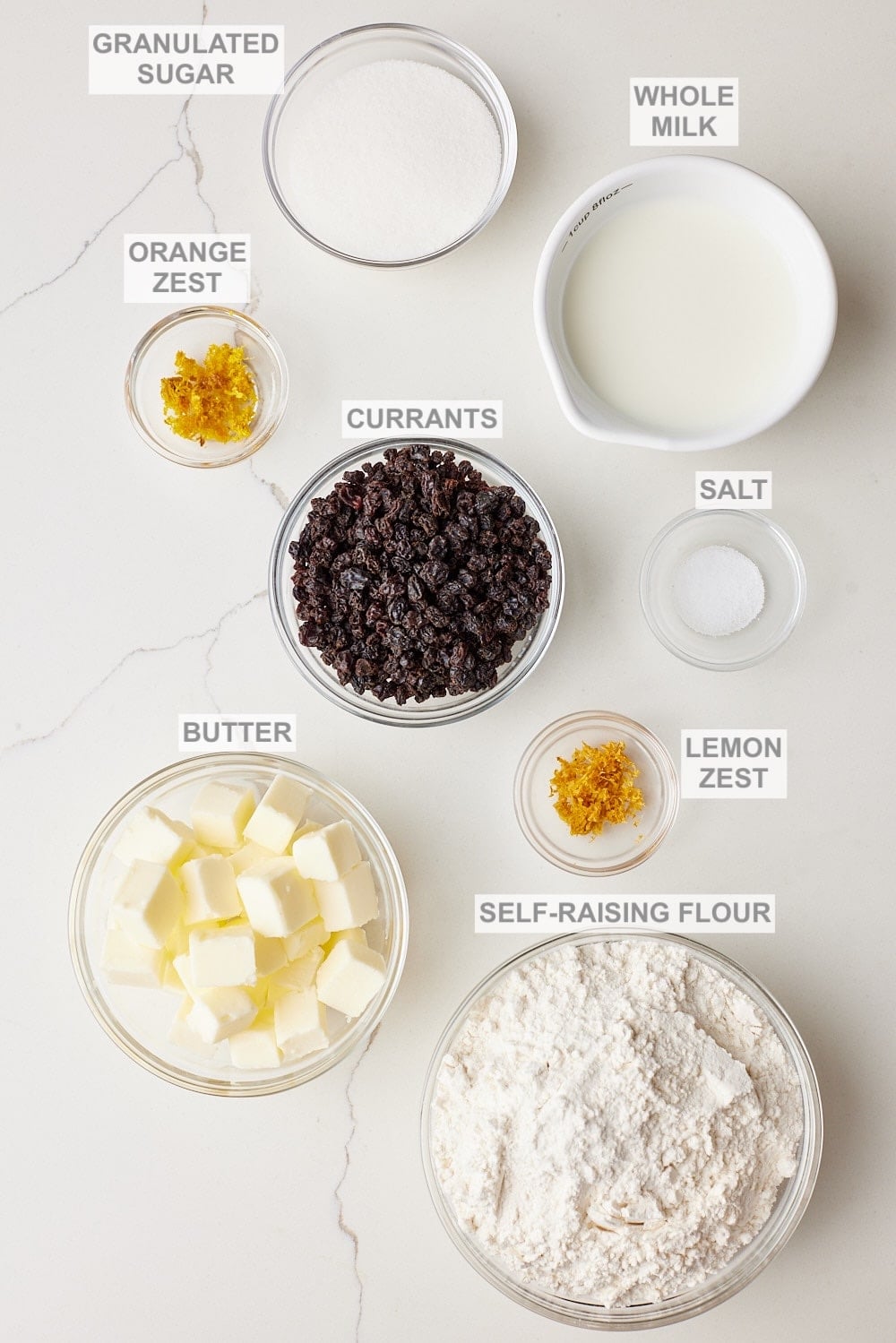
Self-raising (self-rising) flour
- Self-raising (self-rising) flour is a pre-mixed blend of plain flour, baking powder, and sometimes a pinch of salt.
- It’s a baking product that’s common in many parts of the world, including Ireland, and it’s used to make this traditional cake.
- Self-raising flour gives the pudding structure and contains the leavening needed for a soft, tender crumb.
- Substitute: You can buy self-raising flour or make your own with my simple recipe.
Granulated sugar
- Granulated sugar sweetens the pudding.
- Additionally, sugar contributes to a moist, soft texture.
- Substitute: You can use the same amount of caster sugar (superfine sugar).
Lemon zest
- Lemon zest contributes bright, fresh flavor and balances the richness and sweetness of the pudding.
Orange zest
- Orange zest, which contains highly aromatic citrus oil, adds a note of fresh floral sweetness.
Salt
- Salt enhances all of the flavors in this Spotted Dick dessert.
Butter
- Butter contributes to a plush texture and luxurious flavor.
- Cutting cold butter into the dry ingredients distributes the fat evenly throughout the dough and limits gluten development, creating a tender crumb.
- Traditional Spotted Dick is usually made with suet, but I use butter in my recipe for a rich flavor and a tender texture.
Currants
- Currants, the “spots” in Spotted Dick, give this dessert little bursts of fruity, sweet-tart chewiness.
- Substitute: You can use the same amount of raisins, but note that they are larger and sweeter than currants.
- Raisins are from different types of grapes dried for around 3 weeks in a dark brownish color. Give concentrated sweetness and give the body and thickness.
- Currants are dried from a variety of small, seedless grapes called “Black Corinth” and “Carina.” Add a slightly tart flavor and a firmer texture.
- Sultanas/golden raisins are dried from green seedless grapes and are typically coated in an oil-based solution before drying to speed up the process to have a lighter golden color. Give a softer, lighter fruit flavor.
Whole milk
- Whole milk adds moisture and richness.
- Substitute: Use the same amount of unsweetened plant-based milk, like almond milk or oat milk, if you prefer.
How to Make Spotted Dick Recipe
To Prepare the Steamer
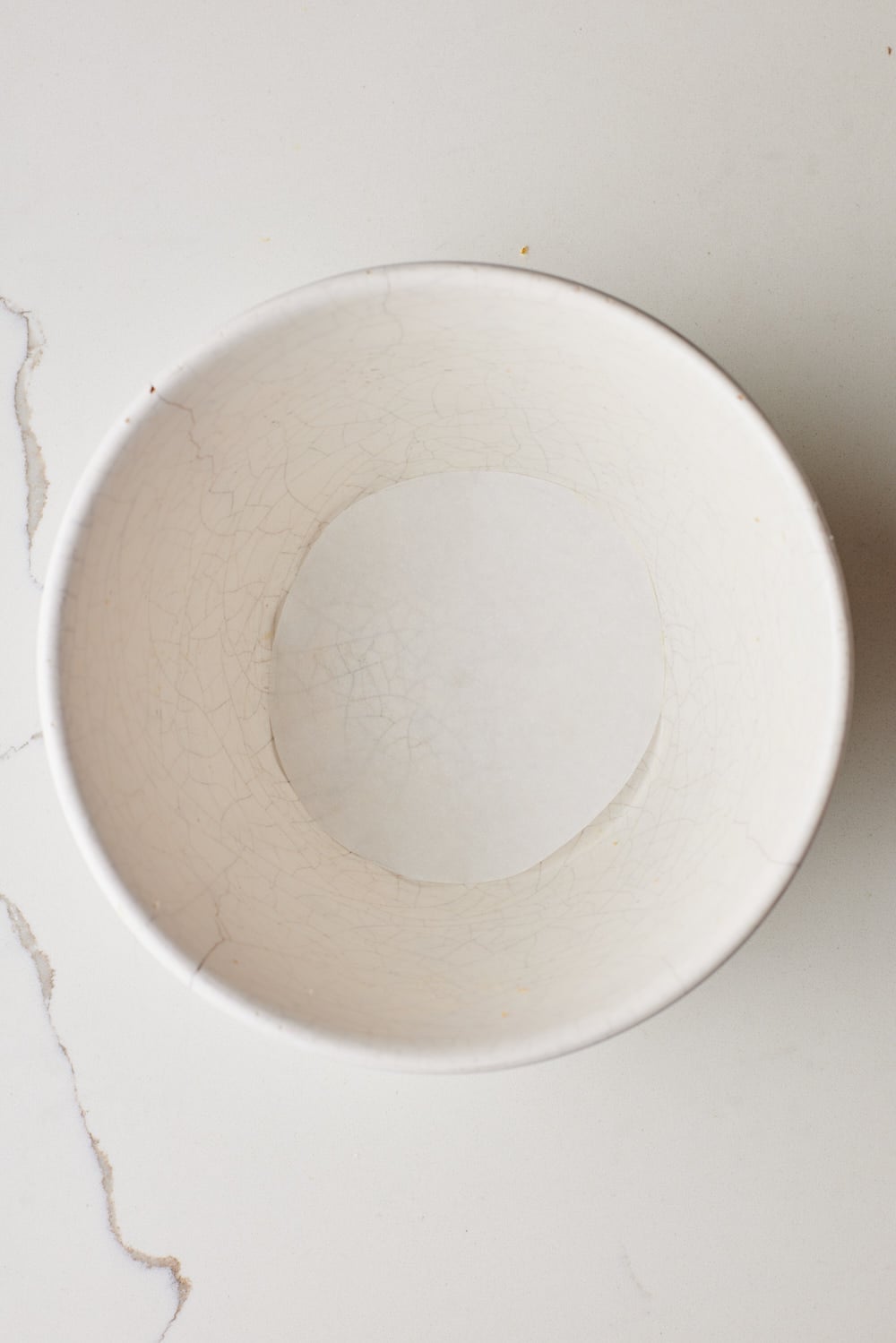
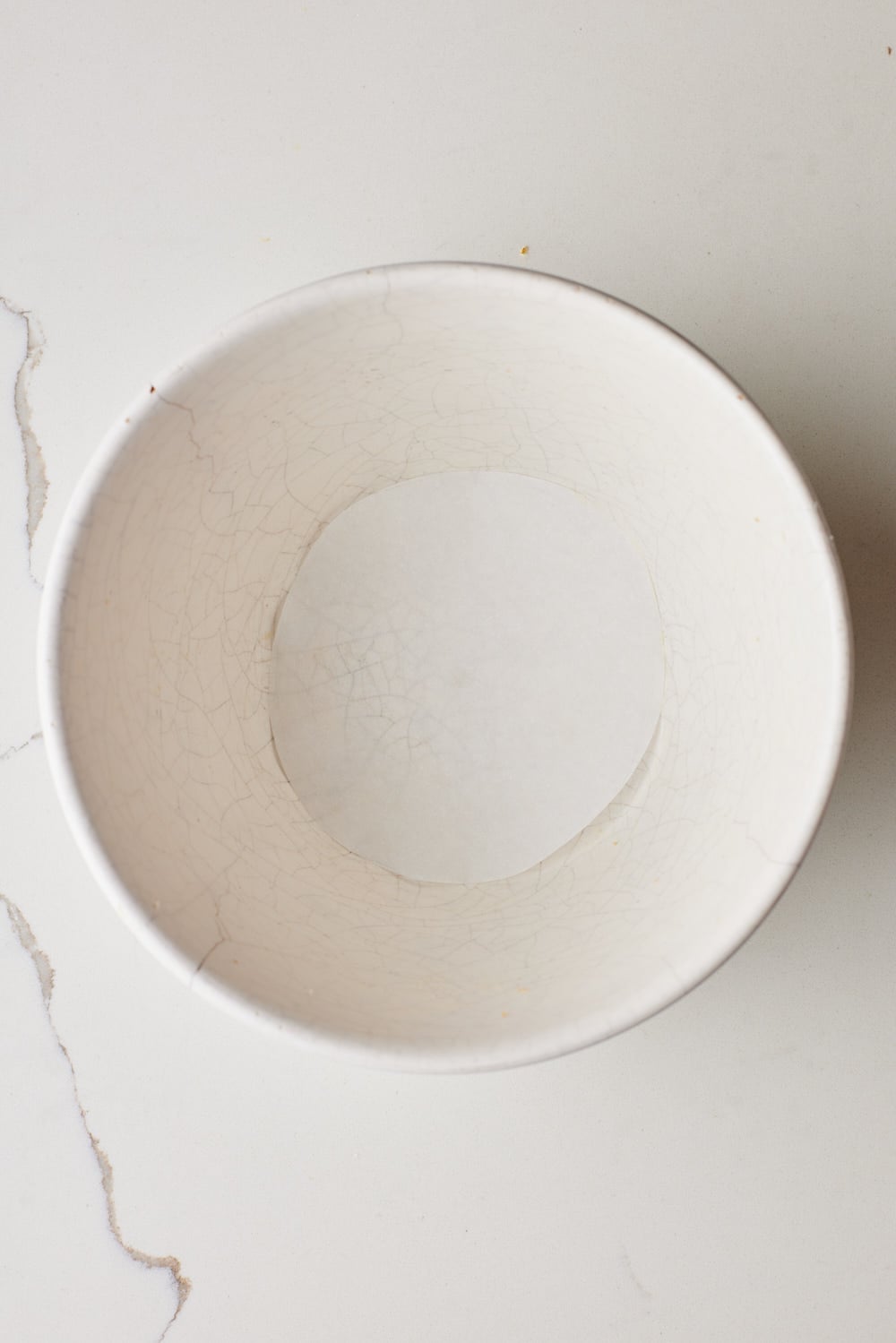
- Prepare pudding basin. Generously butter a 1-liter (about 1 quart) pudding basin. Line the bottom with a circle of parchment paper.
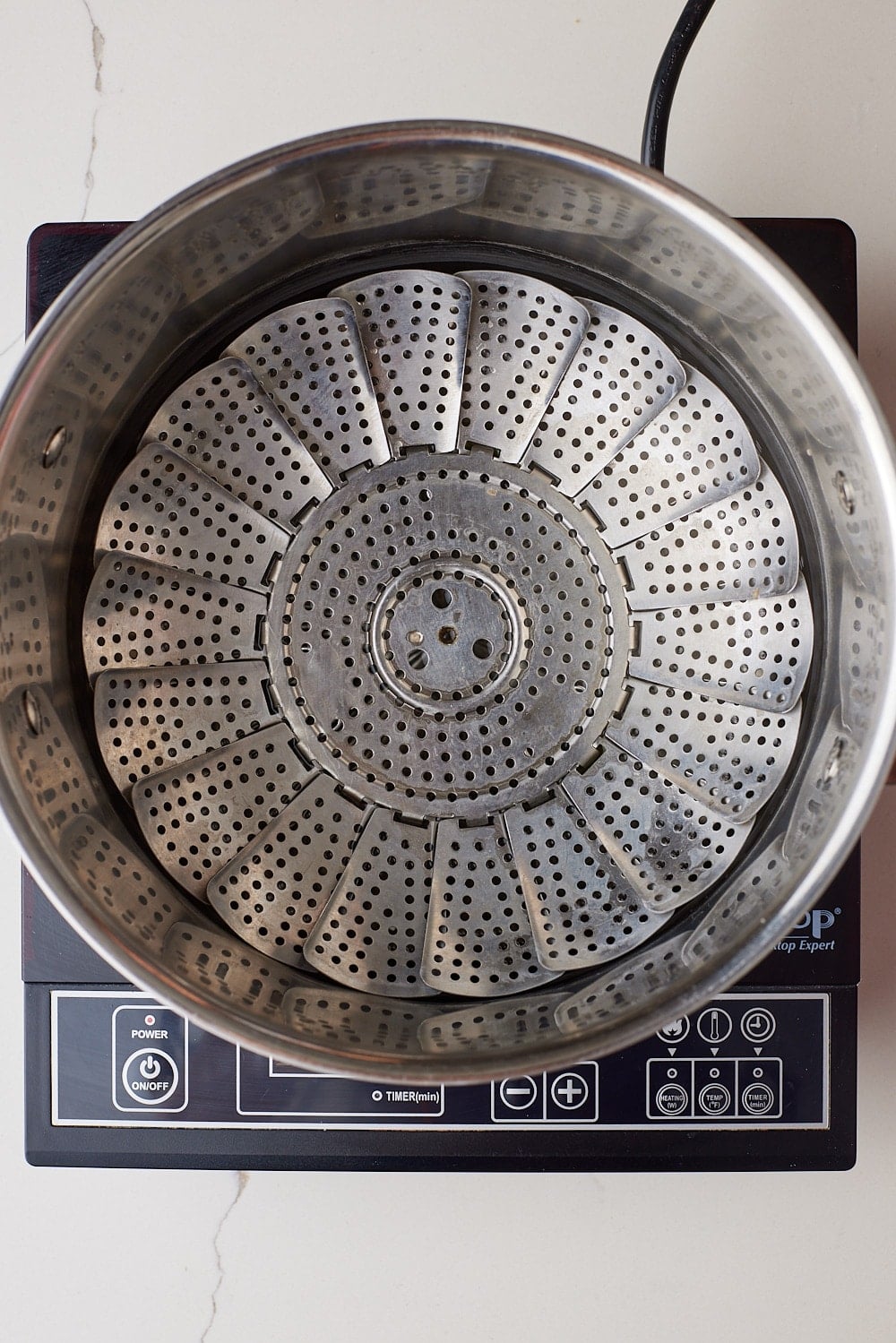
- Fill pot with water and heat. Place a steamer basket in a large lidded pot that will hold the basin. Fill the pot with water to the level of the steamer basket and bring to a simmer over medium-low heat.
- Ready a kettle of water. Bring a kettle of water to a boil and set aside.
To Make the Spotted Dick Dough
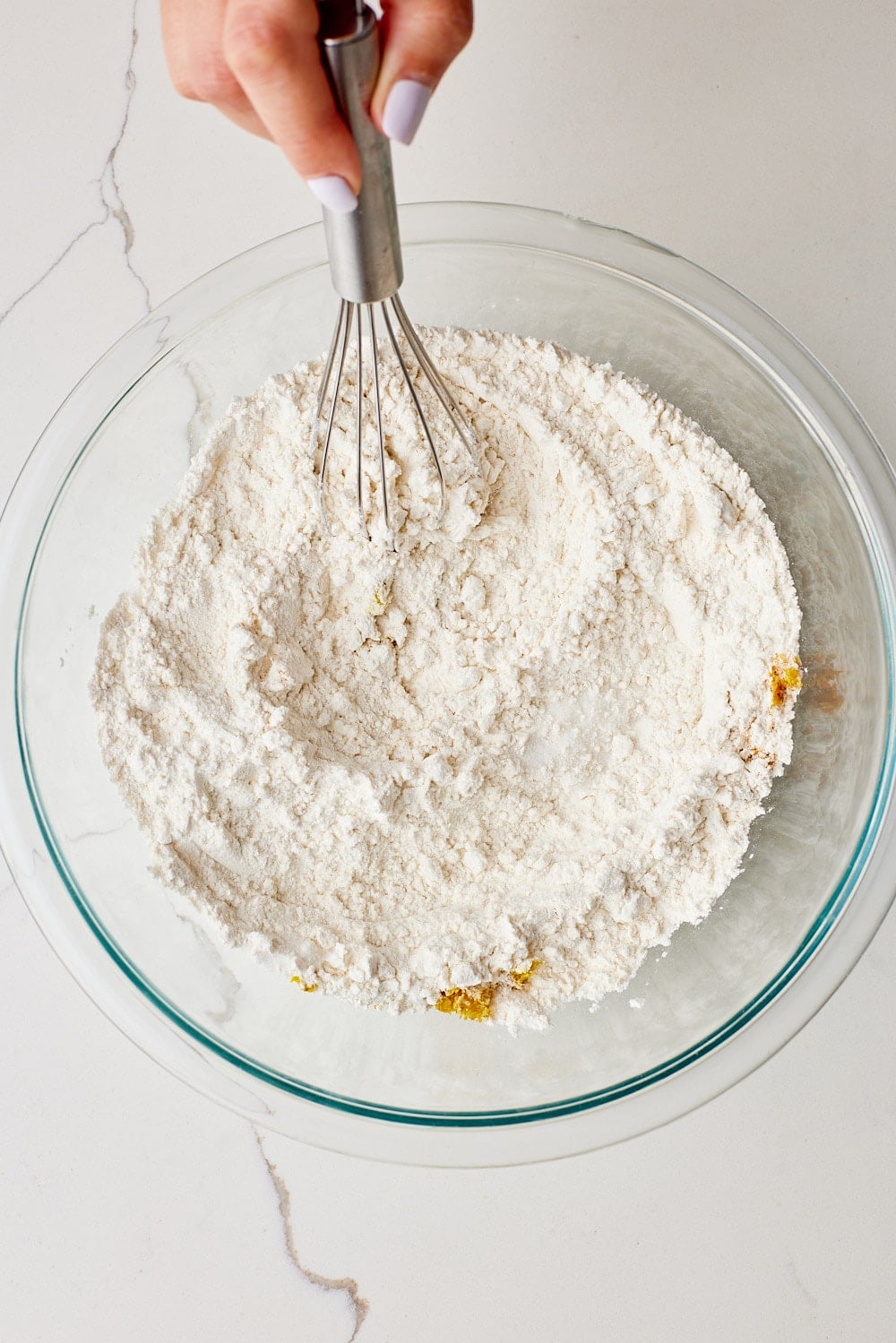
- Whisk dry ingredients. In a large bowl, whisk together the flour, sugar, lemon zest, orange zest, and salt.
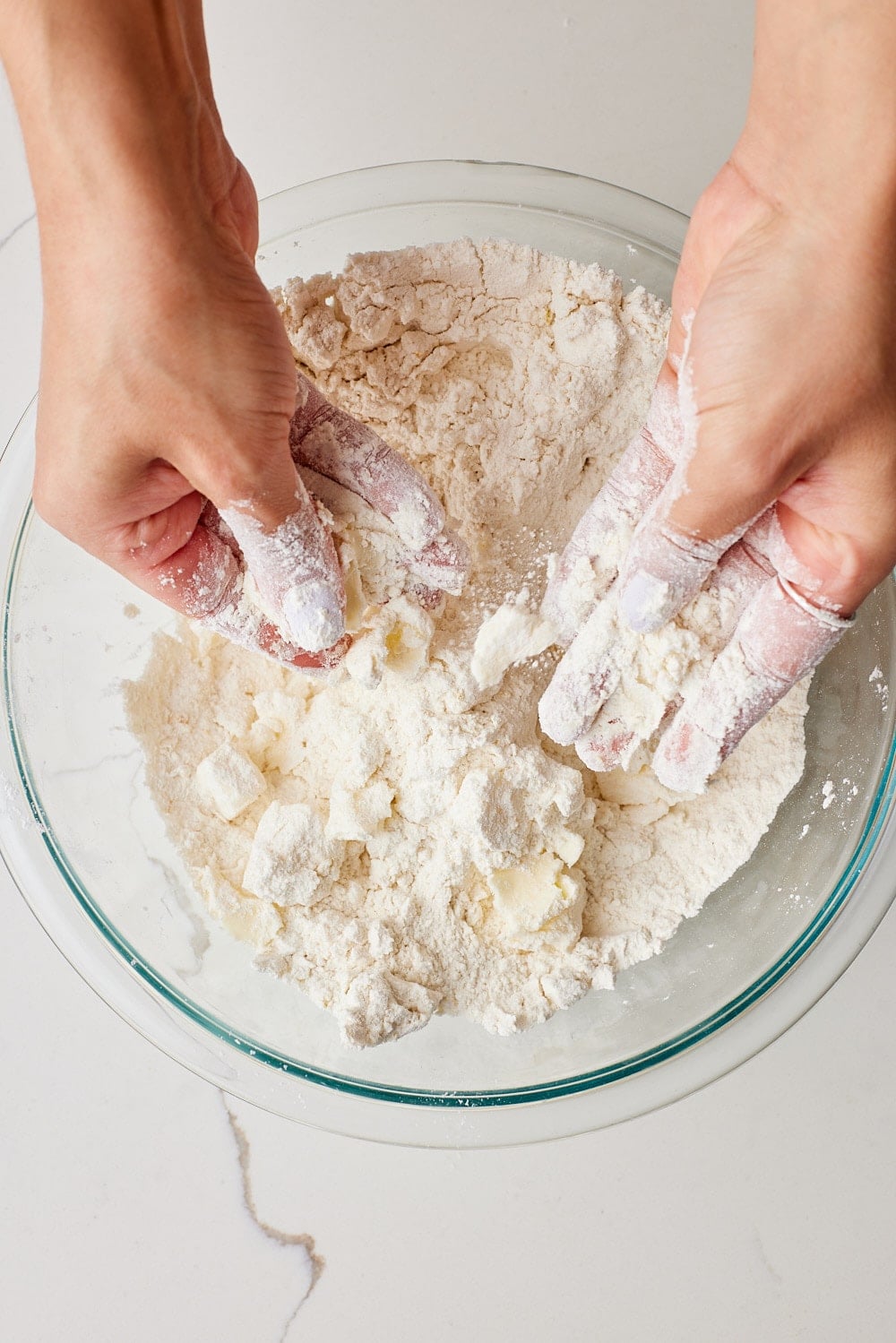
- Add the butter. Cut in the butter with a pastry blender (or using your fingertips) until the mixture resembles coarse crumbs.
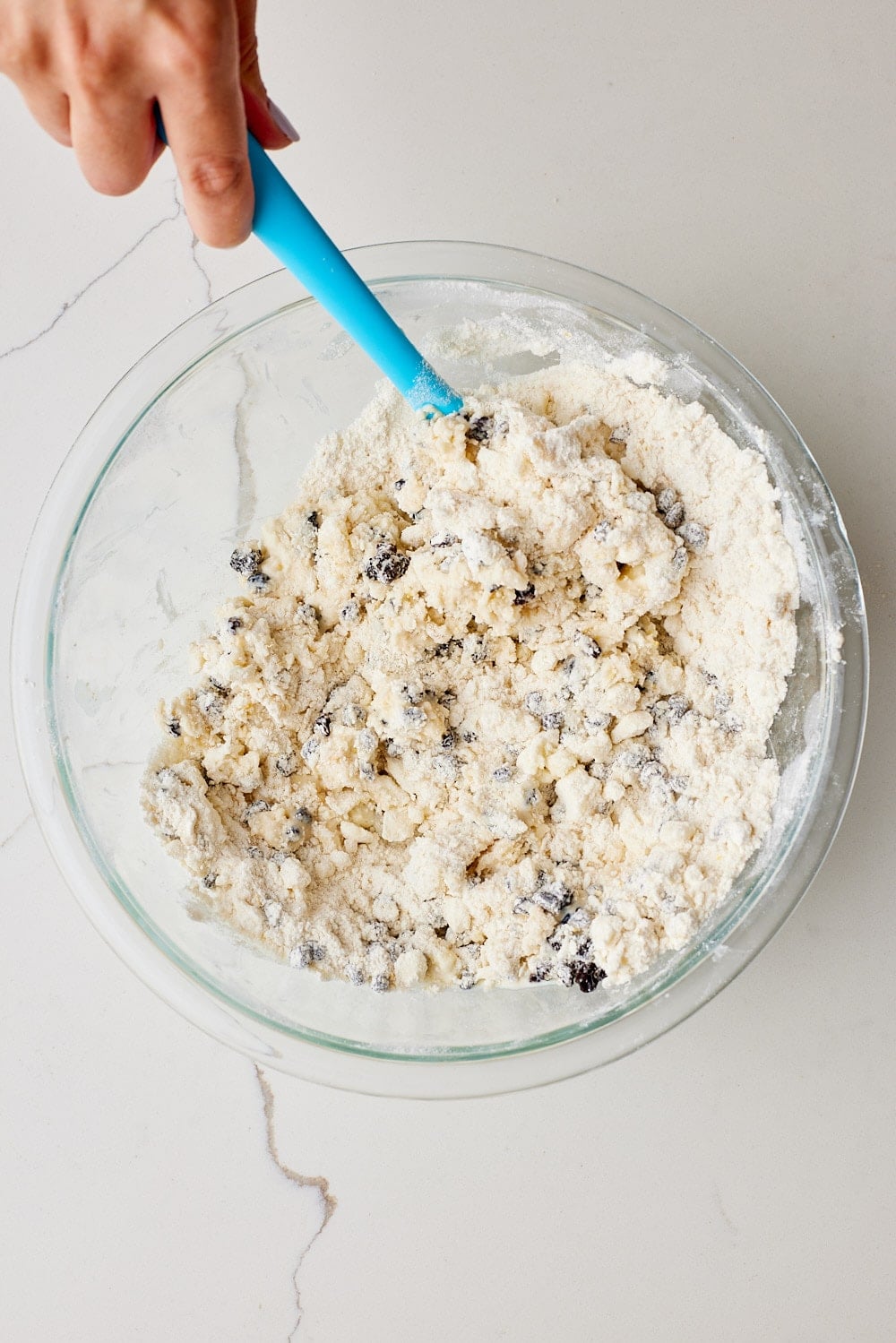
- Finish dough. Add in the currants and milk and stir until a soft, crumbly dough forms.
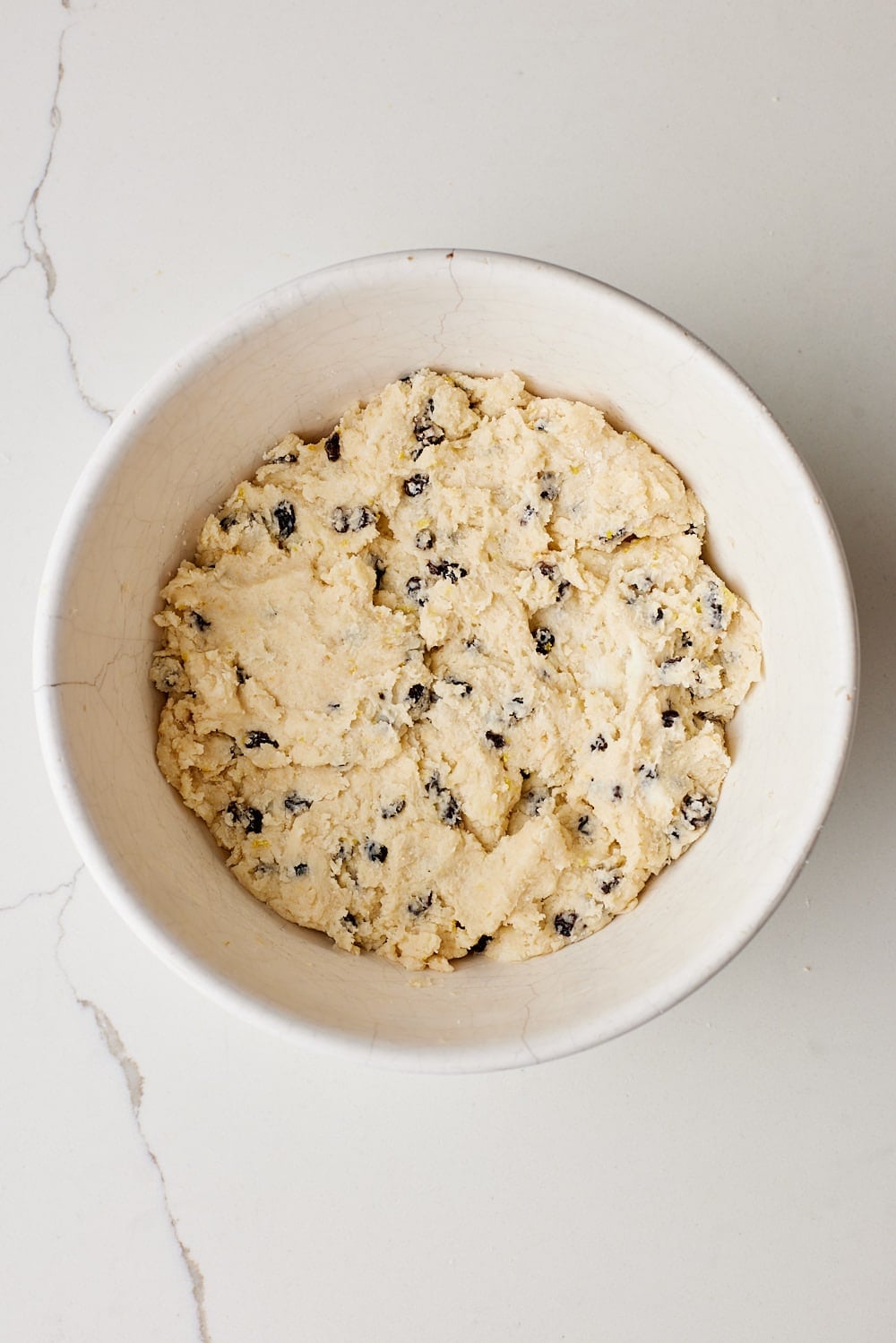
- Add dough to basin. Gently press the dough evenly into the prepared pudding basin.
To Steam the Spotted Dick
- Cover basin. Place a circle of parchment paper over the dough, then cover the basin tightly with foil.
- Prepare basin for steaming. Tie butcher’s twine around the foil to seal it, then use additional twine to create a handle.
- Put basin in pot. Place the pudding basin on the steamer basket and, if needed, carefully add enough boiling water from the kettle so it reaches the bottom of the steamer basket. Cover the pot with the lid.
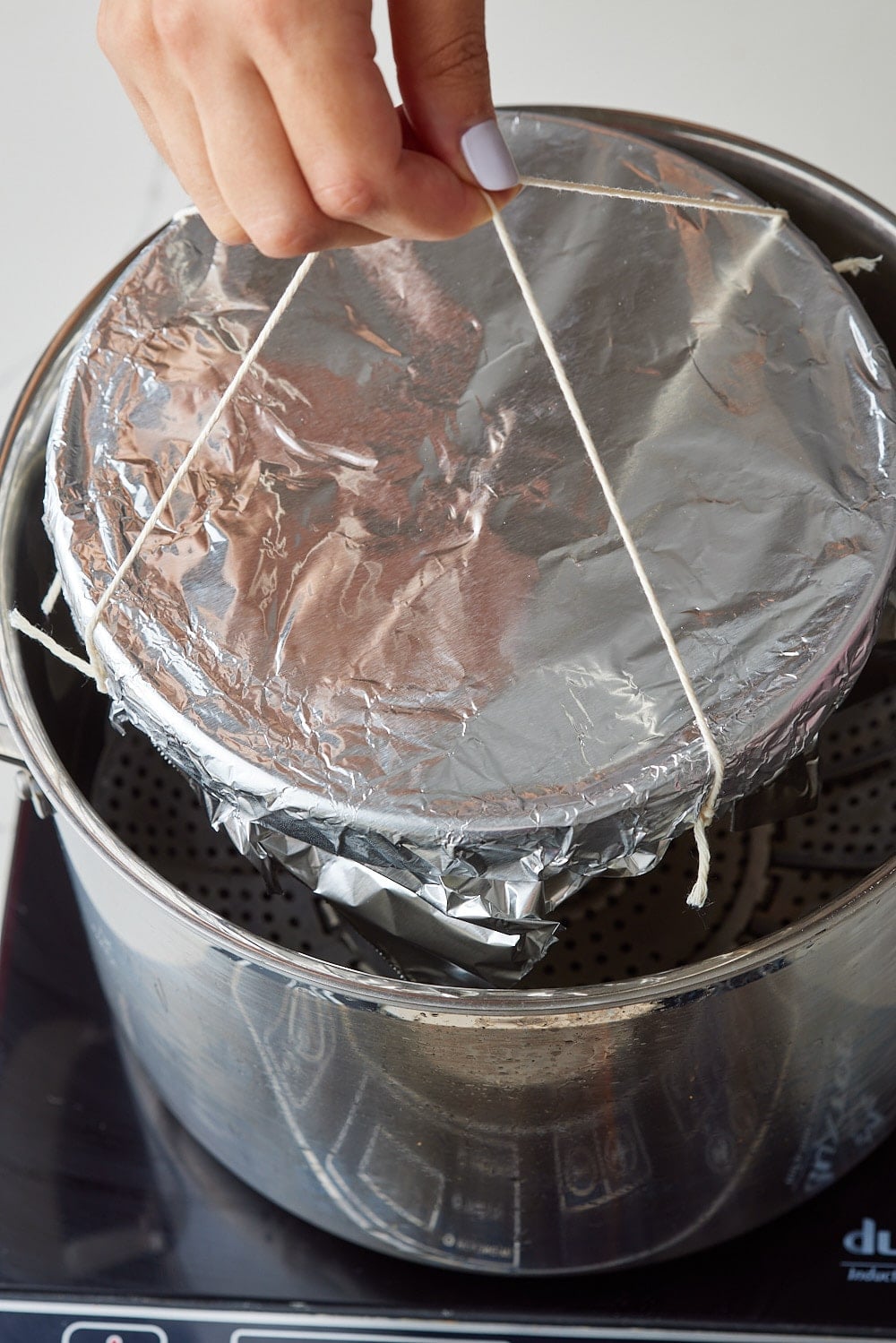
- Cook pudding. Steam the pudding for about 2 ½ hours, maintaining a gentle simmer. Check the water level every 20 minutes and add more boiling water as needed.
- Check for doneness. After 2 ½ hours, check the pudding. It should feel firm when lightly pressed. If it is still soft, continue steaming, checking every 15 minutes.
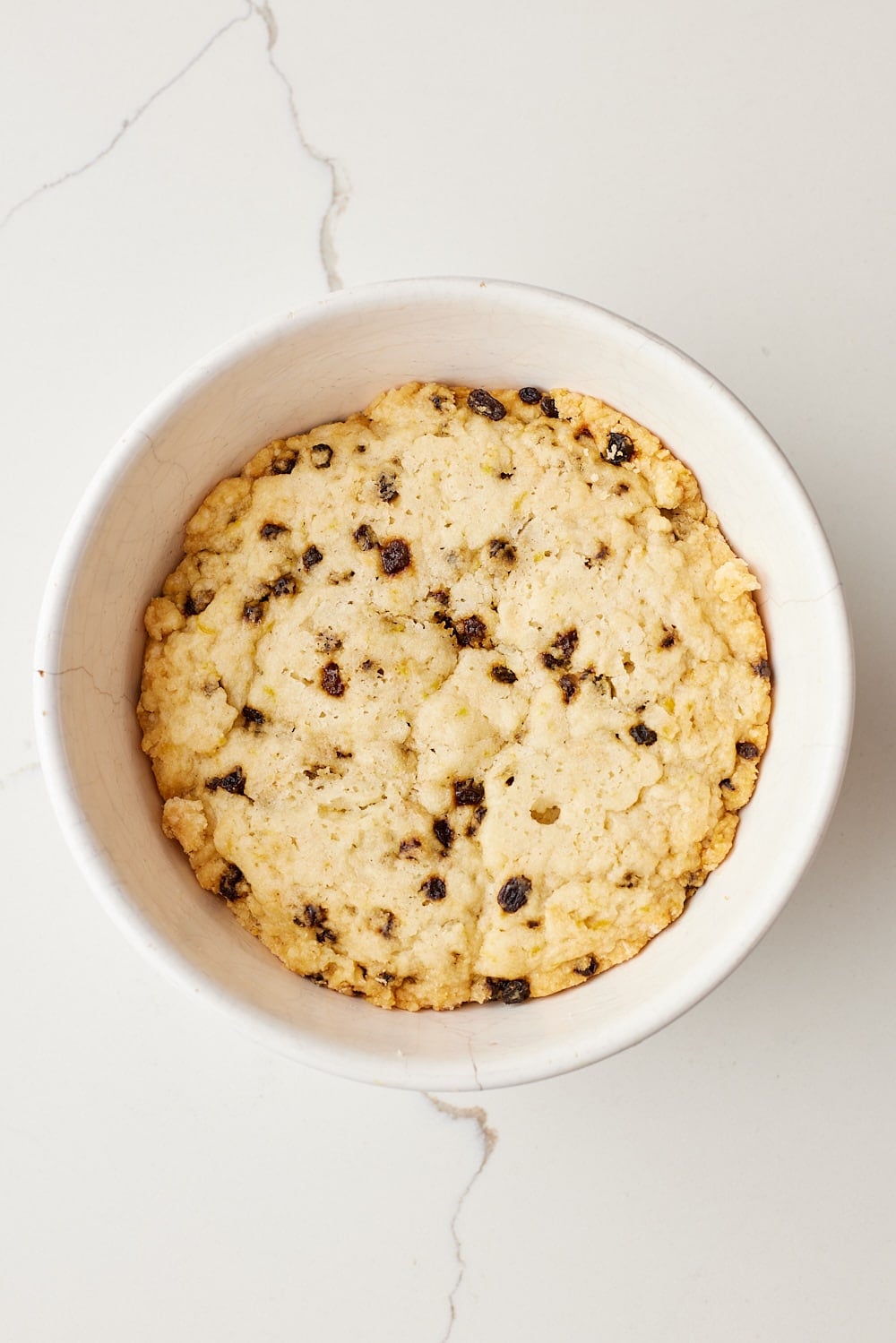
- Remove pudding and cool. Lift the pudding from the pot, unwrap it, and let it cool for 10 minutes.
To Serve the Spotted Dick
- Remove pudding from basin. Run a thin knife around the edge of the pudding basin to loosen the pudding, then invert it onto a serving plate.
- Enjoy! Serve warm slices with a drizzle of Crème Anglaise.

FULL (PRINTABLE) RECIPE BELOW!
Gemma’s Pro Chef Tips
- Use a basin or a bowl. You don’t need a specific pudding basin to make this—it can be made in any heatproof ceramic, stoneware, or stainless steel bowl. I don’t recommend aluminum or plastic.
- Use another fruit. You can replace the currants with the same amount of raisins, sultanas, or another dried fruit of choice (chopped if large).
- Make sure your pudding basin has a lip or rim. This allows you to tie the string securely. If the basin doesn’t have a suitable rim, you won’t be able to secure it properly, and attempting to tie it without one can cause the basin to slip out during steaming, which could be dangerous.
- Leave room. Fill the pudding basin only two-thirds full, as the pudding will rise significantly during steaming.
- Steam low and slow. Keep the water at a gentle simmer rather than a vigorous boil. Slow, even steaming gives the pudding time to cook through while keeping it tender.
- In-depth steaming info. If you are confused about how to set up the pudding basin with foil and twine, please refer to the article: How to Steam a Christmas Pudding.
- Always use only boiling water: It’s important to use boiling water and keep the boiling water topped up throughout steaming. Whenever we make a steamed pudding, the first thing we do is put a full kettle on to boil so we have plenty of boiling water ready to add as needed. Using cold or lukewarm water lowers the temperature and slows down the cooking process. For Irish and British cooks, this is second nature when steaming puddings.
- Check the water level. Set a timer for every 20-30 minutes while the pudding is steaming to check the water level. The steam is what cooks the pudding so you need to be sure that it never fully evaporates.
Make Ahead and Storage Instructions
Make-ahead tips
- You can make the pudding ahead, cool completely, cover with new parchment and foil, and store the pudding in the fridge for up to seven days.
- To reheat, you can steam again for about 45 minutes or microwave until fully heated through.
- It can also be frozen for up to two months.
- Thaw the pudding overnight in the refrigerator before reheating as directed above. For best texture, I recommend steaming rather than microwaving the whole frozen pudding.
How to store leftovers
- Store leftovers in an airtight container at room temperature for up to three days. Reheat briefly in the microwave before serving.
Flavor Variations and Substitutions
- Add candied citrus: Use 2 tablespoons of chopped candied orange or lemon peel alongside the currants for extra traditional flavor.
- Swap the dried fruit: Replace the currants with raisins, sultanas, or a mix of dried fruit if currants aren’t available.
- Add a splash of spirits: Add a splash of brandy or dark rum to the batter for extra depth.
- Add a festive color: Use chopped dried cranberries for bright holiday color.
- Add warm spice: Add a teaspoon of cinnamon, 1/2 teaspoon of nutmeg, or 1/2 teaspoon of ground ginger for a gently spiced version.
- Swap the topping: Serve with Vanilla Ice Cream instead of custard for a modern twist. You can also serve with a drizzle of Golden Syrup, fresh cream, or Brandy Butter or Whiskey Caramel Sauce for a warming finish.
FAQs
What is Spotted Dick, and where does the name come from?
- Spotted Dick is a traditional English steamed pudding made with flour, dried currants, citrus zest, and fat. “Spotted” refers to the currants throughout the pudding, and “dick” was an old word for dough or pudding.
- This soft, steamed dessert is traditionally served warm with custard.
- This dessert is part of the long tradition of British puddings, and Spotted Dick dates to the Victorian era.
Can I make this without suet?
- Traditional Spotted Dick is usually made with suet, a firm type of beef fat that creates a moist, tender pudding. Suet’s high melting point makes it perfect for long, gentle cooking.
- For my Spotted Dick Recipe, I use butter instead. It’s a wonderful choice because it adds rich, creamy flavor while creating a soft texture.
- While many British puddings are still made with suet, puddings made with butter are also common now.
What can I use instead of a pudding basin?
- Don’t worry if you don’t have a pudding basin.
- You can also use a 1-liter (about 1-quart) heatproof ceramic, stoneware, or stainless steel bowl.
- Make sure your pudding basin has a lip or rim that allows you to tie the string securely. If the basin doesn’t have a suitable rim, you won’t be able to secure it properly, and attempting to tie it without one can cause the basin to slip out during steaming, which could be dangerous.
Can I bake this Spotted Dick pudding in the oven instead of steaming it?
- Steaming is the method I use in this recipe, and I recommend following the recipe as written for the best results.
- The low, gentle heat and moist environment of steaming are what give this pudding its soft, tender texture.
- Oven versions of steamed puddings generally require a covered water bath, so I don’t recommend simply baking the pudding in the oven.
Can I make Spotted Dick ahead of time?
- Yes, you can make Spotted Dick ahead of time.
- Once the pudding has cooled completely, cover it with fresh parchment and foil and refrigerate for up to seven days.
- Reheat by steaming for about 45 minutes or microwave individual portions until heated through.
- It can also be frozen for up to two months.
- Thaw the pudding overnight in the refrigerator before reheating as directed above. For best texture, I recommend steaming rather than microwaving the whole frozen pudding.
What do you serve with Spotted Dick?
- Spotted Dick is traditionally served warm with custard sauce, but Vanilla Ice Cream or Whipped Cream are also lovely options.
- For a different flavor, serve Spotted Dick with Brandy Butter or Irish Whiskey Caramel Sauce.
More Easy English-Inspired Recipes
- Banoffee Pie
- Self-Saucing Butterscotch Pudding
- Steamed Marmalade Pudding
- Coconut and Jam Cake
- Traditional Mincemeat
Try These Recipes!




Traditional Spotted Dick


Ingredients
Spotted Dick
- 2 ¼ cups (11 ¼ oz/319 g) self-raising flour
- ⅓ cup (2 ½ oz/71 g) granulated sugar
- Zest of 1 lemon
- Zest of 1 orange
- ¼ teaspoon salt
- 11 tablespoons (5 ½ oz/150 g) butter , cold and diced
- ¾ cup (3 ¾ oz/106 g) currants
- ⅔ cup (5 fl oz/160 ml) whole milk
Topping
- 1 recipe Crème Anglaise
Instructions
To Prepare the Steamer
- Generously butter a 1-liter (about 1 quart) pudding basin. Line the bottom with a circle of parchment paper.
- Place a steamer basket in a large lidded pot that will hold the basin. Fill the pot with water to the level of the steamer basket and bring to a simmer over medium-low heat.
- Bring a kettle of water to a boil and set aside.
To Make the Spotted Dick Dough
- In a large bowl, whisk together the flour, sugar, lemon zest, orange zest, and salt.
- Cut in the butter with a pastry blender (or using your fingertips) until the mixture resembles coarse crumbs.
- Add in the currants and milk and mix until a soft, crumbly dough forms.
- Gently press the dough evenly into the prepared pudding basin.
To Steam the Spotted Dick
- Place a circle of parchment paper over the dough, then cover the basin tightly with foil.
- Tie butcher's twine around the foil to seal it, then use additional twine to create a handle.
- Place the pudding basin on the steamer basket and, if needed, carefully add enough boiling water from the kettle so it reaches the bottom of the steamer basket. Cover the pot with the lid.
- Steam the pudding for about 2 ½ hours, maintaining a gentle simmer. Check the water level every 20 minutes and add more boiling water as needed.
- After 2 ½ hours, check the pudding. It should feel firm when lightly pressed. If it is still soft, continue steaming, checking every 15 minutes.
- Lift the pudding from the pot, unwrap it, and let it cool for 10 minutes.
To Serve the Spotted Dick Straight Away
- Run a thin knife around the edge of the pudding basin to loosen the pudding, then invert it onto a serving plate.
- Serve warm slices with a drizzle of Crème Anglaise. Store leftovers in an airtight container at room temperature for up to 3 days. Reheat briefly in the microwave before serving.
To Store the Spotted Dick For Later
- Once fully cooled, cover with new parchment and foil and store the pudding in the fridge for up to 7 days. To re-heat you can steam again for about 45 minutes or microwave until fully heated through. It also can be frozen for up to 2 months.
Recipe Notes
- Use a basin or a bowl. You don’t need a specific pudding basin to make this—it can be made in any heatproof ceramic, stoneware, or stainless steel bowl. I don’t recommend aluminum or plastic.
- Use another fruit. You can replace the currants with the same amount of raisins, sultanas, or another dried fruit of choice (chopped if large).
- Make sure your pudding basin has a lip or rim. This allows you to tie the string securely. If the basin doesn’t have a suitable rim, you won’t be able to secure it properly, and attempting to tie it without one can cause the basin to slip out during steaming, which could be dangerous.
- Leave room. Fill the pudding basin only two-thirds full, as the pudding will rise significantly during steaming.
- Steam low and slow. Keep the water at a gentle simmer rather than a vigorous boil. Slow, even steaming gives the pudding time to cook through while keeping it tender.
- In-depth steaming info. If you are confused about how to set up the pudding basin with foil and twine, please refer to the article: How to Steam a Christmas Pudding.
- Always use only boiling water: It’s important to use boiling water and keep the boiling water topped up throughout steaming. Whenever we make a steamed pudding, the first thing we do is put a full kettle on to boil so we have plenty of boiling water ready to add as needed. Using cold or lukewarm water lowers the temperature and slows down the cooking process. For Irish and British cooks, this is second nature when steaming puddings.
- Check the water level. Set a timer for every 20-30 minutes while the pudding is steaming to check the water level. The steam is what cooks the pudding so you need to be sure that it never fully evaporates.