This post may contain affiliate links. Please see my full disclosure for details.
Hi Bold Bakers!
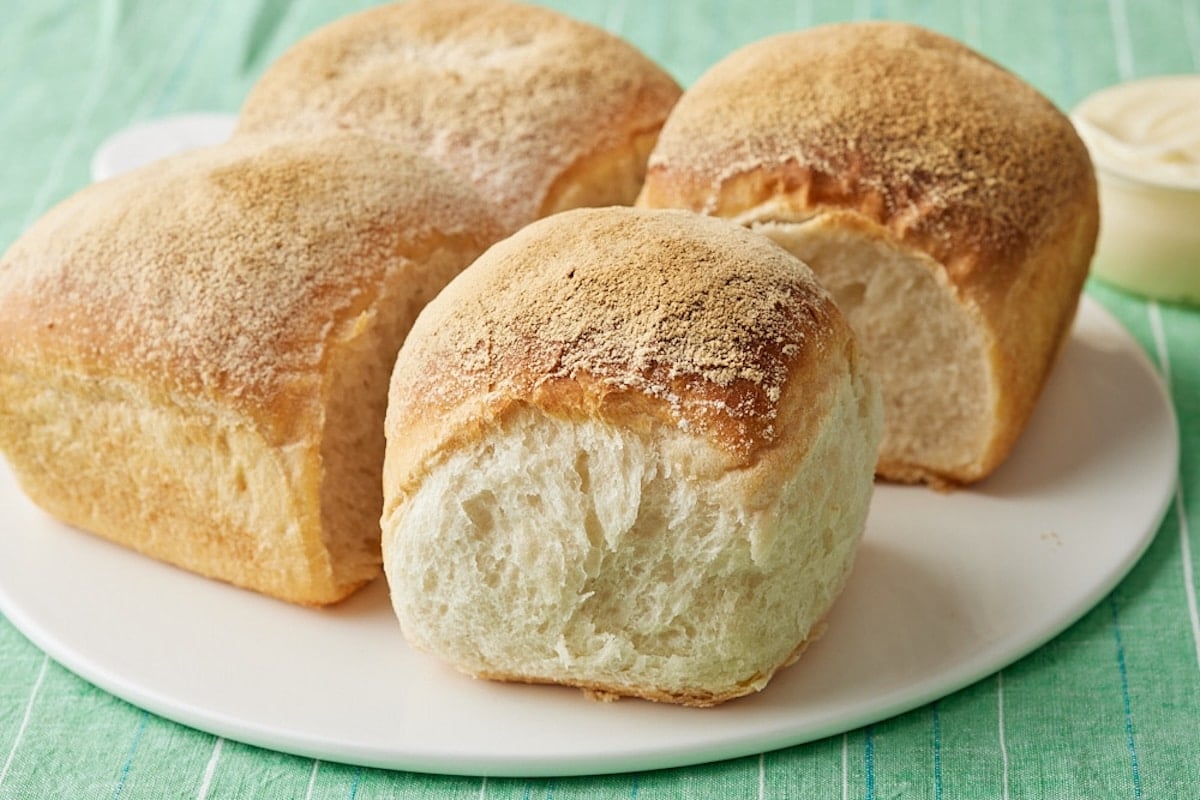
WHY YOU’LL LOVE THIS RECIPE: My authentic Irish Batch Loaf is a tender, flavorful bread perfect for both holidays and everyday meals! This rustic loaf is easy enough to bake anytime you crave it.
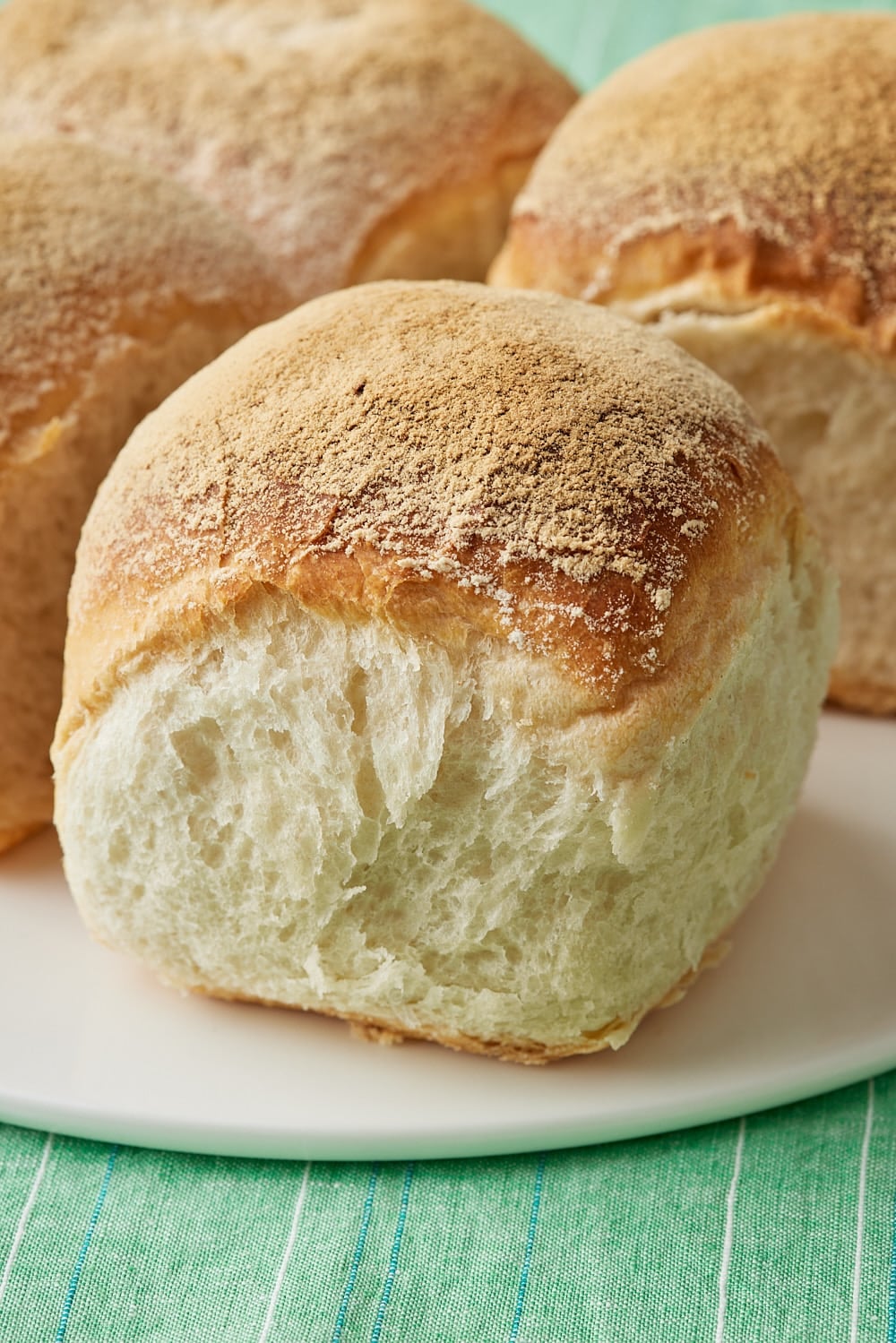
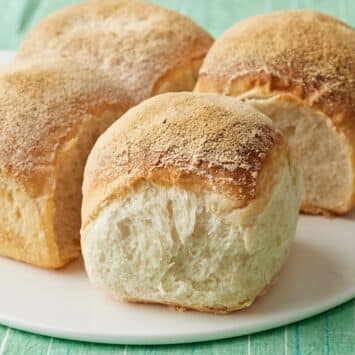
- Crusty top, soft sides: As the four loaves bake together, their tops become irresistibly browned and crusty, while the sides stay delectably tender.
- Nostalgic flavor: Lard gives this simple bread a tender crumb and subtle richness, making this loaf taste as if it came from an Irish bakery.
- Simple ingredients: Just five ingredients come together to make this traditional Irish batch bread.
- Easy to share: This unique pull-apart bread is perfect to pass around the table with family and friends.
- Perfect for every occasion: Enjoy this Irish bread sliced and toasted, for sandwiches, with soup, or as a delicious accompaniment to any meal.
As a professional baker, it’s a special thrill to share a recipe so connected to my childhood in Ireland. Brennans Batch Bread is the kind of bread every Irish person grew up eating, and you know it the moment you pull it apart. My recipe shows you how to make it properly from scratch—if you know Brennans, having a similar homemade loaf warm from your oven is even better than the classic store-bought bread. And if batch bread is new to you, you’re in for a delicious treat.
My most important tip for this recipe is to be sure the dough doubles in size during the final proof. Even if you’ve reached the 2-hour mark, it’s more important that the dough has risen enough before going into the oven. Keep your eye on the dough, not just the clock, and give it more time if needed. For more Irish bread recipes, try my Brown Soda Bread, Flourless Irish Oat Bread, Simple White Irish Soda Bread, and Guinness Bread.
Table of Contents
- What is an Irish Batch Loaf?
- Tools You Need
- Key Ingredients and Substitutes
- How to Make Irish Batch Loaf
- Gemma’s Pro Chef Tips
- Make-Ahead and Storage Instructions
- Mix-Ins and Variations
- FAQs
- More Favorite Bread Recipes
What is an Irish Batch Loaf?
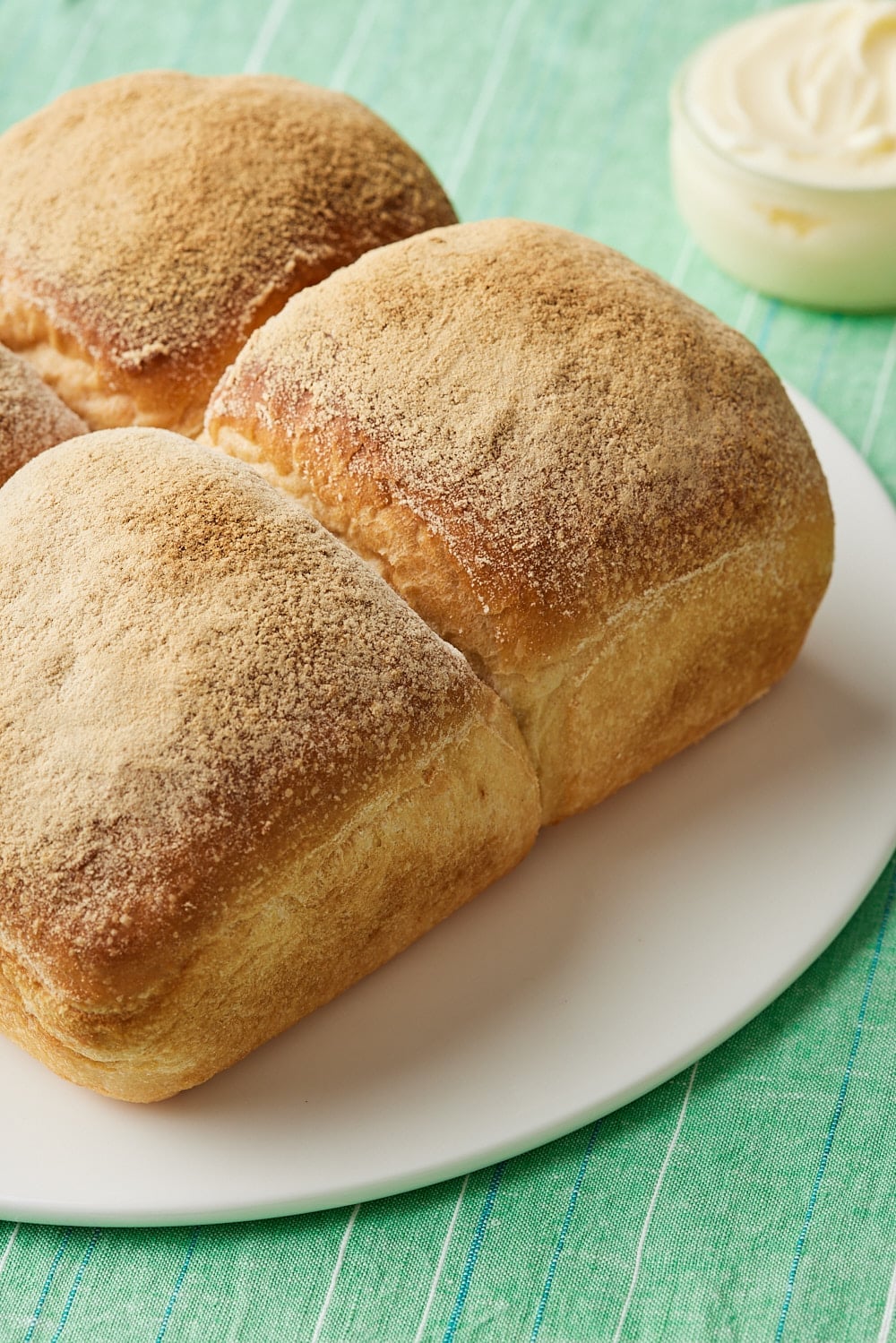
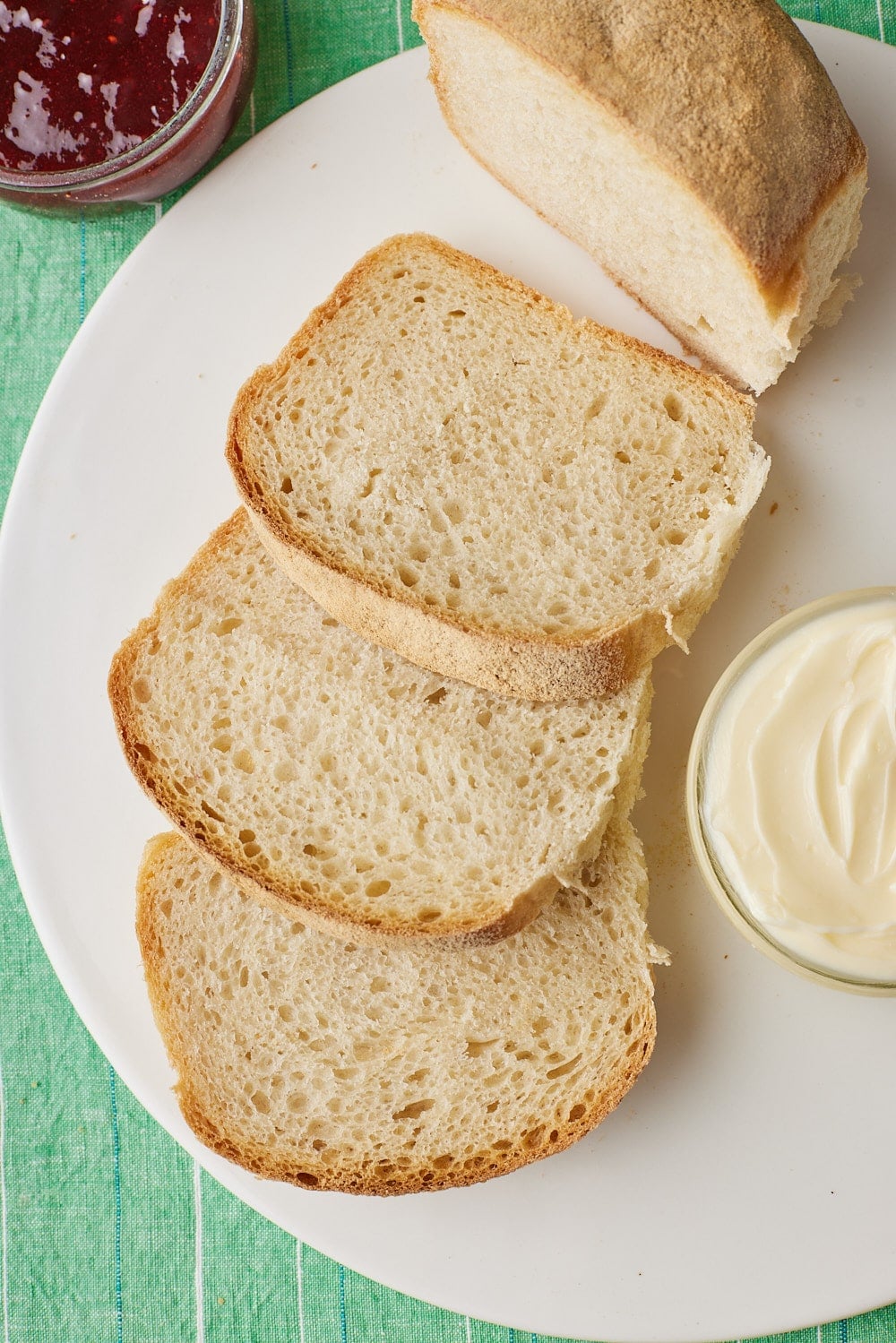
An Irish Batch Loaf is a traditional bread that dates back to the 19th century. You make it by shaping small loaves and baking them together in one pan. The loaves join together as they rise and bake, creating a uniquely shaped bread with four deeply browned, domed tops and soft, pull-apart sides where the loaves meet.
Tools You Need
- Mixing bowls
- Measuring spoons
- Measuring cups
- Glass measuring jug
- Kitchen scale (optional)
- Stand mixer (optional)
- Cling wrap
- Kitchen towel
- 8-inch (20-cm) square cake pan
- Wire cooling rack
Key Ingredients and Substitutes
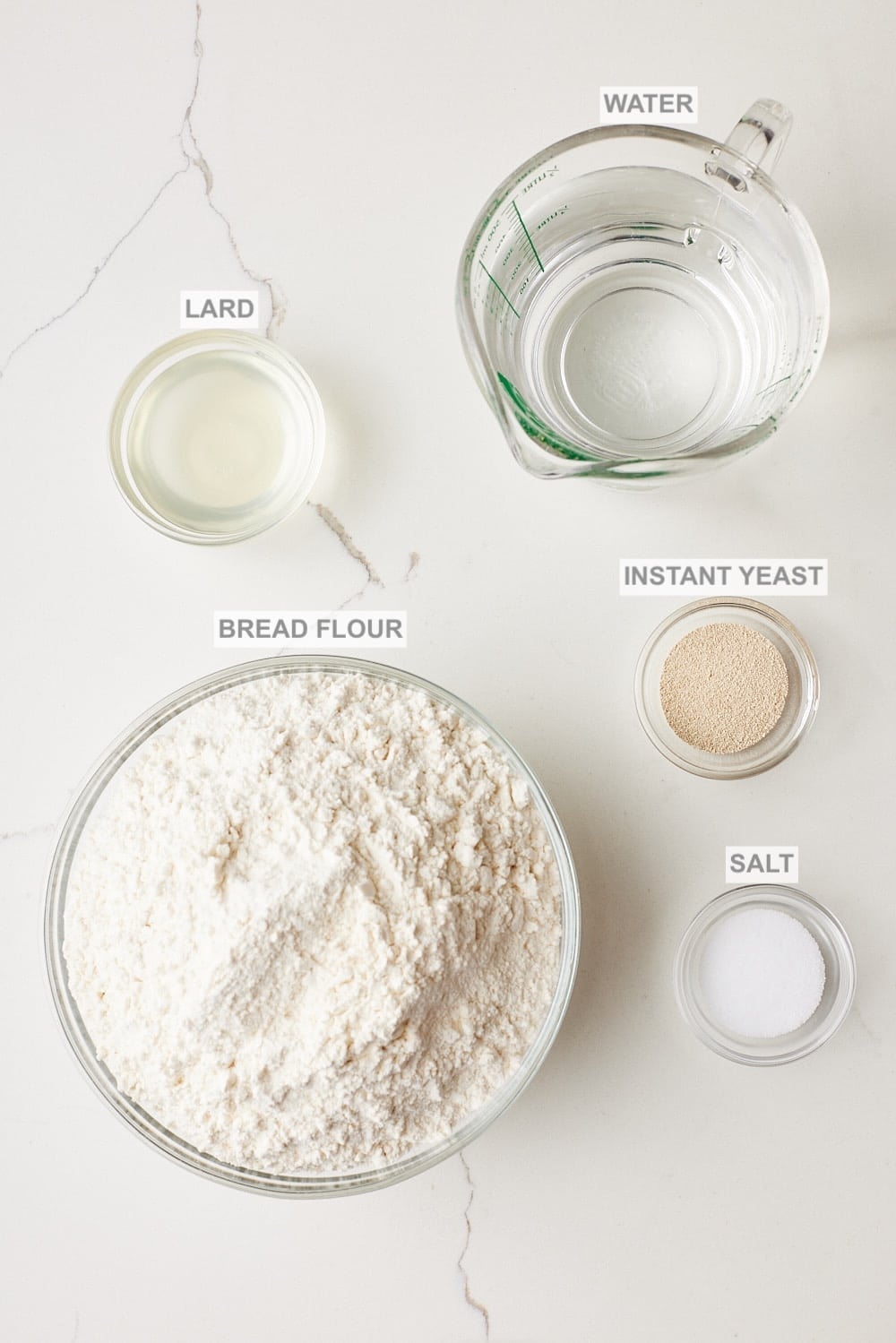
Bread flour
- Bread flour has a protein content of 11-14%, which means it develops more gluten than all-purpose flour. This gives the bread a hearty texture and a pleasant chew.
- Bread flour is also known as “strong flour.”
- My Ultimate Guide to the 10 Types of Flour for Baking details how to pick the best flour for any recipe.
Instant yeast
- Instant yeast gives a quicker, more efficient rise than active dry yeast and does not require sponging.
- Instant yeast can be put directly into the dry ingredients, but avoid direct contact with salt by mixing the instant yeast with flour first so it won’t get deactivated.
- Substitute: If you want to use active dry yeast instead, for every teaspoon of instant yeast in the recipe, use 1 ¼ teaspoons of active dry yeast.
- Bring the liquid in your recipe to lukewarm and mix in the active dry yeast.
- Let it sit at room temperature for roughly 5 minutes until foam forms on top. Mix with remaining ingredients and continue per the instructions.
Salt
- Salt enhances the flavors and strengthens the gluten.
Lukewarm water
- Lukewarm water activates the yeast.
- Before baking, the water hydrates the flour and helps to form the gluten network.
- To tell whether the water is lukewarm, take a small amount and dip your finger in—if it feels close to your body temperature or slightly warmer, it’s lukewarm.
Lard
- Lard, which is rendered pork fat, is a traditional ingredient in some Irish breads. Older Irish bakeries almost always used lard or beef dripping.
- The melted lard gives this batch bread a soft, fluffy interior, a chewy crumb, subtle richness, and a delicious, distinctive flavor.
- Substitutes: butter or oil will work well, too.
How to Make Irish Batch Loaf
Make and Proof the Batch Loaf
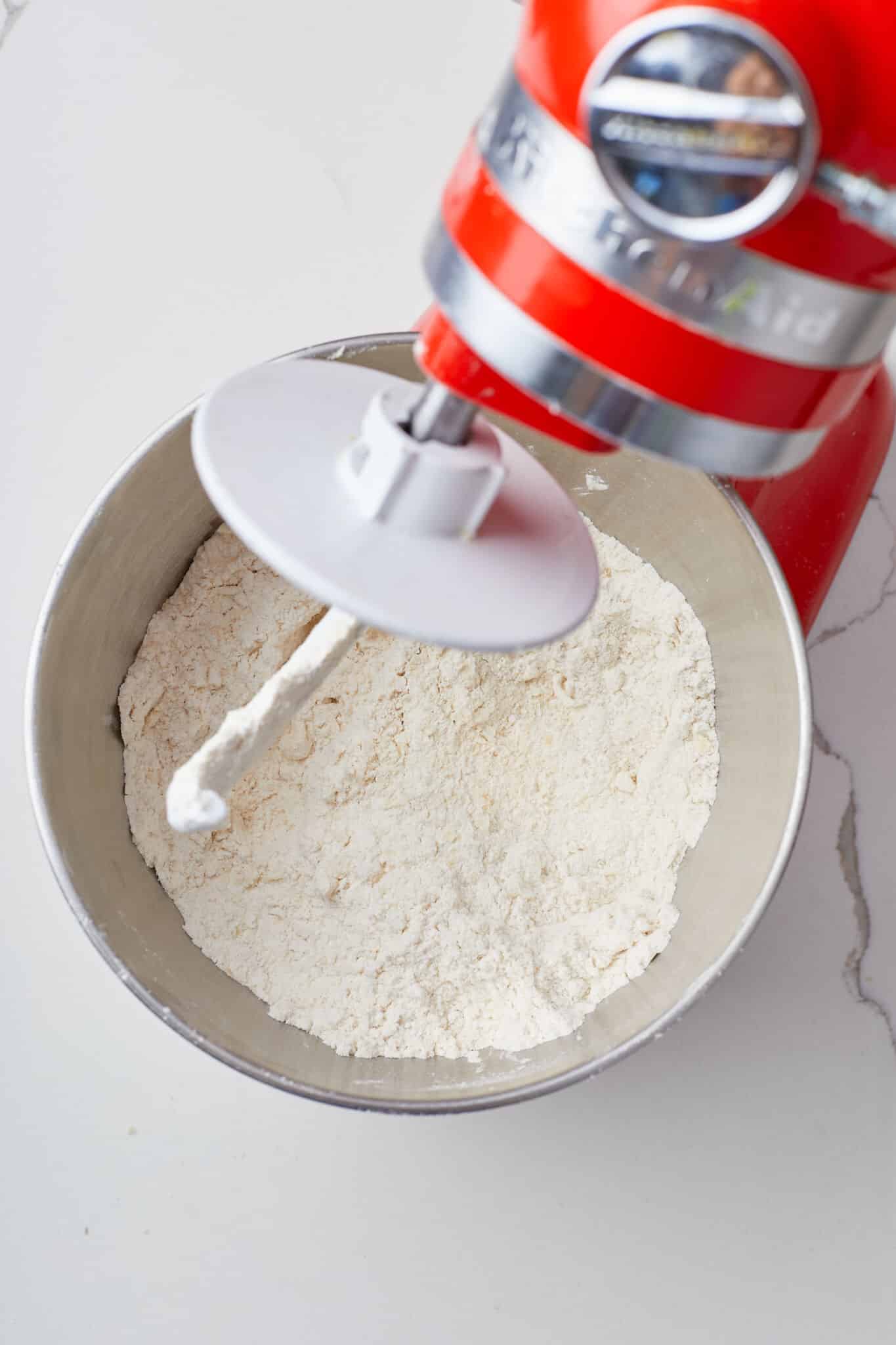
- Combine dry ingredients. In the bowl of a stand mixer fitted with the dough hook, combine the flour, instant yeast, and salt.
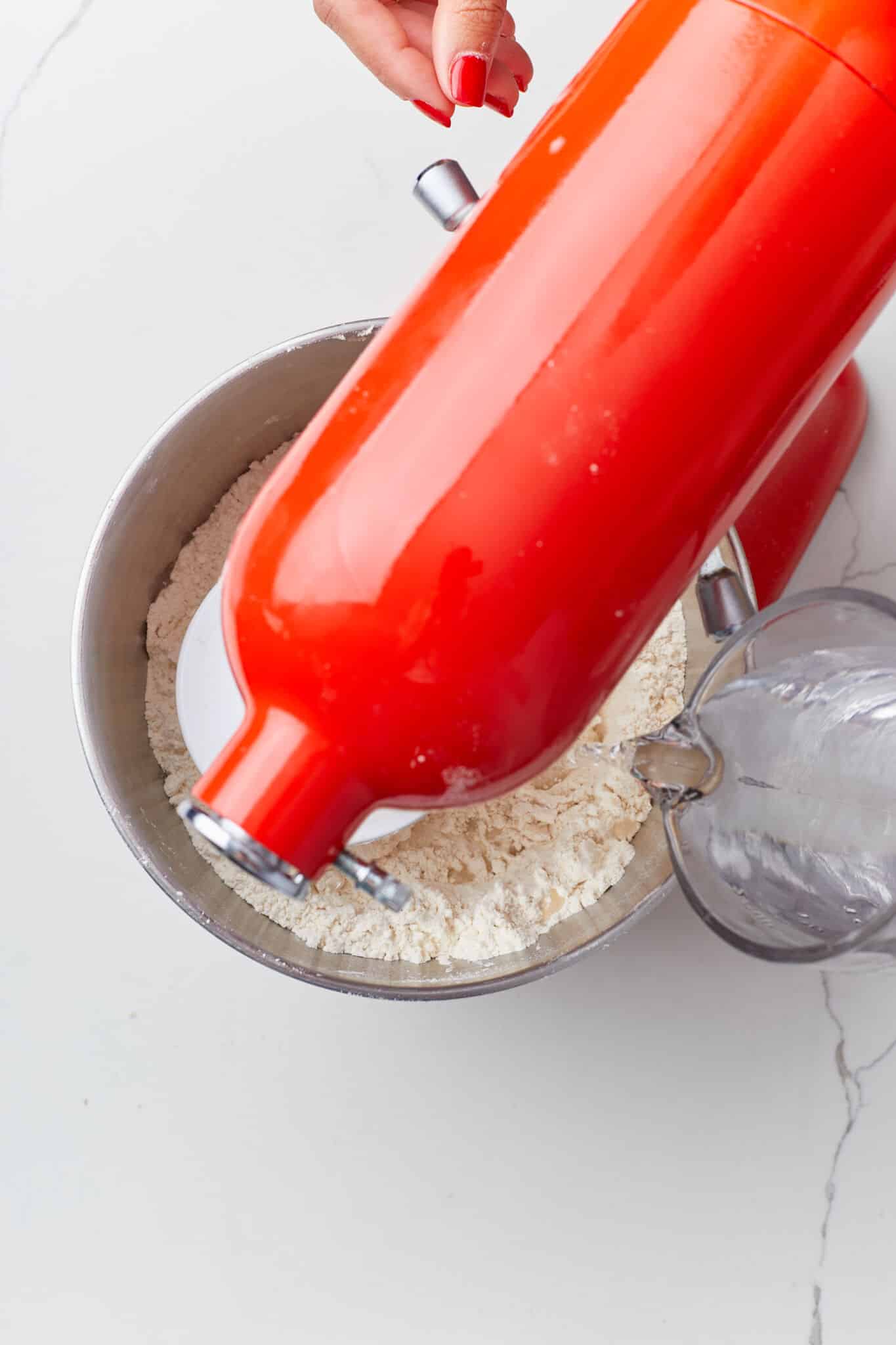
- Add water and lard. In a measuring jug, stir water and lard together, then pour into the flour mixture and mix on low speed until a shaggy dough forms.
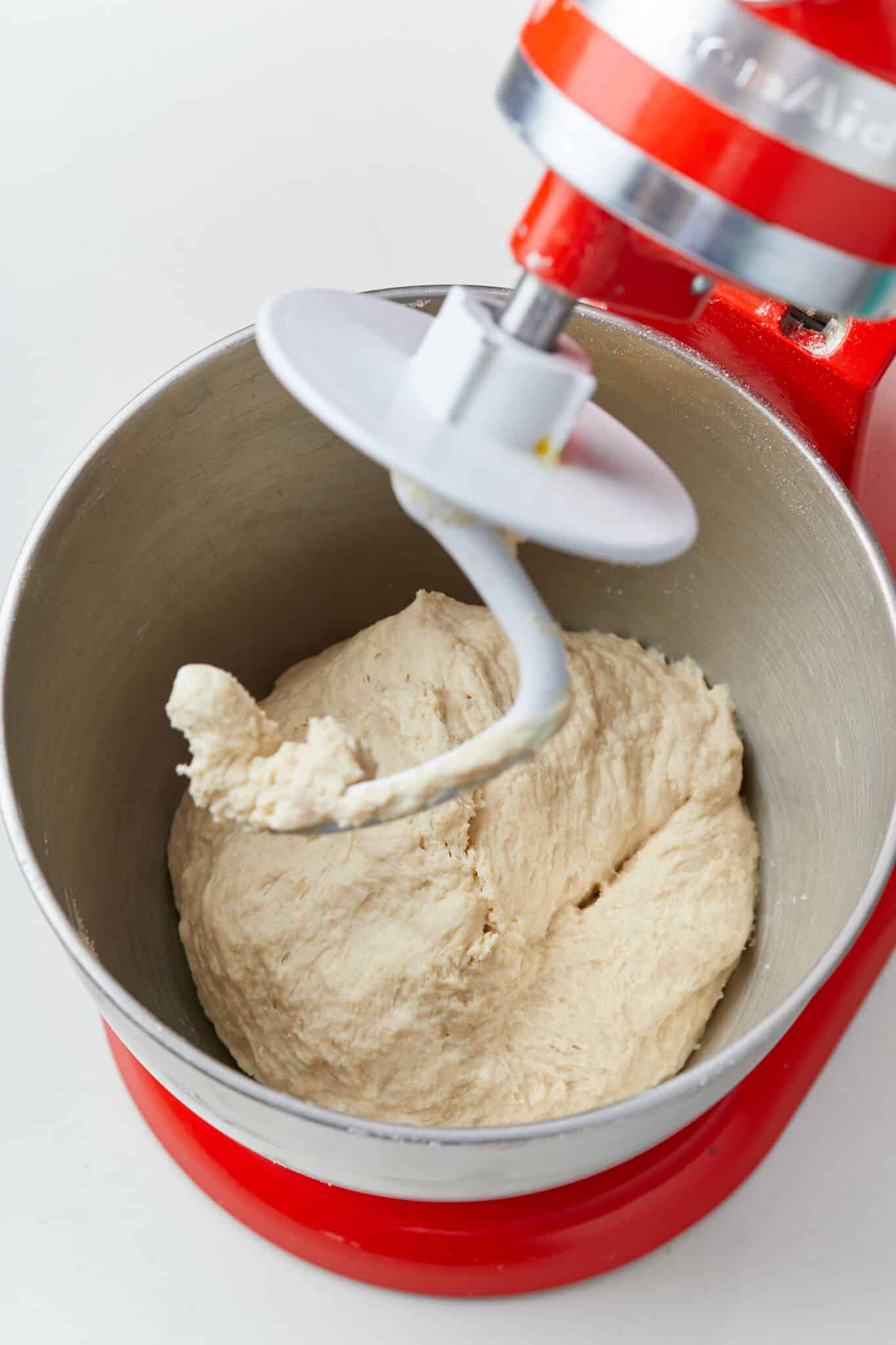
- Knead dough. Increase the speed to medium-high and knead for about 8 minutes, or until the dough is smooth, elastic, and cleans the sides of the bowl.
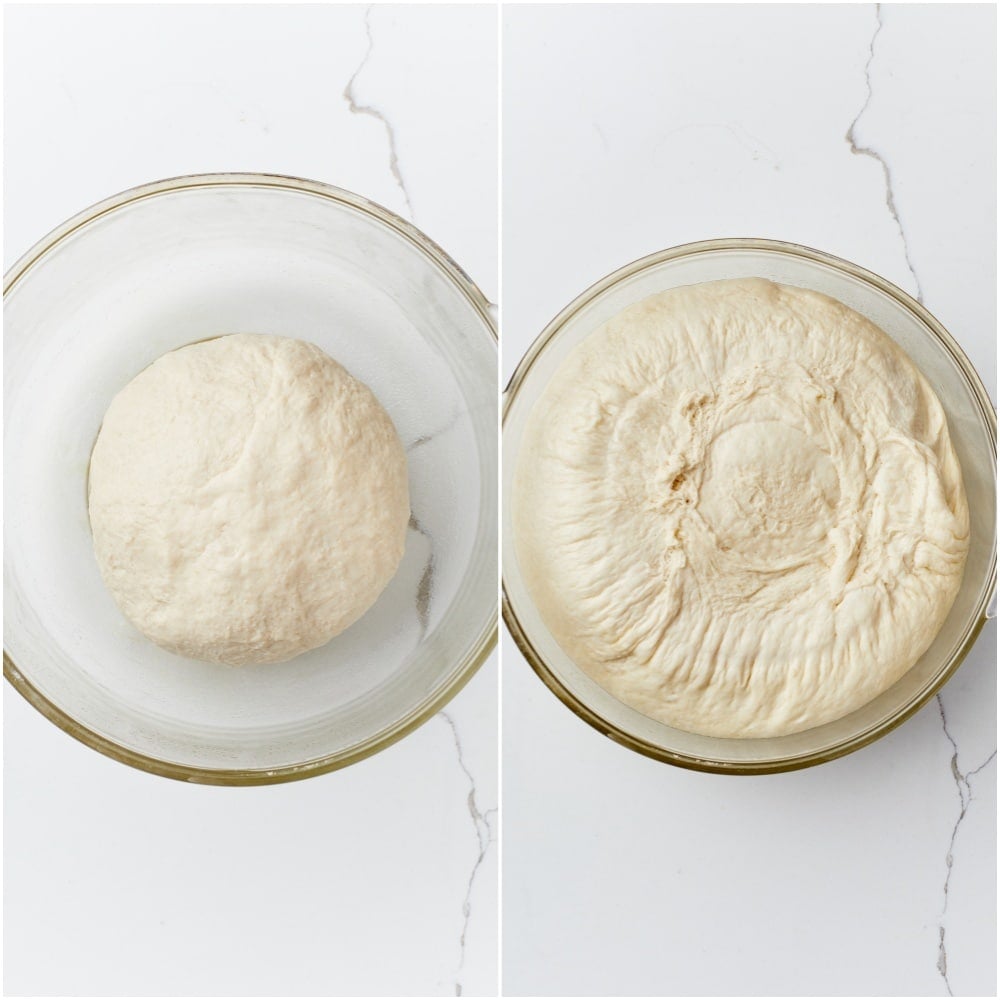
- First rise. Transfer the dough to a lightly greased bowl, cover with cling wrap and a kitchen towel, and let rise in a warm place for about 2 hours, or until doubled in size.
Shape and Proof the Batch Loaf
- Prepare pan. Grease an 8-inch (20 cm) square cake pan.
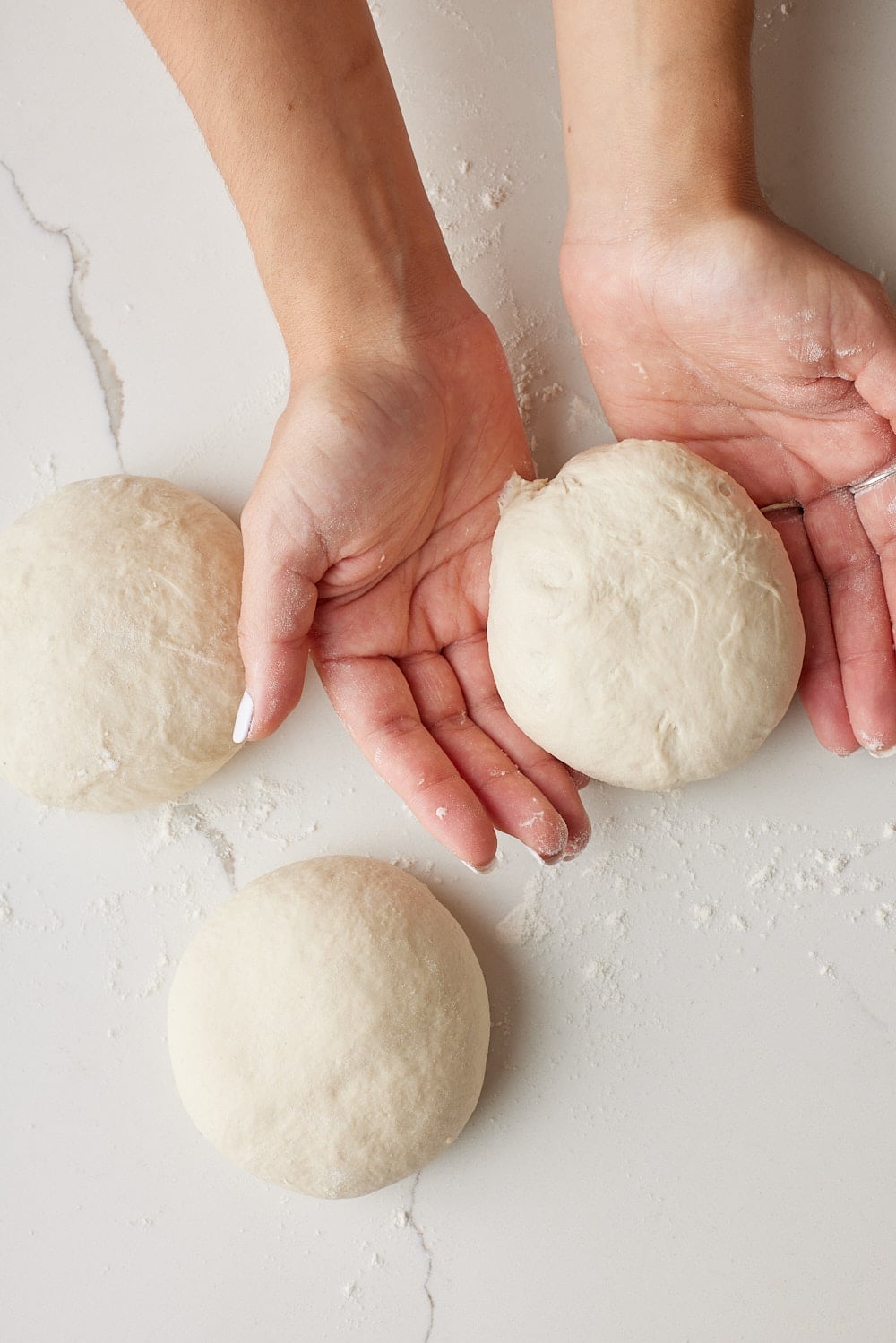
- Divide dough. Punch down the dough and divide it into 4 equal pieces (about 9½ oz / 270 g each).
- Shape dough. Shape each piece by bringing the edges into the center, turning it seam-side down, and gently rolling it against an unfloured work surface until smooth and taut.
- Place in pan. Arrange the dough balls seam-side down in the prepared pan, spacing them evenly apart.
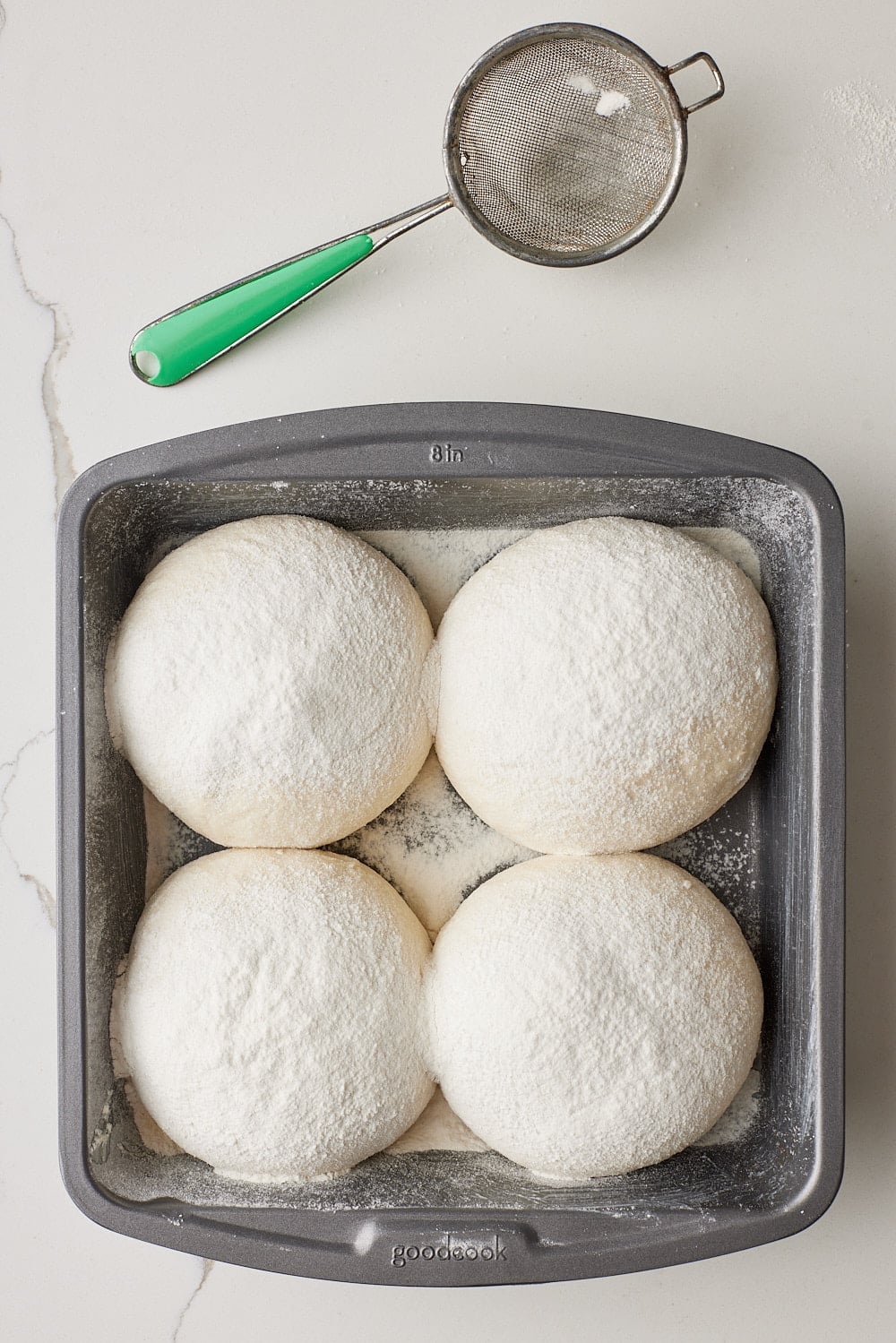
- Second rise. Dust the tops generously with flour, cover with cling wrap and a kitchen towel, and let proof about to 2 hours, or until doubled in size.
Bake the Batch Loaf
- Prepare to bake. Toward the end of the rising time, preheat the oven to 450°F (225°C).
- Bake bread. Bake for 35 to 45 minutes, or until the loaves are deeply browned and sound hollow when tapped.
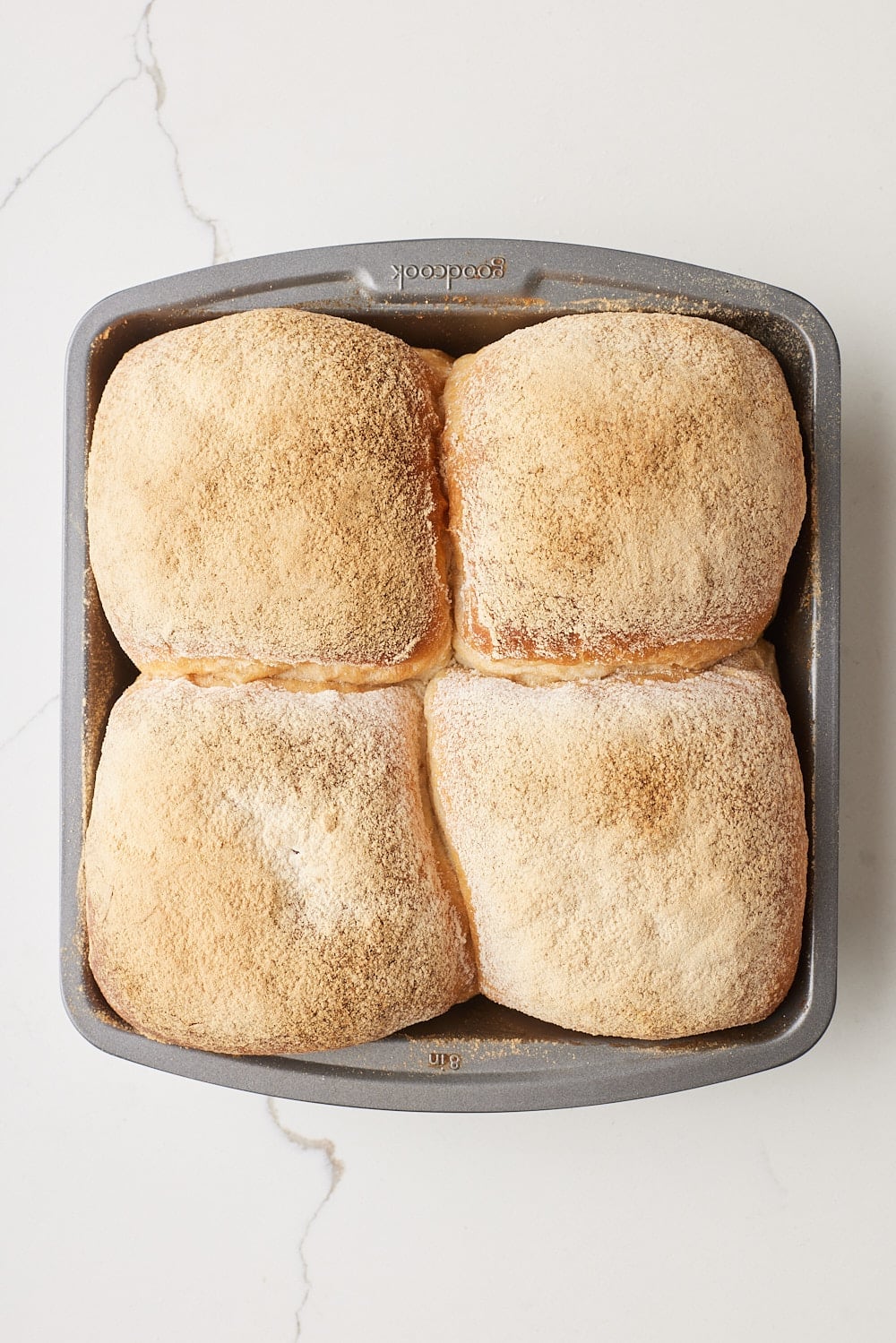
- Cool. Remove the bread from the pan immediately and let cool completely on a wire rack.
Serve
- Enjoy! Serve slices with Irish butter or for making sandwiches.
FULL (PRINTABLE) RECIPE BELOW!
Gemma’s Pro Chef Tips
- Make by hand. Don’t worry if you don’t have a stand mixer—mix the ingredients until a shaggy dough forms, then turn the dough out onto a lightly floured surface and knead for roughly 15 minutes, until smooth and elastic.
- Try the windowpane test. To check whether your dough has been kneaded enough, stretch a small piece between your fingers. If it stretches thin enough to see light through it without tearing, your dough is ready to rise.
- Take a minute to shape the dough balls carefully. Shape each piece by bringing the edges into the center, turning it seam-side down, and gently rolling it against the work surface until it’s smooth and forms a tight ball.
- The dough should rise together into one loaf. Don’t rush the second proof. This is the stage where it starts looking like proper Irish batch bread.
- The loaf is done when it is deeply browned. It should sound hollow when tapped on the bottom and have an internal temperature of about 200°F (93°C).
- Cool before slicing. Cooling the bread on a wire rack before slicing gives the crumb time to set and helps preserve the crisp, deeply browned crust.
- Simple is perfect. This bread makes exceptional toast. Spread with Irish butter and jam!
Make-Ahead and Storage Instructions
Make-ahead tips
- You can make the dough ahead of time and let it overnight:
- After the first rise, shape the dough into four balls, arrange them in the pan, cover well, and refrigerate overnight.
- The next day, let the dough come to room temperature and finish the second rise. Be sure it’s doubled in size before baking.
How to store leftovers
- This bread is best enjoyed the day it’s baked, but you can store leftover bread in a bag or container at room temperature for up to 2 days.
- For longer storage, wrap the bread well, place it in a freezer bag, and freeze for up to one month.
- Thaw at room temperature for 2 hours.
Mix-Ins and Variations
- Make rolls: Divide the dough into eight portions, shape each into a round, place on a sheet pan, let rise, and bake as directed, checking for doneness earlier than the full loaf.
- Seeded Oat Loaf: Sprinkle the batch bread with a handful of rolled oats and pumpkin and/or poppy seeds.
- Herb and Sesame: Top the batch loaf with dried herbs and sesame seeds before baking.
- Garlic Butter Bread: Bake Irish Batch Loaf as directed, and brush the warm loaf with garlic butter.
FAQs
Why is it called batch bread?
- This recipe is called batch bread because you bake four smaller loaves together into one batch.
- The dough is divided into four equal portions and placed closely together in the pan. As they rise and bake, the four loaves join together.
Can I make this batch bread gluten-free?
- I don’t recommend making this Irish Batch Bread with gluten-free flour. This is a yeast bread that relies on gluten to give the dough structure, so a straight gluten-free flour substitution won’t give you the same texture or rise.
- For a delicious alternative, try my Gluten-Free Bread Recipe.
Can I make this recipe with butter instead of lard?
- Yes, you can make this recipe with butter instead of lard.
- Replace the lard with an equal amount of softened butter.
What makes Irish Batch Bread different from sandwich bread?
- The main difference is the shape. Sandwich bread is typically baked in a loaf pan, which gives the slices a uniform shape.
- Batch bread also typically has a more rustic, substantial texture.
More Favorite Bread Recipes
- Small-Loaf Crusty Bread
- Whole Wheat Sourdough Bread
- Seeded Bread
- Homemade Sandwich Bread
- Artisanal Whole Wheat Bread (No-Knead)
Try These Recipes!



Watch The Recipe Video!
Irish Batch Loaf

Ingredients
- 4 ⅔ cups (23 ⅓ oz / 662 g) bread flour
- 2 teaspoons instant yeast
- 2 teaspoons salt
- 1 ¾ cups (14 fl oz / 420 ml) water , lukewarm
- 3 tablespoons (1 ½ oz / 42 g) lard , melted
Instructions
To Make and Proof the Irish Batch Loaf Dough
- In the bowl of a stand mixer fitted with the dough hook, combine the flour, instant yeast, and salt.
- In a measuring jug, stir water and lard together, then pour into the flour mixture and mix on low speed until a shaggy dough forms.
- Increase the speed to Medium - Medium/high and knead for about 8 minutes, or until the dough is smooth, elastic, and cleans the sides of the bowl.
- Transfer the dough to a lightly greased bowl, cover with cling wrap and a kitchen towel, and let rise in a warm place for about 2 hours, or until doubled in size.
To Shape and Proof the Irish Batch Loaf
- Grease an 8-inch (20 cm) square cake pan.
- Punch down the dough and divide it into 4 equal pieces (about 9½ oz / 270 g each).
- Shape each piece by bringing the edges into the center, turning it seam-side down, and gently rolling it against an unfloured work surface until smooth and taut.
- Arrange the dough balls seam-side down in the prepared pan, spacing them evenly apart.
- Dust the tops generously with flour, cover with cling wrap and a kitchen towel, and let proof for about 2 hours, or until doubled in size.
To Bake the Irish Batch Loaf
- Toward the end of the rising time, preheat the oven to 450°F (225°C).
- Bake for 35 to 45 minutes, or until the loaves are deeply browned and sound hollow when tapped.
- Remove the bread from the pan immediately and let cool completely on a wire rack.
To Serve and Store the Irish Batch Loaf
- Serve slices with Irish butter or for making sandwiches. Store leftovers in an airtight container at room temperature for up to 3 days.
Recipe Notes
- Make by hand. Don't worry if you don't have a stand mixer—mix the ingredients until a shaggy dough forms, then turn the dough out onto a lightly floured surface and knead for roughly 15 minutes, until smooth and elastic.
- Try the windowpane test. To check whether your dough has been kneaded enough, stretch a small piece between your fingers. If it stretches thin enough to see light through it without tearing, your dough is ready to rise.
- Take a minute to shape the dough balls carefully. Shape each piece by bringing the edges into the center, turning it seam-side down, and gently rolling it against the work surface until it's smooth and forms a tight ball.
- The dough should rise together into one loaf. Don't rush the second proof. This is the stage where it starts looking like proper Irish batch bread.
- The loaf is done when it is deeply browned. It should sound hollow when tapped on the bottom and have an internal temperature of about 200°F (93°C).
- Cool before slicing. Cooling the bread on a wire rack before slicing gives the crumb time to set and helps preserve the crisp, deeply browned crust.
- Simple is perfect. This bread makes exceptional toast. Spread with Irish butter and jam!